
Brief Summary
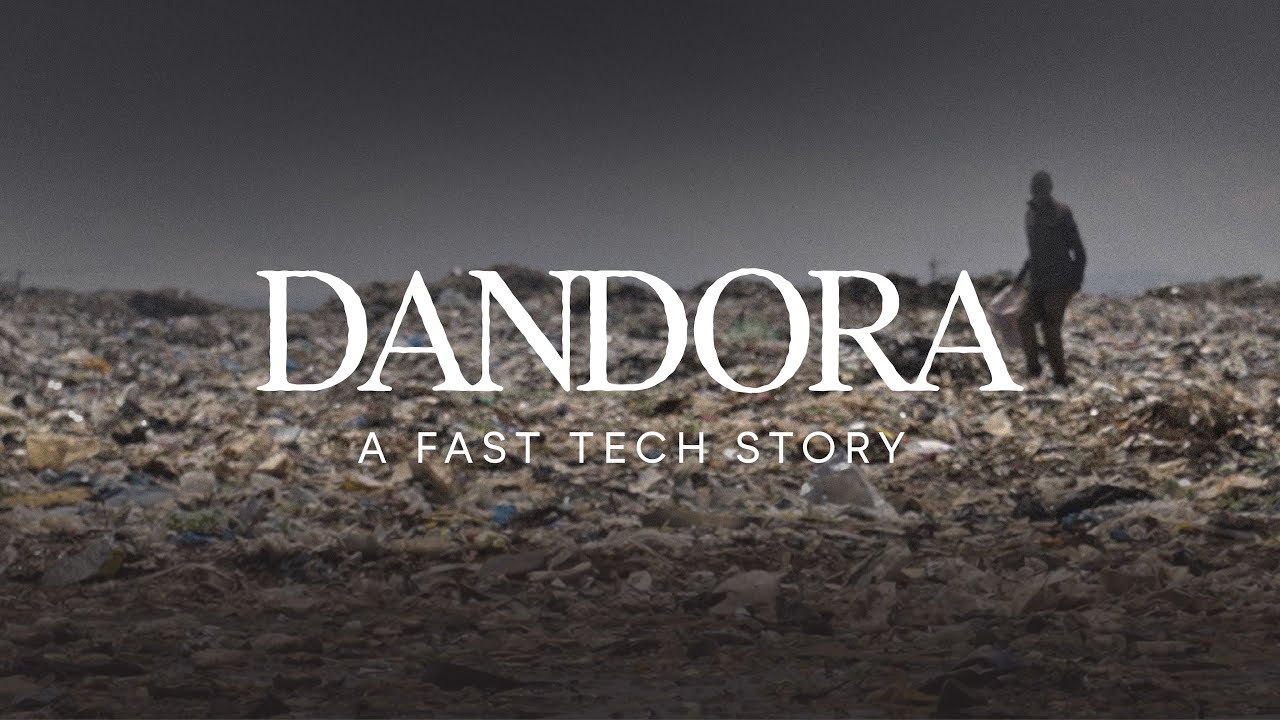
The video focuses on the environmental and health issues caused by e-waste generated from our fast tech culture. It highlights the impact of electronic waste in countries like Kenya, where much of it ends up in open-air dumps. Various chapters discuss the realities of waste picking, the dangers of toxic substances found in e-waste, and initiatives aimed at reforming the waste management system through training, repair, and recycling efforts.
- Fast tech contributes to a throwaway culture leading to increasing e-waste.
- Dandora in Kenya serves as a significant open-air dumpsite for discarded electronics.
- The video showcases individuals involved in waste picking and the risks they face.
- Solutions for e-waste management include training programs and local repair economies.
Intro — Fast tech’s throwaway problem
The introduction outlines the negative aspects of fast technology, emphasizing the cycle of consumption where people frequently buy, use, and discard electronics. This behavior is fueled by marketing tactics and planned obsolescence, which leads to the accumulation of e-waste. It explains that very little of this waste is recycled, particularly in countries like Kenya, where the majority ends up in dumpsites, contributing to environmental degradation and public health risks.
Dandora: Inside Kenya’s Open‑Air Dumpsite
Dandora, a vast open-air landfill, highlights the severity of e-waste management issues as it spans over 25 football fields and houses thousands of waste pickers. Each day, these workers sift through the waste for valuable electronics and metals, often doing so without protective gear, putting their health at risk. The chapter reveals the harsh realities of their daily efforts, including the dangers posed by toxic substances emitted during the recycling process.
Jordon meets Solomon: the daily reality of e-waste picking
Jordon meets Solomon, a seasoned waste picker in Dandora, who shares his experiences and struggles. Solomon explains his method of collecting discarded electronics and extracting valuable components, often involving dangerous practices such as burning cables to access copper. The chapter emphasizes the lack of safety and the chronic health problems faced by waste pickers due to exposure to toxic e-waste materials.
E‑waste is toxic: the hidden cost
This section discusses the toxicity of e-waste and its contribution to environmental pollution. E-waste represents less than 5% of landfill mass but accounts for over 70% of global waste toxicity, releasing harmful chemicals like lead and mercury. The chapter also addresses the severe health risks faced by populations exposed to these toxins, particularly vulnerable groups such as children and pregnant women, and the response from legislative bodies like the Basel Convention which aims to regulate hazardous waste.
Local Waste Streams, Global Problems
The chapter explores how e-waste is not just imported but also generated locally within Kenya, reflecting consumer habits and a lack of waste management infrastructure. Most electronics discarded originate from Kenyan households. This local generation contributes to the mounting e-waste crisis, underscoring a systemic failure in both corporate responsibility and local disposal practices.
Ngara Market: repair, reuse, parts economy
At Ngara Market, individuals involved in collecting and repairing electronics gather to breathe new life into discarded appliances. This informal economy thrives on salvaging parts and reassembling electronics for resale. The chapter highlights the role of repairers in the local economy, the sustainability of their practices, and the job opportunities created within this sector, showing a positive side to the e-waste challenge.
WEEE Centre: training, safety, traceability
The WEEE Centre plays a crucial role in transforming e-waste management by training workers on safe recycling practices and ensuring traceability in operations. It helps to create a safer work environment by promoting responsible sorting methods and supporting the informal economy, thereby aiming to establish a cleaner, more transparent recycling process.
From e-waste to education: Second-Life Tech
This chapter discusses how repurposed electronic devices are used to educate students in Kenya. The WEEE Centre provides training on computer skills and responsible e-waste management. Educational programs incorporate repaired and recycled devices, giving young people the tools to thrive in a digital age and fostering a sense of responsibility toward environmental sustainability.
From Waste to Circularity: Fixers & local solutions
The concept of a circular economy is emphasized, focusing on local solutions for e-waste, such as education in repair and refurbishment practices. Initiatives involving university clubs aim to teach students how to manage and reduce e-waste effectively. The chapter illustrates how rethinking waste as a resource can benefit communities and improve local job markets.
Make It Last: repair, reuse, policy change
The conclusion stresses the urgency of addressing fast tech's throwaway culture and the need for collective action toward sustainable practices. It advocates for policy changes that encourage manufacturers to produce longer-lasting and repairable products. Strategies include extending the life of devices, emphasizing repair, and ensuring responsible end-of-life options for electronics, indicating that the responsibility for waste management lies with both consumers and corporations.

