
Brief Summary
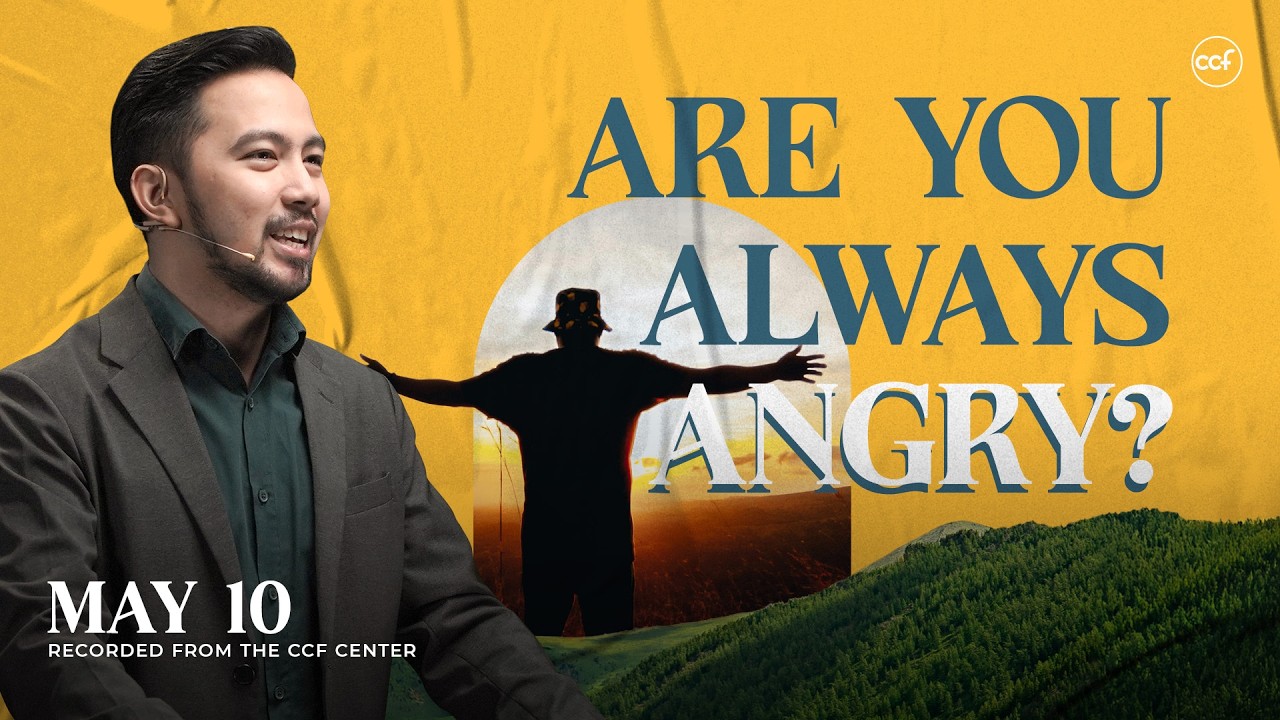
This sermon focuses on the sixth commandment, "Thou shalt not murder," exploring its meaning and implications for Christians today. It emphasizes that murder is not only a physical act but also a condition of the heart, encompassing anger, hatred, and devaluing human life. The sermon calls for respecting God as the giver of life and respecting the lives of others, including oneself, by choosing love, forgiveness, and living with purpose.
- Murder is not only a physical act but also a condition of the heart.
- Respect God as the giver of life.
- Respect the lives of others, including oneself, by choosing love, forgiveness, and living with purpose.
Opening
The sermon begins by addressing the desensitization to violence in modern society due to news, video games, and movies, which can lead to a diminished view of the preciousness of life. It introduces the sixth commandment, "Thou shalt not murder," as a reminder of the value of each life and a call to examine our own hearts and thoughts, which can make us guilty of murder even if we haven't committed the physical act. The Ten Commandments remind us about the value of true worship, which is our proper response to who God is, what he has done, and what he continues to do.
Different Words For Murder
The message explains the different Hebrew words for "murder" to provide a deeper understanding of the commandment's scope. "Ratsach" refers to the taking of human life, whether premeditated or accidental, and is considered an unlawful and sinful act against innocent human life. Other terms include "harag" (to kill or slay, often in judicial execution), "muth" (to put someone to death), "naka" (to smite or strike, sometimes as divine punishment), "shakat" (to slaughter, often in ritualistic contexts), and "tabak" (to slay or butcher, typically for animal sacrifice).
God's Act Of Judgment
The sermon addresses the apparent contradiction of a God who commands not to murder yet is depicted as killing people and wiping out nations in the Bible. It clarifies that God's actions, such as those in Sodom and Gomorrah, are acts of righteous judgment, not unjust killings, because God is the giver and rightful owner of life. God is compassionate, gracious, slow to anger, and abounding in steadfast love and truth, as demonstrated in his concern for the people of Nineveh.
1. Respect God - He is the Giver of Life
The first main point is to respect God because He is the giver of life. Recognizing God as the source of life is essential for valuing life itself. Genesis 2:7 is referenced, highlighting that humans are formed from dust, and God's breath gives them life, making them living beings. Any sin against the body, such as murder, rape, neglecting health, or physical abuse, is a sign of disrespect towards the giver of life, including suicide.
1. Respect God -He Forbids Murder
The message emphasizes that God forbids murder because humans are made in His image (Imago Dei), reflecting divine qualities like intellect, creativity, relational capacity, and free will. This concept is the theological foundation for human rights, asserting that every person has the right to live. Proverbs 6:16-19 lists "hands that shed innocent blood" as one of the things God hates. Old Testament laws prescribe the death penalty for taking an innocent life (life for life, eye for eye), to prevent the shedding of innocent blood and avoid blood guiltiness in the land.
2. Respect Life - We Can Commit Murder In Our Hearts And Affect Others
The sermon transitions to the idea that murder can be committed in the heart, affecting others. Cain's story is used to illustrate how anger led to the first murder. God warned Cain about the sin crouching at the door, but Cain allowed jealousy to evolve into envy, bitterness, anger, and ultimately, rage, leading him to kill Abel. Jesus elevated this concept in Matthew 5, stating that anyone who is angry with his brother is guilty before the court, and using derogatory terms makes one liable to judgment and hellfire.
Anger = Murder
Drawing from 1 John 3:15, the message asserts that "everyone who hates his brother is a murderer," and no murderer has eternal life abiding in him. Anger is identified as the root of murder, with anger and murder receiving equal punishment. Mark 7:21-23 explains that evil thoughts, including murders, proceed from within the heart, defiling a person. Unrighteous anger includes resentment, explosive temper, refusing reconciliation, silent hostility, wishing harm on someone, hatred, unforgiveness, cancel culture, personal vendettas, delighting in another's suffering, verbal destruction, insults, character assassination, and gossip.
Our Anger Affects A Lot Of People
The message underscores that anger, bitterness, and rage affect many people. David's sin with Bathsheba and the subsequent murder of Uriah led to bloodshed in David's family line. The Sandy Hook Elementary School shooting is cited as an example of how the suffering from murder extends beyond the immediate victims, affecting families and communities with lifelong trauma.
2. Respect Life - We Must Begin Loving And Living Life With A Purpose
To respect life, the message urges listeners to begin loving and living life with a purpose. The Apostle Paul, who once persecuted Christians, is presented as an example of someone who embraced a new mission after encountering Jesus. Paul embraced the value of life and dedicated himself to preaching the gospel, which gives people life and hope. Even facing death, Paul's focus was on glorifying Jesus, whether by life or death.
Testimony Sharer - Selle Dungo
Selle Dungo shares her personal testimony of overcoming a dark past marked by family separation, a double life, and the trauma of abortion. Despite growing up in a Christian household, she lived a double life, seeking validation from the world. The decision to have an abortion led to deep shame and insecurity, causing her to isolate herself. Eventually, she returned to church and, through a small group, realized Jesus' unconditional love and forgiveness. She surrendered her life to Jesus, who helped her break free from shame and find restoration. She now serves as a full-time campus missionary, sharing her story to testify to God's greatness.
Closing
The sermon concludes by encouraging listeners to give life to others as a response to respecting God and life. Deuteronomy 30:19-20 calls for choosing life by loving God, obeying His voice, and holding fast to Him. Listeners are urged to follow Jesus' example of forgiveness, even towards those who wrong them. Mary Johnson's story of forgiving and befriending the man who killed her son illustrates the transformative power of forgiveness. Forgiveness releases the forgiver from pain and bitterness, entrusting judgment to God.
Sunday Fast Track
The "Sunday Fast Track" segment addresses questions related to the sermon.
Q1. How do we overcome becoming easily angered?
The first question asks how to overcome becoming easily angered. The response suggests that a short fuse indicates a lack of being spirit-filled, with the human side dominating. Daily being filled with the Spirit, which includes self-control, is essential. Surrendering to God and seeking His grace, mercy, forgiveness, calmness, gentleness, and peace is recommended.
Q2. How do we heal relationships damaged by our anger?
The second question addresses how to heal relationships damaged by toxic, angry, and harsh words. The advice is to humble oneself, apologize to God and the person hurt, and make amends. Reconciliation is difficult but possible with God's help.
Q3. Will someone who takes his own life go to heaven?
The final question concerns whether someone who commits suicide, especially a professing Christian, will go to heaven. The response emphasizes sensitivity and avoids judgment, stating that we cannot determine where a person goes. Instead, relatives are encouraged to surrender their hearts to God for healing and find purpose in their grief. Others are encouraged to offer comfort and assurance of love and to point to the hope that only Jesus can give.

