
Brief Summary
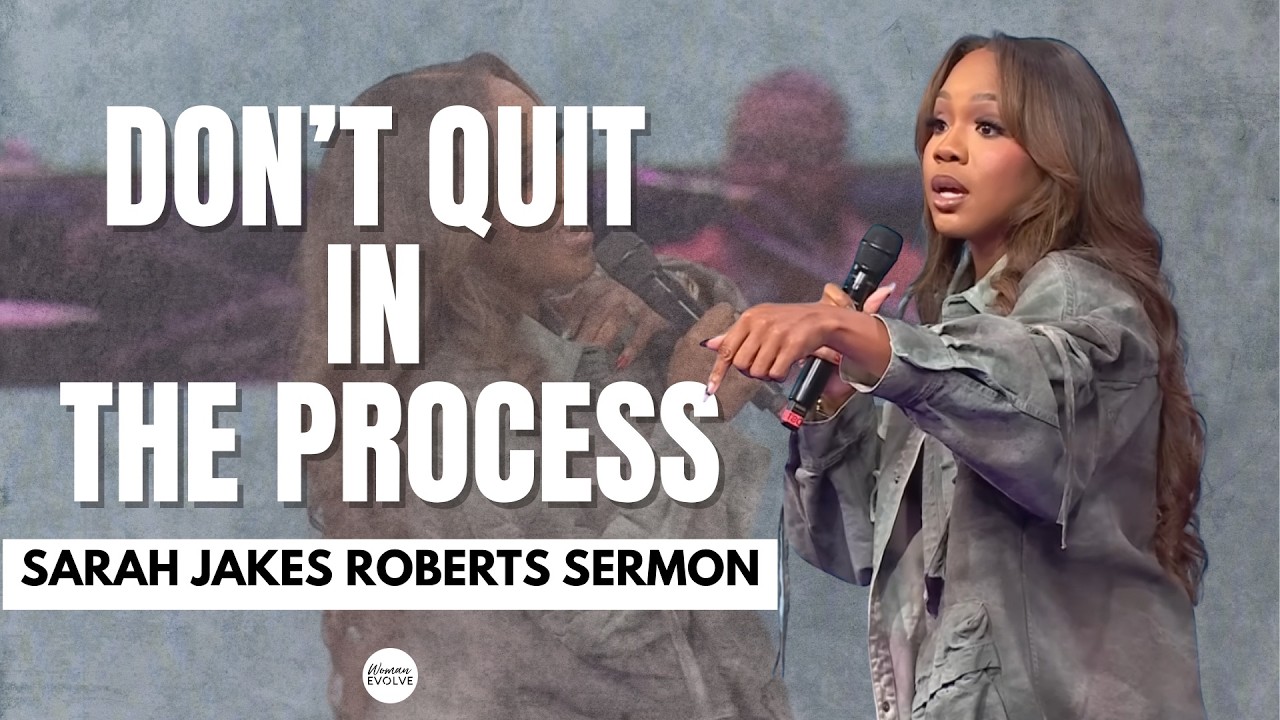
This sermon emphasizes the importance of understanding and embracing the process that leads to a promise, rather than solely focusing on the promise itself. It addresses how a generation is questioning the traditional path to adulthood, recognizing the costs associated with achieving certain goals. The sermon encourages those in a season of promise to share their process with others, highlighting that God is present and active within the process, not just at the destination. It also touches on how surrendering to God can stop negative forces and how focusing on God during the process is essential for personal growth and ultimately stepping into the promise.
- The process is as important as the promise.
- God is present in the process, offering guidance and support.
- Sharing the process with others provides truth and encouragement.
- Surrendering to God can halt negative forces.
- The process shapes individuals into who they need to be to fulfill the promise.
Emerging Adulthood and Questioning the Process
The speaker observes that people are increasingly scrutinizing the processes required to achieve desired outcomes, such as education and marriage. This is particularly evident in the demographic of emerging adults (18-25 years old), who are delaying traditional milestones due to a greater awareness of the challenges and sacrifices involved. They are not just accepting the idea of longing for the promise but are actively questioning the process required to get there.
The Reality of the Process
The speaker emphasizes that achieving a promise always involves a process, often filled with challenges and losses. Those who have attained a promise understand that it doesn't always feel like a victory due to the sacrifices made along the way. Sharing the reality of the process is crucial; celebrating the promise without acknowledging the struggles deprives others of valuable truth and understanding.
God in the Process
God is not only the God of the promise but also the God of the process, present and active during difficult times. He provides guidance, comfort, and solutions when things seem impossible. Instead of solely praising God for the promise, the speaker encourages recognizing and appreciating His presence and support throughout the journey.
The God of the Process
The speaker encourages listeners to recognize that God meets them in the midst of their process, offering support and guidance that no institution can provide. Using the examples of the Israelites and David, the speaker illustrates that God provides for and equips individuals during their trials, ensuring they are not alone in their journey toward the promise. The enemy tries to make people believe that they will lose in the process, but God will step right in the middle of the process.
Sharing the Process
The speaker shares a personal anecdote about returning to school and making the dean's list, noting that she didn't announce her achievement because she had been transparent about the hard work and challenges she faced throughout the process. The speaker emphasizes that the enemy often attacks during the process because while the promise depends on God, the process depends on the individual. Sharing the process is important because it lets others know that struggles and setbacks are normal.
Intergenerational Church and the Importance of Sharing
The speaker advocates for an intergenerational church where people share their experiences, both successes and struggles, to provide guidance and encouragement to one another. Understanding the process helps people realize that their difficulties are normal and that they are not alone. Sharing the process allows others to see the faithfulness of God and to trust that He will be with them as well.
Connecting Process to Promise in Scripture
When reading scripture, it's important to understand that the promise is connected to a process. The speaker uses Isaiah 54:17 ("No weapon formed against you will prosper") to illustrate this point. The promise of protection is conditional; it is specifically for those who are servants of the Lord. Sometimes, weapons may prosper to bring individuals to a place of surrender and service to God.
Surrender and Serving God
One can stop negative forces by surrendering to God and ceasing to serve other things like fear, doubt, or insecurities. Aligning oneself with God halts the progress of weapons formed against them. The speaker emphasizes that turning away from wicked ways and seeking God allows Him to stop every weapon and every negative force.
Weapons as Signs and Distractions
The speaker explains that weapons being formed can serve as signs, indicating a need to realign with God. Alternatively, if one is already serving God and following His will, focusing on the weapons can be a distraction. In such cases, God promises to take care of the weapons and prepare a table in the presence of enemies, emphasizing the importance of staying the course and trusting in God's protection.
Surviving the Process
The speaker emphasizes that the key is to survive the process by staying connected to God, not just to the promise. This may go against traditional teachings that focus solely on holding onto God's promises. The speaker suggests that sometimes, when holding onto the promise is difficult, holding onto God is enough. Inviting God into the process is essential, even when one no longer cares about the promise itself but simply needs God's presence and support.
The Purpose of the Process
The process does not produce the promise; the promise is already set in stone. Instead, the process produces the version of oneself who is capable of stepping into the promise. The process shapes and prepares individuals to receive and handle what God has already destined for them.

