
Brief Summary
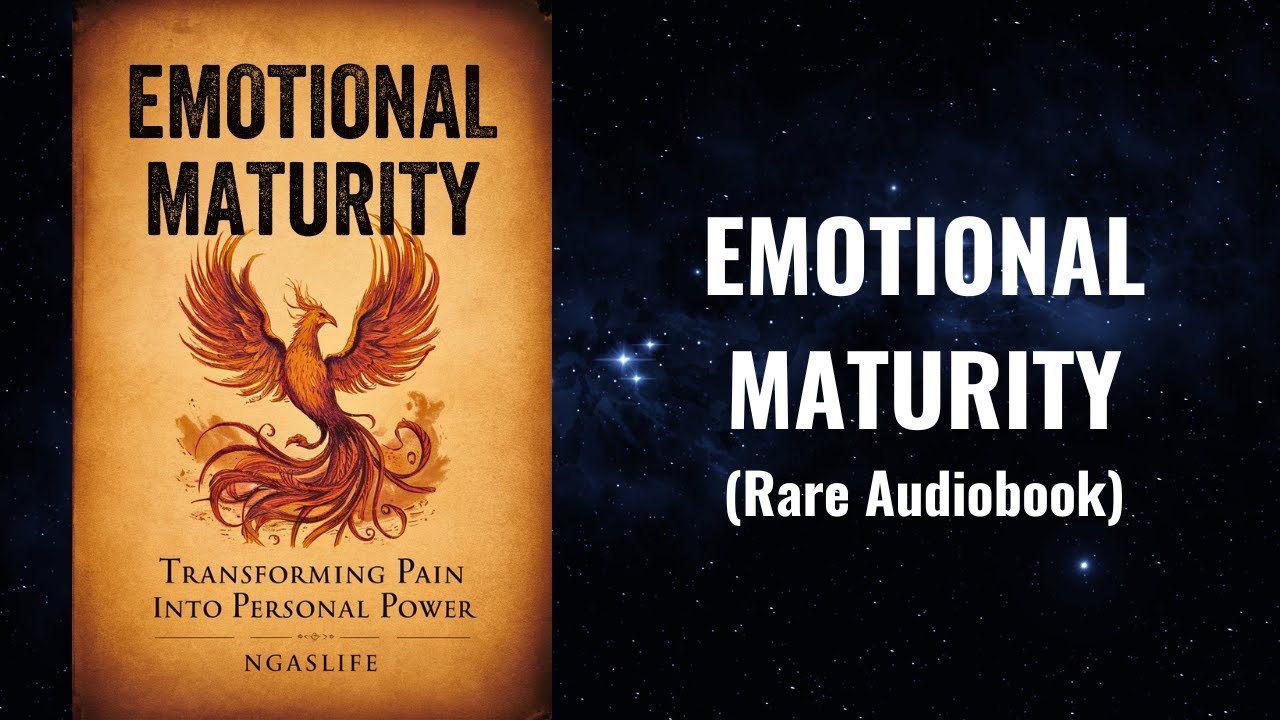
This video summarizes the key lessons from "Emotional Maturity" by Nasli, providing a guide to managing emotions, navigating social interactions, and fostering personal growth. It emphasizes the importance of peaceful disagreement, self-awareness, positive thinking, and forgiveness. The video highlights how these principles can transform your emotional world, improve relationships, and lead to a more harmonious and fulfilling life.
- Peaceful disagreement and acceptance of differences
- Recognizing and regulating emotions
- Cultivating a positive internal dialogue
- Practicing forgiveness and empathy
Peacefully Disagreeing and Accepting Differences
Emotional maturity involves respectfully navigating disagreements and embracing diversity. It's about maintaining your own beliefs while respecting others, approaching differences with curiosity rather than hostility. Emotionally mature individuals recognize their perspective is just one of many and foster inclusive environments. Expressing differing opinions calmly, actively listening, and focusing on understanding promotes unity. Developing self-awareness to identify biases and manage emotions is crucial for responding thoughtfully in difficult situations, leading to more fulfilling relationships and promoting creativity.
Untrained Humans Are as Emotional as Animals
Humans without emotional training exhibit emotional characteristics similar to animals, highlighting the importance of emotional development. Basic emotions like fear, anger, joy, and sadness are crucial for survival and can appear impulsive and instinctive in untrained individuals. The limbic system, responsible for processing emotions, can override logical processes in untrained people. However, humans can learn self-reflection and practice to identify, comprehend, and regulate emotions effectively. Training in emotional intelligence involves pausing before reacting, reflecting on outcomes, and showing empathy, distinguishing mature humans from animals and untrained people.
Inner Speech Affects People's Opinions of You
Internal dialogue significantly impacts how others perceive you, shaping thoughts, feelings, and actions. Positive inner speech enhances confidence and communication, leading to positive impressions. Conversely, negative inner speech weakens self-esteem and hinders social interactions, leading to less favorable opinions. Approaching internal dialogue with curiosity fosters engaging conversations and empathy, making others perceive you as intelligent and enjoyable. Effective use of internal dialogue enhances emotional regulation, managing stress and conflicts gracefully. Cultivating positive inner speech lays the groundwork for presenting yourself positively and building strong relationships.
Harmonious Interactions Require Good Will
Goodwill is essential for harmonious interactions, creating a positive environment for engagement. It involves a sincere desire for positive outcomes, openness, respect, and kindness. A positive attitude fosters trust and open communication, preventing small disagreements from escalating. Goodwill encourages understanding and respect for different viewpoints, enhancing problem-solving abilities. Interactions filled with positivity are more durable, reminding us of shared desires for positive outcomes. Developing positive relationships requires examining biases, handling emotional responses, and opting for a receptive approach.
You Control How Others Affect You Emotionally
You have control over how others affect you emotionally, managing responses in different situations. While you can't manipulate others' actions, you can choose your responses. Emotions are influenced by interpretation rather than direct causation. Mindfulness techniques, cognitive reframing, and developing a growth mindset can help manage emotional states. Managing the impact of others involves responding thoughtfully instead of impulsively, establishing boundaries, and safeguarding emotional well-being. Mastering emotional reactions cultivates positive relationships, resilience, and mental well-being.
Positivity and Blessings Counter Negativity
A positive mindset and gratitude for blessings counteract negativity, bringing balance and optimism. Shifting focus to positive aspects and expressing gratitude redirects attention from negative thoughts. A positive mindset changes the way we perceive challenges, turning them into opportunities for personal development. Practicing gratitude enhances mental well-being, emphasizing what we possess rather than what we lack. The synergy of positivity and blessings results in a more positive outlook, increased ability to handle emotions, and greater life satisfaction. Positivity also improves physical well-being, relationships, and social settings.
Love, Understanding and Respect for Others Divinity Are Essential for Harmony
Love, understanding, and respect for others are crucial for fostering harmony in relationships and society. Love demonstrates empathy and concern for everyone's welfare, acknowledging common humanity. Understanding requires genuinely trying to see others' perspectives, fostering connection despite differences. Respecting Divinity recognizes the inherent spiritual worth of every individual. These elements form a basis for authentic harmony, marked by respect, communication, and shared understanding. This motivates active listening, refraining from quick judgments, and treating others with kindness.
Mercy for the Mentally or Physically Disabled
Caring for people with mental or physical disabilities is essential for a compassionate society. It involves empathizing, supporting, and including people facing challenges, valuing their worth and dignity. This centers around treating people with respect, kindness, and understanding, recognizing their challenges without labeling them. Mercy involves considering their skills, goals, and possibilities instead of fixating on shortcomings. This is evident in accessible environments, supporting policies, patience, flexibility, and a willingness to listen and learn.
Understanding Brings Forgiveness
Clear understanding facilitates forgiveness, establishing a link between empathy and emotional healing. Understanding motivations, circumstances, and perspectives of others leads to compassion. Uncovering hidden layers of complexity and personal challenges provides context for harmful actions, making forgiveness easier. Seeing the humanity in those who have wronged us reminds us that anyone can make mistakes. Gaining understanding often requires introspection, providing insights into our own reactions and patterns. Forgiveness rooted in comprehension is more authentic and enduring, freeing ourselves from resentment.
Enjoy Others Triumphs to Attract Luck
Appreciating the successes of others invites good fortune, merging positive psychology and reciprocal karma. Celebrating achievements generates positive energy, attracting favorable circumstances. This encourages a perspective of abundance instead of scarcity, viewing the world as a realm of possibilities. Cheering on others fosters stronger social bonds, attracting support and collaborations. This practice positively affects emotional well-being, improving mood and outlook. Looking at others' successes inspires motivation and confidence, enhancing the likelihood of attaining personal victories.
Don't Give in to Others Emotions Stick to Yours
Prioritize personal well-being and healthy relationships by maintaining emotional independence while being considerate of others' feelings. Be mindful of the impact of others' emotions, avoiding neglect of your own. Acknowledge your emotions without insensitivity, understanding and respecting others while staying true to yourself. This balance enables empathy without entanglement. Understanding your emotions and influences is crucial, using mindfulness and self-reflection. Emotional independence allows sincere support, offering a calm presence. Consistently expressing genuine emotions fosters deeper connections.
Follow Peaceful Happy Values
Adopting peaceful and happy values enhances lives and promotes a harmonious society. Actions and decisions should align with principles that foster peace, happiness, and well-being. Peaceful values encompass nonviolence, tolerance, respect for diversity, and resolving conflicts through dialogue. Happy values include gratitude, kindness, forgiveness, and finding joy in the little things. This demands mindful action, prioritizing long-term peace over short-term benefits. Consistent practice brings a positive impact, resulting in rewarding relationships, decreased stress, and a heightened sense of purpose.
Spiritually Benefiting You Helps All
Improving oneself spiritually has a positive impact on others, rooted in interconnectedness and personal growth creating a ripple effect. Engaging in practices that enhance spiritual well-being has far-reaching effects, positively impacting relationships and communities. Developing qualities like compassion, mindfulness, inner peace, and a sense of purpose is important. This enhances the ability to engage with others positively, improving relationships and support. A stronger spiritual foundation equips us to manage stress and be a source of stability for others.
Love Means Wanting for Others What You Want for Yourself
Love entails desiring for others what you desire for yourself, capturing compassion and empathy. This aligns with the golden rule, treating others with the same consideration and kindness we want for ourselves. This extends beyond romantic affection, including care for all people. It encourages broadening our perspective and recognizing the interconnectedness of our well-being with that of others. This can be seen in supporting others' goals, supporting equal rights, and treating others with respect.
Aligning with Harmony Receives Favor from God Life
Being in harmony with the world is favored by a higher power, showing how actions and attitudes are interconnected. Living in a manner that encourages balance, peace, and positive relationships makes us receptive to positive energy. This involves finding equilibrium in personal lives, fostering healthy connections, and behaving in a way that benefits the collective. Embracing these principles allows life to flow more smoothly, seen as a blessing from a higher power. Aligning with universal principles attracts Divine favor or positive karma.
Disruptive Thinking Causes Negative Experiences
Disruptive thinking causes negative experiences, rather than Divine punishment, highlighting personal responsibility. Recognizing the influence of thoughts on shaping reality encourages shifting focus away from external retribution. Disruptive thinking patterns, like negativity and limiting beliefs, affect how we see and react to things. These patterns can lead to negative outcomes due to cognitive biases and behaviors. Disruptive thinking impacts physical and mental well-being, exacerbating stress and anxiety. Altering disruptive thought patterns can positively impact experiences and well-being.
Life Heals and Restores Without Grudges
Life has the ability to heal and restore without harboring resentment, demonstrating unconditional love. This perspective highlights a kind universe that provides chances for healing, regardless of past actions. Healing and restorative processes are natural and always available, without dependence on worthiness. This brings comfort and empowerment, suggesting a chance for a new beginning regardless of past errors. It promotes releasing guilt and shifting focus towards current actions. This enables progress from traumas without perpetual judgment, including emotional freedom and increased resilience.
False Beliefs and Negative Thoughts Cause Human Suffering
Incorrect beliefs and pessimistic thoughts are major contributors to human suffering, influencing experiences and emotions. Mental processes have a significant impact on overall well-being. Clinging to incorrect beliefs or engaging in negative thinking patterns skews our perspective. These misconceptions arise from childhood experiences or misinterpretations of past events. Beliefs such as "I'm not good enough" can affect behavior and feelings, leading to anxiety and self-sabotage. False beliefs and negative thoughts influence relationships, career choices, and overall life satisfaction.
Others Criticism Can Help You Improve
When open to criticism, it can be a valuable tool for personal growth. External feedback offers insights that we might overlook due to biases. Others offer a different perspective on actions, helping identify areas for improvement. There is often something to be learned from criticism, encouraging us to explore alternative approaches. Constructive criticism can be helpful in professional environments, improving skills. The way we receive and process criticism is crucial for reaping its benefits. Approaching criticism with emotional maturity involves separating self-worth from the aspect being critiqued.
Taking Responsibility for One's Thoughts and Experiences
Assuming ownership of one's thoughts and experiences is a potent method for personal development. While we may not control external events, we control how we react to them. Recognizing our power to shape thoughts and experiences shifts us from feeling like victims to taking control. This helps understand that perceptions and attitudes impact life experiences. This approach focuses on cultivating self-awareness and emotional intelligence. We need to analyze thought patterns, question limiting beliefs, and select constructive ways of thinking.
A Benevolent Universe That Responds to Our Thinking Rather Than Punishing
A friendly universe responds to our thoughts instead of punishing us, offering a positive perspective. The universe is accommodating and receptive to our thoughts and beliefs. Our thoughts have a significant impact on shaping experiences. Challenges are seen as chances for growth or reflections of our mental state. By embracing a responsive Universe, we can enhance lives by fostering positive thoughts that attract favorable circumstances. Our mindset plays a crucial role in how we react to all experiences.
Self-Reflection and Positivity Over Blame and Guilt
Embracing self-reflection and maintaining a positive mindset are key to fostering personal growth. Self-reflection requires honestly examining our thoughts and actions. It's about grasping motivations and pinpointing areas for improvement. Self-reflection promotes an open mindset, unlike blame which triggers defensiveness. Opting for a positive mindset requires recognizing mistakes and concentrating on improving. This approach is more effective than dwelling in guilt. This creates a mental atmosphere that promotes personal growth and resilience.
Mastering Emotions Prevents Criticism and Pain
Managing thoughts and feelings can avoid criticism and minimize emotional distress. A solid understanding of oneself and emotional intelligence enables handling obstacles with composure. Being self-aware allows expressing viewpoints clearly, improving the ability to handle external criticism. Managing feelings is key to emotional Mastery, approaching situations with consideration instead of impulse. This control allows staying calm when faced with criticism, minimizing emotional distress.
Accepting Advice Reduces Self-Pity and Resentment
Receiving advice can be a valuable tool for personal development, promoting a mindset of being open and humble. This decreases feelings of self-pity and resentment. Listening and considering advice recognizes that we don't have all the answers. Accepting advice helps broaden our perspective, uncovering solutions that may have been missed. As we acquire fresh understandings, tendencies towards self-pity fade away. Being open to advice shows a desire for personal development, empowering us.
Nothing's Nice or Bad Our Thoughts Make It
This emphasizes the subjective nature of our perceptions, suggesting that nothing is inherently good or bad. Our thoughts determine its nature. Events are inherently neutral, and our thoughts play a crucial role in determining the values we assign to experiences. This encourages reflecting on instinctive responses, allowing us to transform experiences. It promotes a mindset that is flexible, allowing us to choose how we interpret and respond to situations.
Natural Design Desires Are Neutral Our Response Is Key
Innate cravings may encompass necessities as well as intricate yearnings. Desires are inherent in our biology, and our responses have a significant impact on their implications. Our approach to desires encompasses being mindful, assessing, making choices, and practicing moderation. This promotes dealing with impulses thoughtfully. Instead of categorizing desires as positive or negative, we can prioritize managing them in ways that promote well-being.
Resentment and Animosity Cause Many Illnesses
When negative feelings like resentment are held onto, they can impact mental and physical well-being. These emotions can lead to chronic stress, impacting overall well-being. When we harbor negative feelings, our bodies stay in a fight or flight mode. Prolonged stress can result in increased levels of cortisol, which can have negative effects on bodily systems. Our immune system can become weakened, making us prone to infections.
Giving Hurtful People Love Peace and Blessings Is Forgiveness
Offering love, peace, and blessings to hurtful people can be a way to heal and grow personally. This encourages a positive change in perspective towards those who have caused harm. When we offer love to those who have hurt us, we experience emotional freedom. This form of forgiveness does not justify harmful actions. By choosing to offer love instead of holding on to hurt, we can release ourselves from resentment.
True Forgiveness Occurs When Thinking of the Person No Longer Hurts
Forgiveness is a form of emotional healing. It involves letting go of pain associated with the person who caused harm. Once we reach this point, it indicates that we have dealt with the negative emotions. The memories may still be present, but they no longer hold the same emotional weight. This reflects an alteration in our emotional reaction to the previous pain.
Continued Forgiveness Is Like 70 * 7
Ongoing forgiveness demonstrates the significance of genuine forgiveness as an endless journey. This metaphor highlights the idea that forgiveness is an ongoing process that goes beyond set boundaries. It represents a boundless readiness to forgive, indicating that our ability to forgive Should Have No Boundaries. Practicing ongoing forgiveness necessitates a dedication to attaining emotional freedom.
Inner Peace Forgiveness and Good Thinking for Emotional and Spiritual Health
Having a sense of inner peace, being able to forgive, and cultivating positive thinking are essential for emotional well-being. The interconnected elements in this system work to establish a foundation for personal well-being. Inner peace refers to a state of Tranquility in the Mind and Spirit. Developing a sense of inner peace enables us to handle the difficulties that come our way.
Problems Contain Solutions Faith and Confidence Provide Them
By recognizing that problems hold their own Solutions, our perspective shifts from seeing challenges as barriers to seeing them as chances for personal development. This prompts us to delve further into the problem. It encourages a comprehensive approach to problem solving. Faith pertains to having a strong conviction in one's ability to overcome challenges. Confidence gives us the self assurance to take action on potential Solutions.
Final Lesson Emotional Maturity
Emotional maturity is something that we continuously work on through self-reflection and growth. By embracing principles that promote peaceful disagreement, forgiveness, positive thinking, and inner peace, we can equip ourselves to navigate life's complexities. Every problem has a solution Within Reach with belief and Assurance. Every individual's path to emotional maturity is distinct, offering chances for personal development.

