
Brief Summary
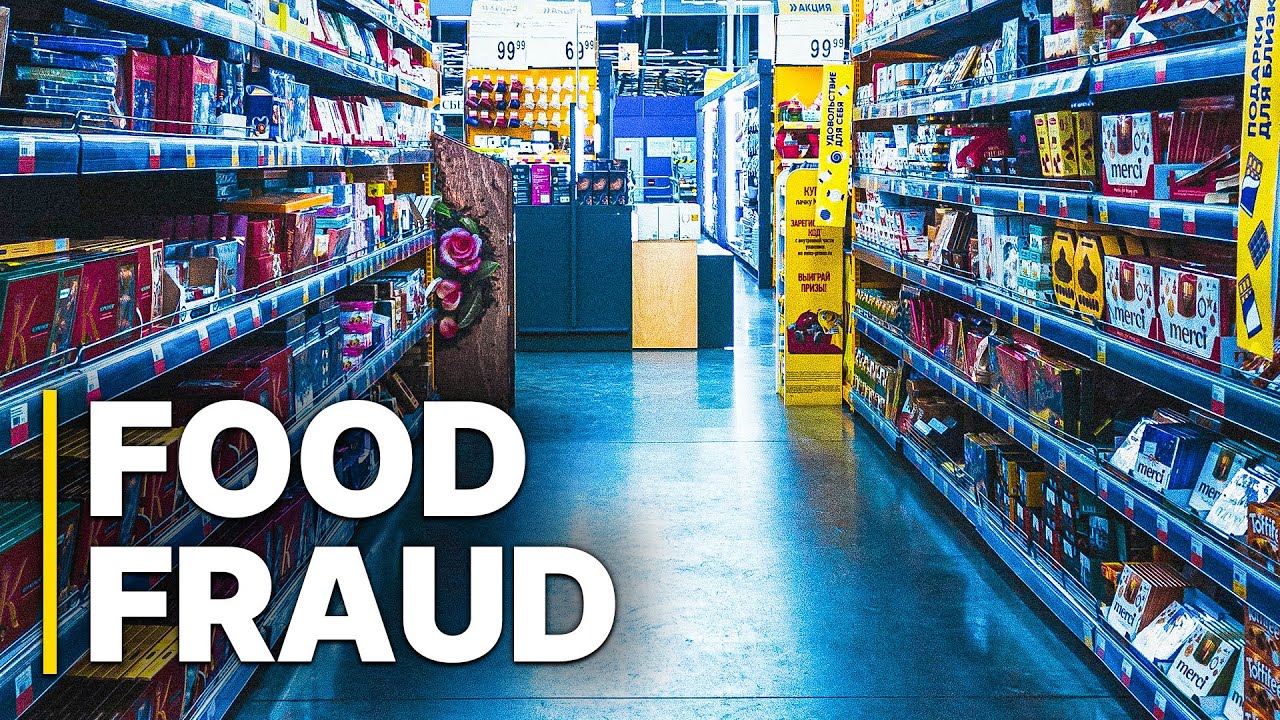
This video investigates the pervasive issue of food fraud, revealing how counterfeit products infiltrate our food supply, from horse meat disguised as beef to olive oil adulterated with cheaper alternatives and tuna treated with nitrates. It highlights the economic incentives driving this fraud, the complex networks involved, and the challenges in combating it due to globalization, weak regulations, and the involvement of organized crime. The video underscores the need for greater transparency and accountability in the food industry to protect consumers from health risks and economic exploitation.
- Food fraud is a widespread issue affecting various products.
- Economic incentives and weak regulations drive food fraud.
- Combating food fraud is challenging due to globalization and complex networks.
Introduction to Food Fraud
The video introduces the concept of food fraud, emphasizing its prevalence and the vast sums of money involved. It sets the stage for an investigation into the hidden practices within the food industry, where counterfeit products ranging from basic to expensive items are common. The introduction highlights the difficulty in detecting these fraudulent activities, which occur quietly across borders and involve various actors, including criminals and even Mafia leaders.
The Horse Meat Scandal
In 2012, authorities in Ireland discovered horse meat in beef products, triggering a global scandal. Initial findings of horse DNA in burgers led to broader investigations, revealing widespread ingredient replacement in ready-to-eat meals across Europe. The investigation traced the source of the horse meat to a Dutch meat trader, Yan Fen, who had a history of similar offenses. Fen's network involved importing horse meat from Canada and Romania, relabeling it as beef, and distributing it through wholesalers to manufacturers of ready-made meals.
European Response and Regulations
The horse meat scandal prompted European authorities to create the food fraud network to detect and address counterfeit food products. However, the effectiveness of these measures is challenged by cases like the 2019 scandal in France, where beef intended for charities was found to be substandard and potentially replaced with byproducts. Investigations into Polish beef production revealed unsanitary practices and traceability issues, highlighting the difficulties in ensuring compliance across all European states.
Food Fraud in Italy: Olive Oil
Italy is at the forefront of fighting food fraud, yet it is overwhelmed by the issue, particularly with extra virgin olive oil. Counterfeiters often use names of real companies to market fake products. While Italian authorities can demand online platforms remove fraudulent ads, the industry faces challenges such as global warming impacting national production and the influx of imported oils. These imported oils are sometimes mixed with national production and sold as Italian extra virgin olive oil, which is legal if it meets the criteria for extra virgin olive oil.
Operation Yellow Gold: Fake Olive Oil Network
Investigators uncovered a large-scale operation where traffickers were creating fake olive oil by transforming rapeseed oil in clandestine workshops. This fake oil was then sold to restaurants in Italy, Switzerland, and Germany, including some renowned establishments. The fraudsters profited millions of euros, highlighting the lucrative nature of food fraud and the challenges in deterring such activities due to lenient criminal sanctions.
Mafia Involvement and Globalized Food Industry
Italian mafias have become involved in food trafficking, with anti-mafia brigades discovering food counterfeits alongside weapons and drugs. The mafia has infiltrated wholesale markets, supermarket chains, and large European companies, extending their influence throughout the food industry. The globalized food industry, with increasing amounts of food sourced from other continents at competitive prices, creates opportunities for traffickers.
Tuna Fraud: Chemical Alteration
Tuna, a popular and healthy food, is subject to international trafficking and counterfeiting. Some manufacturers were found to be using illegal practices such as gorging fish with water to increase their weight. More seriously, some competitors were secretly filmed using nitrates to turn brown tuna loins red, making them appear fresh. This recolored tuna can cause intoxication and allergic reactions.
Europol Intervention and Ongoing Concerns
Europol intervened in 2018, shutting down a major tuna trafficking operation and arresting numerous criminals across Europe. Despite these efforts, tuna spiked with chemicals continues to be seized regularly. European officials are experiencing an increasing number of alerts on potential frauds affecting all food products, highlighting the ongoing challenge of combating food fraud in a globalized market.
Responsibilities and Self-Checks in the Food Industry
Importers, traders, processors, and wholesalers are legally responsible for ensuring the authenticity of the food we consume. They conduct thousands of self-checks each year, but the results are often kept private. Only frauds that pose a danger to health must be disclosed to the authorities, while others depend on the goodwill of the manufacturers. Large distribution chains are rarely prosecuted in cases of food fraud, contributing to a sense of impunity.
Conclusion: The Impact of Food Fraud
The investigation concludes that food fraud is a widespread issue that affects consumers' trust in the food they eat. The extent of the fraud is largely unknown, but it raises concerns about the safety and authenticity of products in a globalized food system. Criminals and professional fraudsters are exploiting the food industry, making consumers increasingly worried about what is really on their plates.

