
Brief Summary
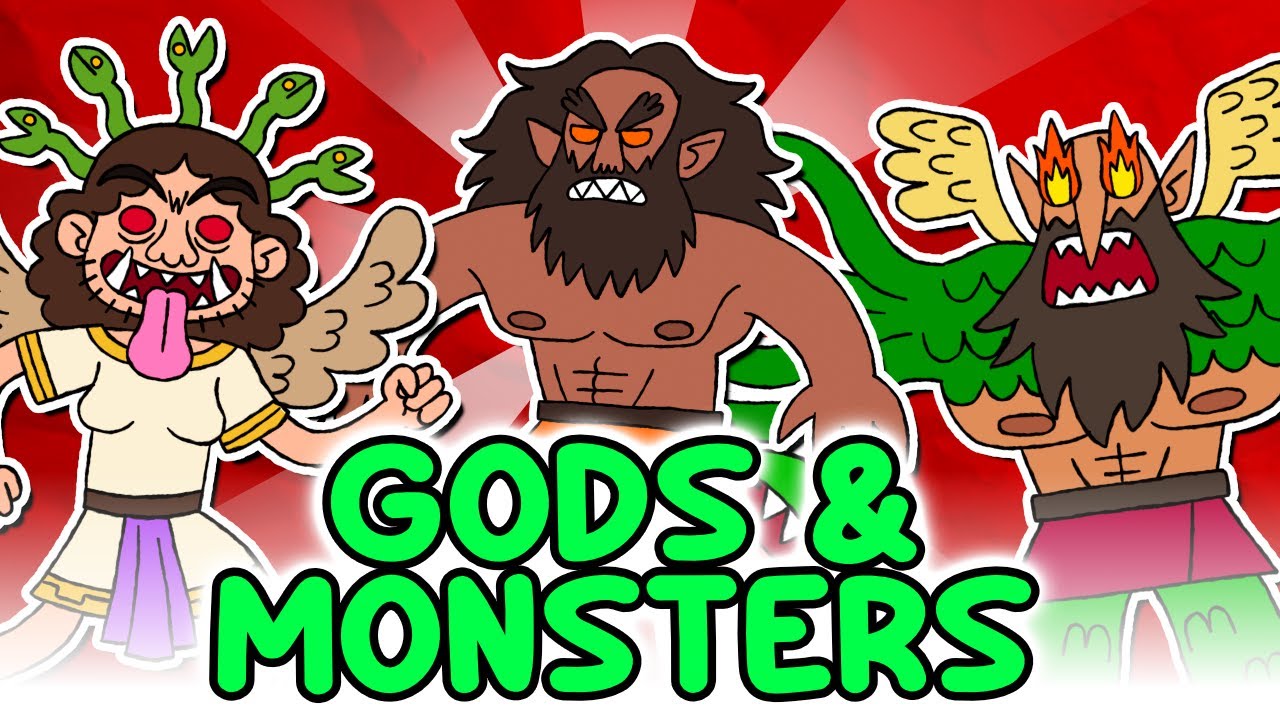
The video discusses the complex narratives and characters within Greek mythology, focusing primarily on Typhon, an enormous monster born of Gaia and Tartarus, and his offspring, as well as the evolution of the Gorgon Medusa. Key points include:
- Typhon's origins and monstrous features, along with his battles against the Olympian gods.
- The various offspring of Typhon and Echidna, and their significance in Greek myths.
- The transformation of Medusa's narrative from a monster to a tragic figure and her interpretations in modern culture.
Typhon: The Monstrous Giant
Typhon, a significant figure in Greek mythology, is characterized as a chaotic giant made of snakes whose primary goal is to overthrow the Olympian gods. He is said to be the offspring of Gaia, the Earth goddess, and Tartarus, the abyss. Triggered by the gods' treatment of her Titan children, Gaia sends Typhon to confront Zeus. According to various sources, Typhon displays an extreme set of monstrous features, with multiple heads, serpent-like limbs, and formidable strength, making him one of the most legendary figures in Greek mythology.
Offspring of Typhon
Typhon's union with Echidna, a half-woman half-serpent creature, produced notable monsters in mythology, including Cerberus, the Lernaean Hydra, and the Nemean Lion. Many of these offspring are famous for their conflicts with heroes, particularly Heracles. The Chimera, another offspring, is noted for its terrifying blend of lion, goat, and serpent features. The recounting includes various artistic interpretations of these mythological battles, highlighting how stories of these monsters evolved over time, such as the detailed accounts of the Hydra's defeating methods by later poets.
The Battles Against Zeus
In the myth of Typhon's confrontation with Zeus, some gods fled to Egypt, taking animal forms to escape his wrath. When the battle commences, Typhon overpowers Zeus initially, even incapacitating him. However, Hermes and Pan come to Zeus’s aid, leading to a reversal of fortune. The video also mentions the varying fates of Typhon, with Zeus either using his thunderbolt to send Typhon to Tartarus or burying him beneath Mount Etna, which serves as an explanation for the volcano's activity.
Medusa and the Evolution of Her Myth
The discussion shifts to Medusa, whose story has transformed significantly over time. Initially depicted as a monstrous figure in prehistoric art, Medusa's narrative evolved into that of a tragic character, especially after Avid's retelling. In his version, her transformation from a beautiful woman into a monster occurred following her assault by Poseidon, reflecting themes of victimization and punishment. The modern interpretations often focus on Medusa as a symbol of female rage and empowerment, especially within feminist discourse.
Zeus's Progeny
The video explores various offspring of Zeus, particularly those born both within and outside of his marriage to Hera. Children like Ares, Dionysus, and Athena are examined, showcasing their birth stories and divine roles. Zeus's relationships and numerous affairs are highlighted, including the complexities in the dynamics of love and power among the gods, and how these tales influenced cultural narratives over time, reflecting human relationships through divine interactions.
Orpheus and Eurydice
The tale of Orpheus is presented, focusing on his love for Eurydice and his descent into the underworld to reclaim her. The video captures the tragic elements of their story, emphasizing the emotional appeal and musical abilities of Orpheus that allowed him to charm even the gods. However, his failure to adhere to the conditions set by Hades leads to a bittersweet ending, reflecting themes of love, loss, and the consequences of human emotions.
The Titans and Their Defeat
Finally, the Titans' defeat at the hands of the Olympian gods is narrated, starting from Cronus's castration of Uranus to the eventual overthrow of the Titans. The video illustrates how Gaia's desire to free her other children parallels the conflicts fought by the Olympians against the Giants spawned from Uranus's blood, leading to celebrated myths that intertwine heroism, divine challenges, and intergenerational conflict in storyline threads within Greek mythology.

