
Brief Summary
JT and Brian discuss the possibility of being in the "little season" and how modern Bible translations might contain discrepancies that could lead to deception. They highlight potential issues with chronological order in books and chapters, and how chapter breaks might alter the context of certain verses. They focus on the end of Mark 8 and the beginning of Mark 9, suggesting that a chapter break separates verses that should be read together, changing the interpretation of Jesus's words about his return. They encourage viewers to study multiple translations and be aware of potential manipulations in the text, particularly concerning demons, Jesus, the Little Season, and the Nephilim.
- Modern Bible translations may have discrepancies in chronological order and chapter breaks.
- These discrepancies can alter the context of verses, potentially leading to misinterpretations.
- The end of Mark 8 and the beginning of Mark 9 is presented as an example of how chapter breaks can change the meaning of Jesus's words.
- Viewers are encouraged to study multiple translations and be aware of potential manipulations in the text.
Introduction: Short Segments for the Short Season
JT and Brian introduce a new series of short, condensed content focusing on relevant topics. They discuss the possibility of being in the "little season" described in Revelation 20, where the devil deceives the nations after a thousand years. They aim to explore how such deception could occur, given the availability of scripture.
Chronological Discrepancies in Modern Bible Translations
JT shares his observation that modern Bible translations seem to have discrepancies, with books and chapters sometimes out of chronological order. He clarifies that he's not dismissing the translations entirely but pointing out a potential issue that can be confusing. Brian adds that the chapter and verse divisions were introduced much later, around the 1500s, which raises questions about potential alterations to the original context.
Altering Context Through Chapter Breaks
Brian suggests that chapter breaks could be strategically placed to alter the context of the scriptures and tell a different story. JT recalls a conversation where they noticed that the end of one verse seemed to flow into the beginning of the next, indicating a potential manipulation of the text. This observation leads them to discuss a specific example in the Gospel of Mark.
Mark 8:34-38 and Mark 9:1: A Case Study
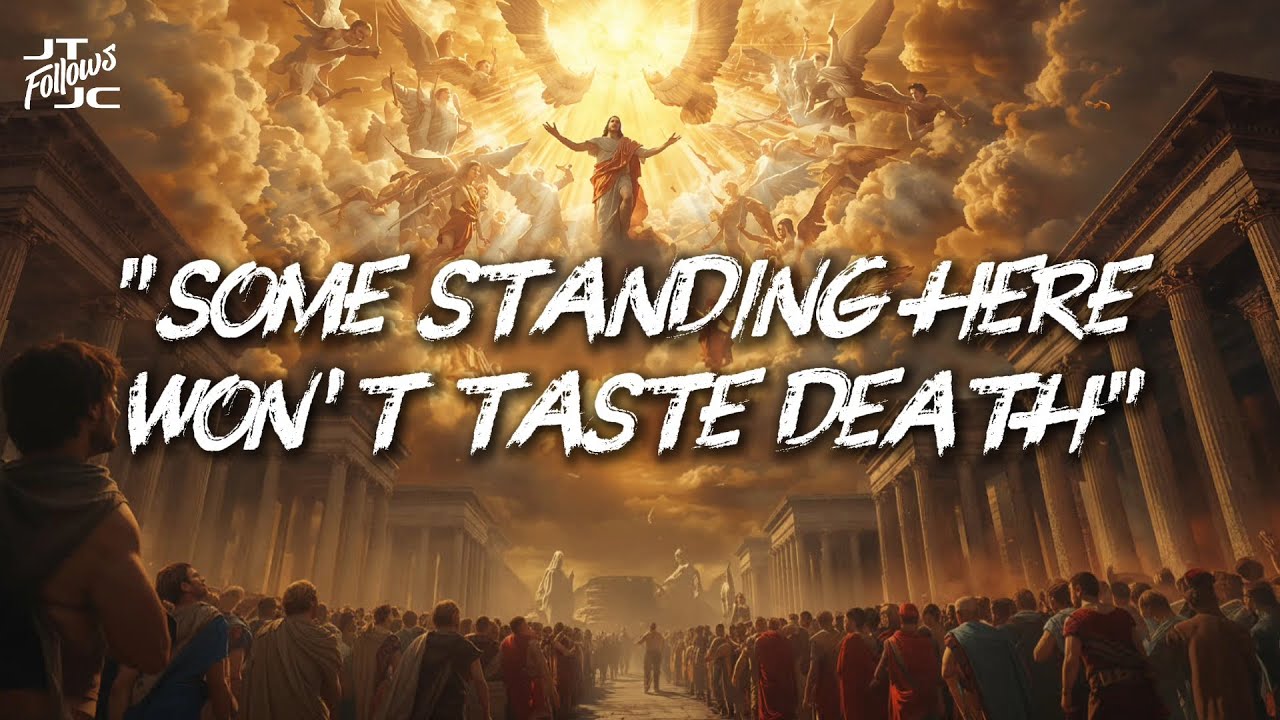
JT and Brian focus on the end of Mark 8 and the beginning of Mark 9. Mark 8:38 states that whoever is ashamed of Jesus in this adulterous and sinful generation, the Son of Man will be ashamed of them when he comes in the glory of his Father with the holy angels. Mark 9:1 follows with "Truly I say to you, there are some standing here who will not taste death until they see the kingdom of God after it has come with power." They argue that these verses should be read together, implying that Jesus is referring to his coming within that generation.
The Transfiguration and Altered Context
The discussion shifts to Mark 9:2, which describes the transfiguration of Jesus six days later. JT and Brian argue that some people use the transfiguration to justify the claim that Jesus was not specifically talking about his apostles not tasting death. They contend that the chapter break separates verses that should be connected, leading to a misinterpretation of Jesus's words. They highlight that the transfiguration lacks the presence of angels, which are mentioned in Mark 8:38 and Matthew 16:27.
Historical Context and Deception
Brian references writings by Josephus and Tacitus, which describe historical events involving clouds opening up and chariots of troops, suggesting a parallel to the coming of Jesus with angels. They reiterate that removing the context of the sinful generation and placing Mark 9:1 next to the transfiguration changes the intended meaning. They believe this is an example of how the devil could deceive the nations by manipulating the text.
Questioning Translations, Not the Word of God
JT emphasizes that they are not questioning the word of God but rather the decisions made by men in adding chapters and verses. He suggests that these additions, and potential rearrangements, can be confusing and alter the context. Brian adds that modern translations are fallible and that it's necessary to read multiple translations to understand the intended meaning. He points out that Revelation warns against altering the text, implying that such alterations are possible.
Studying and Verifying Scripture
JT and Brian encourage viewers to study the Bible diligently, using multiple translations to verify the text. They suggest that certain topics, such as demons, Jesus, the Little Season, and the Nephilim, seem to be more prone to manipulation in translations. They also mention the differences between the Masoretic text and the Septuagint, noting that Jesus and his apostles often quoted from the Septuagint.
The Devil's Manipulation and the Need for Witnesses
JT notes that the devil knew scripture and how to manipulate it, but Jesus called him out on his misinterpretations. Brian adds that Paul said the devil can appear as an angel of light, so it should be no surprise if he disguises himself as a minister of righteousness. They conclude by emphasizing the importance of verifying scripture with multiple witnesses, just as the Bible requires for condemning someone. They encourage viewers to share the video and discuss these issues with others.

