
Brief Summary
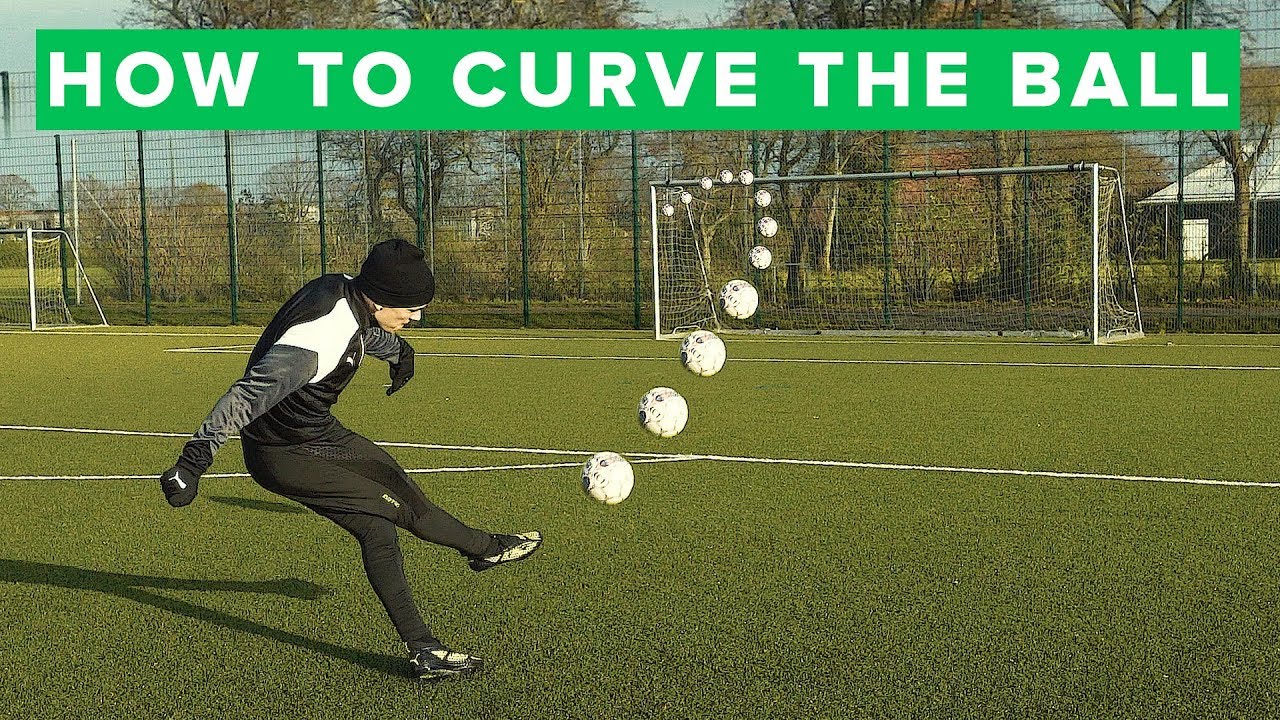
This video provides a step-by-step tutorial on how to curve a football, focusing on the instep shooting technique for bending free kicks. It emphasizes the importance of practice, proper run-up angle, striking the ball with the correct part of the foot, and following through. The tutorial also covers common mistakes and provides tips for effective training.
- Proper run-up angle and body positioning are crucial for generating curve.
- Striking the ball with the instep while locking the ankle and pointing toes upwards creates side and topspin.
- Consistent practice and analyzing professional techniques are key to improvement.
Introduction
The video introduces a tutorial on how to curve a football, specifically focusing on bending free kicks. It highlights that while the instep shooting technique is relatively easy to learn and consistent, mastering it requires significant practice and dedication. The video is aimed at those willing to put in the necessary effort to improve their technique.
Run-Up and Angle
The importance of a proper run-up angle to the ball is discussed. Approaching the ball from an angle is essential for creating the desired curve, unlike a straight run-up, which is more suited for knuckleball shots. The video advises against following rigid step-by-step run-up guides, suggesting that players should find the distance and angle that works best for them through experimentation. The key is to have an angle that facilitates shooting the ball in a way that generates curve.
Foot Placement and Striking the Ball
The video explains that the ball should be struck with the instep area of the foot, located between the toes and the inside of the foot. It cautions against using the inside of the foot typically used for passing, as it doesn't generate enough power for free kicks. When making contact, the ankle should be locked, and the toes should be pointed upwards to impart both side and topspin on the ball, helping it clear the wall and dip into the goal. The ball should be struck on the lower half and slightly on the side to achieve the desired curling movement.
Hip Movement and Standing Foot
The importance of hip movement in generating momentum for the shot is emphasized. The entire hip should be engaged when approaching and striking the ball. Additionally, the standing foot should be pointed slightly away from the target to help generate side spin. This technique aims the initial shot to the side, relying on the curve to bring the ball back towards the target.
Follow-Through
Two follow-through styles are presented: one where the leg swings freely and another where the follow-through is stopped more quickly. Regardless of the style, the leg should continue its movement and slice across the body in a circular motion to enhance the sideways spin. Leaning over the ball is also crucial to prevent the shot from going too high.
Practice Tips
The video suggests practicing free kicks against a wall to maximize repetitions in a shorter amount of time. Analyzing professional footballers' free-kick techniques and filming your own shots to identify areas for improvement are also recommended. Repetition is key to mastering the technique.
Common Mistakes
A common mistake is generating backspin instead of sidespin, causing the ball to float. This can be corrected by ensuring the toes are pointed upwards and following through properly. The video emphasizes that a full follow-through is necessary for generating the correct spin, as opposed to a short, chipping motion.
Summary of Key Points
The video summarizes the key points: having enough angle on the run-up, pointing the non-kicking foot away from the target, hitting the lower half of the ball with the instep, leaning over the ball, locking the ankle, pointing the toes upwards, and following through with the leg across the body.
Final Advice
The video concludes by emphasizing the importance of consistent training. Regular practice is the most crucial factor in improving free-kick technique, regardless of equipment or natural talent. The key is to consistently work on the shooting technique to achieve improvement over time.

