
Brief Summary
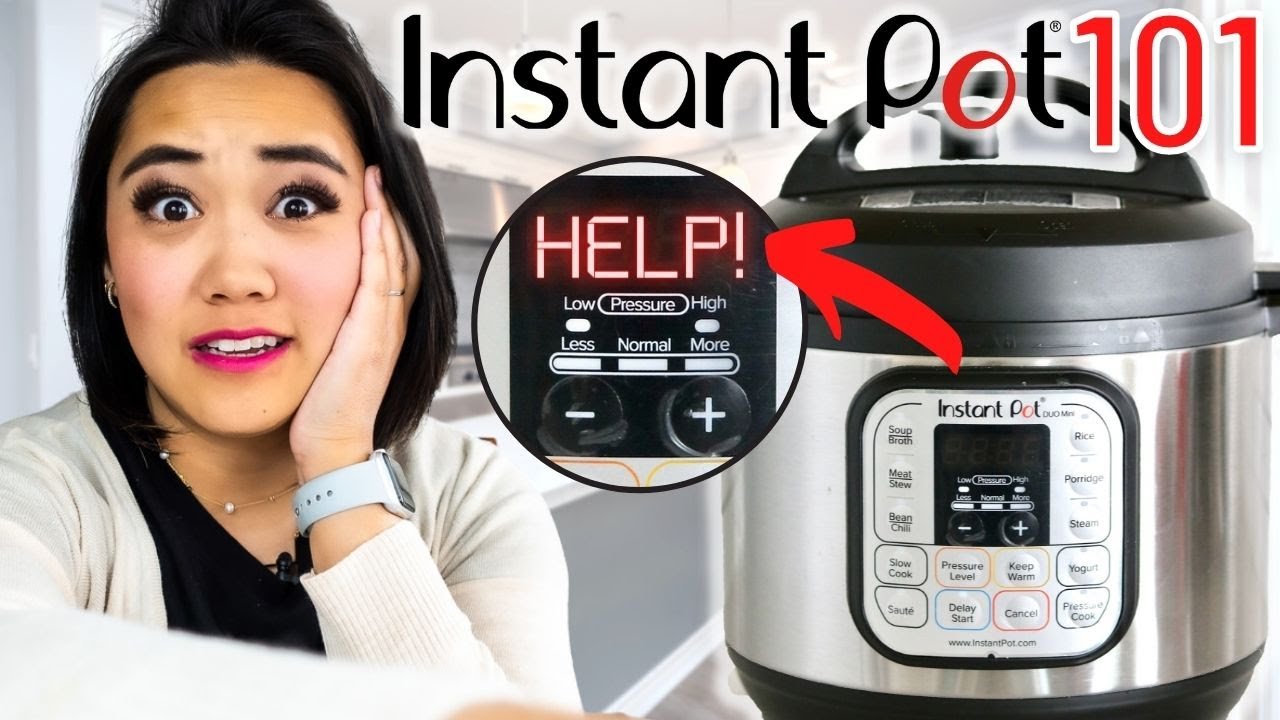
This video provides a comprehensive guide to understanding and using an Instant Pot, covering everything from its basic functions and components to advanced tips and safety precautions. It emphasizes that an Instant Pot is an electric pressure cooker, not a slow cooker, and highlights its ability to cook food quickly using steam and pressure. The guide includes a detailed explanation of the Instant Pot's parts, buttons, and functions, along with practical advice for first-time users.
- Instant Pot is an electric pressure cooker, not a slow cooker.
- Key components include the base, liner, lid (with sealing ring and knob), and condensation collector.
- Manual/Pressure Cook and Sauté are the most important buttons.
- Water test is recommended for first-time use to ensure proper sealing and functionality.
- Natural Pressure Release (NPR) and Quick Release (QR) are the two methods for releasing pressure.
Intro
The video aims to demystify the Instant Pot for beginners, addressing why many units remain unused due to a perceived learning curve. It promises to teach viewers how to understand and effectively use their Instant Pots, turning them into valuable kitchen tools. The video emphasizes easy-to-remember analogies and practical ways to understand the appliance.
What is an Instant Pot and is an Instant Pot a Crock Pot?
An Instant Pot is a brand of electric pressure cooker, distinct from a slow cooker or Crock-Pot. While Instant Pots often include a slow cooker function, they are primarily designed for pressure cooking, which cooks food faster by locking in steam and pressure. The high pressure increases the temperature inside the pot, significantly reducing cooking times.
Can I fry in an Instant Pot?
The video clarifies that Instant Pots are not designed for pressure frying like in commercial restaurants. Attempting to pressure fry in an Instant Pot is unsafe. The appliance cooks food using steam and liquid, so it won't produce crispy or baked results on its own.
Instant Pot Models (Difference between 3 quart, 6 quart, 8 quart, and 10 quart Instant Pot)
The most common Instant Pot model is the 6-quart version, recommended for most users. An 8-quart model is available for larger families or cooking large quantities, like for Thanksgiving. A 10-quart version exists but is not recommended for beginners due to recipe adjustments. The 3-quart mini Instant Pot is ideal for sides, yogurt, or single servings. The video also shows the difference in liner sizes between the 3, 6, and 8 quart models.
Instant Pot Base, liner, anatomy
The Instant Pot base houses the controls, power cord, and heating element. Inside the base is the removable liner, which can be swapped out for cooking multiple dishes or storing leftovers. The stainless steel base is easy to clean and remains cool during cooking. Food should never be placed directly into the inner base with the heating element; always use the liner.
Instant Pot lid, sealing ring, sealing knob, sealing pin, stinky Instant Pot
The lid is a crucial component with several parts, including the sealing ring, which ensures the Instant Pot seals properly to build pressure. The sealing ring must be correctly and snugly fitted for the Instant Pot to function. The lid also features a sealing knob and a sealing pin that pops up when the pot is pressurized. The lid gets extremely hot during pressure cooking, so avoid touching the top. Storing the Instant Pot with the lid on is not recommended as it can trap smells; instead, store it upside down to allow airflow. The lid can be placed on the base using the built-in wings on either side. To correctly put the lid on, line up the big part of the lid with the big part on the base instead of lining up the arrows. Always ensure the sealing knob is in the sealing position before cooking.
Condensation Collector
The condensation collector is located on the back of the Instant Pot and collects any condensation or food that drips down from the lid. It should be checked and cleaned regularly to prevent mold and unpleasant odors. To remove it, twist it off.
Instant Pot buttons and UI (manual, pressure cook, pressure, saute, keep warm)
The manual or pressure cook button is the most important, functioning like the time cook feature on a microwave. The preset buttons (soup, meat, beans, etc.) are not essential; using the manual/pressure cook button and following recipes is sufficient. When using the manual button, the Instant Pot defaults to high pressure, but this can be adjusted using the pressure button. The sauté button is the second most important, allowing users to brown meat or sauté vegetables directly in the pot before pressure cooking. The sauté feature cannot be used with the lid on. The sauté temperature can be adjusted to low, normal, or high. The Instant Pot defaults to 30 minutes for sautéing as a safety feature.
First time using- Water Test - What does L mean on Instant Pot
The water test is recommended for first-time use to ensure the Instant Pot is working correctly. Add one to two cups of water, seal the lid, and pressure cook for 5 minutes. The display will show "on" while preheating, then switch to "5" when pressurized. After the 5 minutes, the display will show "L" followed by a time, indicating the elapsed time since pressure cooking finished. "L" stands for lapsed time.
Natural pressure release vs Quick release
Natural Pressure Release (NPR) involves allowing the Instant Pot to depressurize on its own, while Quick Release (QR) involves manually turning the knob from sealing to venting to quickly release pressure. QR can be startling due to the sudden release of steam.
Releasing the pressure
To perform a quick release, turn the sealing knob to the venting position. Be cautious as the steam release can be forceful. Once the pin drops, the lid can be safely opened.
Instant Pot Sounds and turning off the sound/volume
The Instant Pot makes sounds when buttons are pressed. To turn off the sound, press the "off" button, then press and hold the minus button until "S off" is displayed. To turn the sound back on, press the plus button until "S on" is displayed.
Can I cancel Instant Pot after it has started? Can I move the Instant Pot? Should I cover the Instant Pot? and other FAQ
The Instant Pot can be turned off mid-cycle by pressing the "off" button. If pressurized, release the pressure before opening the lid. Avoid moving the Instant Pot while it's pressure cooking. It's okay to gently adjust it along the counter while plugged in, but don't pick it up or unplug it. Do not cover the Instant Pot with a towel or rag during depressurization, as this is a safety hazard.
Instant Pot evaporation (or lack thereof) and what you need to cook
There is very little to no evaporation in the Instant Pot, which means the amount of liquid at the end of cooking will be similar to what was added initially, potentially more if the food releases water. This can dilute flavors, so overcompensate with seasonings or use the sauté function to reduce the liquid after cooking. A minimum of 1 cup of liquid is needed for a 6-quart Instant Pot, 1.5-2 cups for an 8-quart, and 0.5 cup for a 3-quart.

