
Brief Summary
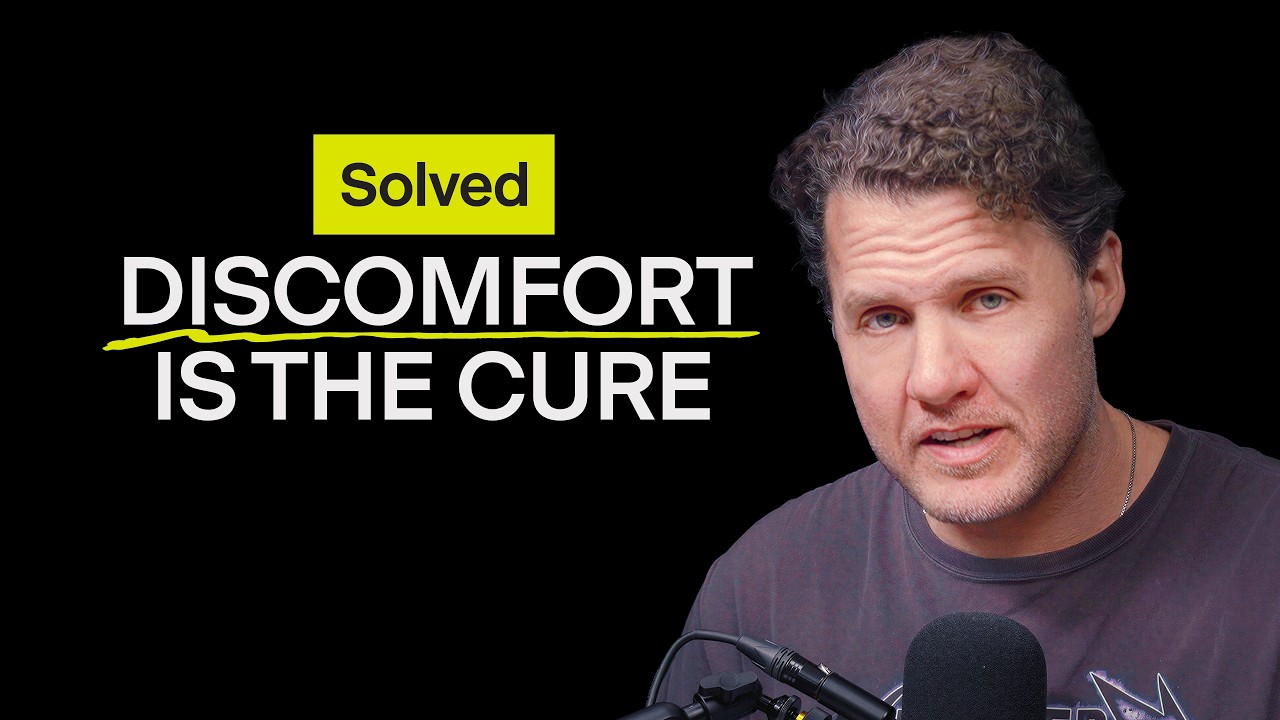
This YouTube video by Mark Manson ranks 17 anti-anxiety interventions based on scientific evidence, categorizing them from harmful to legitimately effective. It begins by defining anxiety and its causes, distinguishing it from fear and discussing genetic, environmental, and existential factors. The interventions are then ranked, with explanations of their effectiveness, efficiency, and the research supporting them. The top interventions include social connection, sleep optimization, exercise, meditation, and therapy, while alcohol is identified as harmful.
- Alcohol makes anxiety worse
- Therapy is the most effective intervention
- Quick fixes are not as effective as lifestyle changes
CHAPTER 1: What Is Anxiety and Why Do We Have It?
Anxiety is defined as a future-based emotion characterized by apprehension and tension, influenced by our thoughts and tendency to predict future events, often with a negative bias. This bias is evolutionarily adaptive, helping us prepare for potential dangers. About 30-40% of anxiety is genetic, with women and young people generally experiencing more anxiety. Trauma can disrupt emotional regulation, and existential anxiety arises from the "dizziness of freedom," where increased choices lead to fear of making the wrong decisions.
CHAPTER 2: #17 Alcohol (Bullshit Tier)
Alcohol is ranked as the worst anti-anxiety intervention because, despite providing short-term relief, it exacerbates anxiety in the long run. Many people self-medicate with alcohol, but the subsequent "bounce back" effect increases anxiety levels. Alcohol interferes with fear extinction, hindering the ability to overcome social anxiety. Stopping heavy drinking can significantly reduce anxiety, leading to a more stable emotional state and improved emotional regulation.
CHAPTER 3: #16 Magnesium and #15 Journaling
Magnesium supplements have a very modest effect on anxiety for most people, and their effectiveness is closely tied to whether an individual has a magnesium deficiency. The evidence supporting magnesium's anti-anxiety benefits is inconsistent due to methodological issues in studies. Journaling is also ranked low as it can lead to overthinking and rumination, which are counterproductive for anxiety. However, a specific type of journaling involving exposure therapy and negative visualization can be effective if done consistently.
CHAPTER 4: #14 CBD and #13 Digital Detoxes
CBD's effectiveness for anxiety is uncertain due to poor study quality and inconsistent results. A meta-analysis of 1550 studies could only include eight due to methodological flaws, and even those showed wide confidence intervals. Digital detoxes, while providing short-term anxiety relief, are not a long-term solution, as people tend to revert to their digital habits. The benefits of digital detoxes are short-lived, lacking sustainability once individuals return to their regular routines.
CHAPTER 5: #12 Breathwork and #11 Benzodiazepines
Breathwork's effectiveness varies depending on the technique and individual, with potential for adverse effects if done incorrectly. Box breathing, involving slow, controlled breaths, can help during panic attacks by promoting oxygenation and calming the nervous system. Benzodiazepines can be highly effective for quick anxiety relief but carry risks of dependence, abuse, and interference with therapy. Their potential harm lowers their ranking despite their immediate effectiveness.
CHAPTER 6: #10 Probiotics and #9 Yoga
Probiotics may help individuals with diagnosed anxiety disorders due to the gut-brain connection, but their effectiveness varies. Yoga can help with anxiety by increasing awareness of internal bodily states and practicing discomfort tolerance. However, it is not as effective as therapy and may not address underlying ruminating thoughts. Yoga's benefits stem from physical awareness and discomfort management rather than supernatural elements.
CHAPTER 7: #8 Adaptogens and #7 SSRIs
Adaptogens show promising early results in reducing anxiety, but research is limited by variable quality and study designs. SSRIs (antidepressants) are effective for some people, but they are often overprescribed and have potential side effects like sexual dysfunction and emotional blunting. While SSRIs can be life-changing for severe cases, they may be overkill for subclinical anxiety.
CHAPTER 8: #6 Psychedelics
Psychedelic-assisted therapy shows significant promise with the largest effect size among researched interventions, but research is still limited. Psychedelics may trigger neuroplasticity, resetting thought patterns and beliefs. However, they can also lead to finding meaning in insignificant things, and their use requires caution and a structured environment with professional guidance.
CHAPTER 9: Top Five – Social Connection, Sleep, Exercise, Meditation, and Therapy
Social connection is crucial for regulating nervous systems, but anxiety can hinder socializing. Loneliness is a predictor of anxiety, and the belief in having social support is more important than actual support. Sleep optimization is essential, as sleep deprivation worsens anxiety and impairs emotional processing. Exercise helps manage anxiety by training the body to handle fear and promoting a sense of control. Meditation changes the relationship with thoughts, and therapy, especially CBT, is highly effective for anxiety, providing durable skills for managing emotions.
CHAPTER 10: Final Takeaways
The key takeaway is that quick fixes are less effective than lifestyle changes for managing anxiety. Durable, lasting change requires addressing the root causes and building resilience. The most effective interventions involve confronting discomfort and developing coping mechanisms.

