
Brief Summary
This video features a discussion with Dr. Kapil Iyer, a lung specialist, about the effects of air pollution on lung health and overall well-being. The discussion covers the impact of air pollution on the respiratory system, the dangers of smoking and e-cigarettes, and the importance of individual and collective actions to combat air pollution. Key takeaways include the alarming statistic that air pollution is a leading cause of death, the surprising demographic shift in lung cancer patients, and practical steps individuals can take to protect themselves.
- Air pollution is a major health risk, causing approximately 6.5 million deaths worldwide.
- Lung cancer demographics are changing, with more cases in younger, non-smoking females.
- Individual actions, like reducing smoke and dust sources, and collective efforts, like promoting electric vehicles, are crucial in combating air pollution.
Introduction to Air Pollution and Its Effects
The video starts by highlighting the severe impact of air pollution, stating it causes approximately 6.5 million deaths worldwide and is the third highest cause of death in India among all health risks. It questions the effectiveness of air purifiers, pointing out that uncleaned purifiers can become sources of pollution. The discussion also touches on indoor air pollution sources like fragrances, mosquito repellents, and traditional incense, which are common in Indian households. The effects of air pollution extend beyond the lungs, affecting various organs and contributing to a rise in lung cancer cases among females. The segment concludes by emphasizing the importance of addressing air pollution, as the air we breathe is heavily polluted, leading to damaged lungs, especially in polluted cities.
Expert Insights on Lung Health and Air Pollution
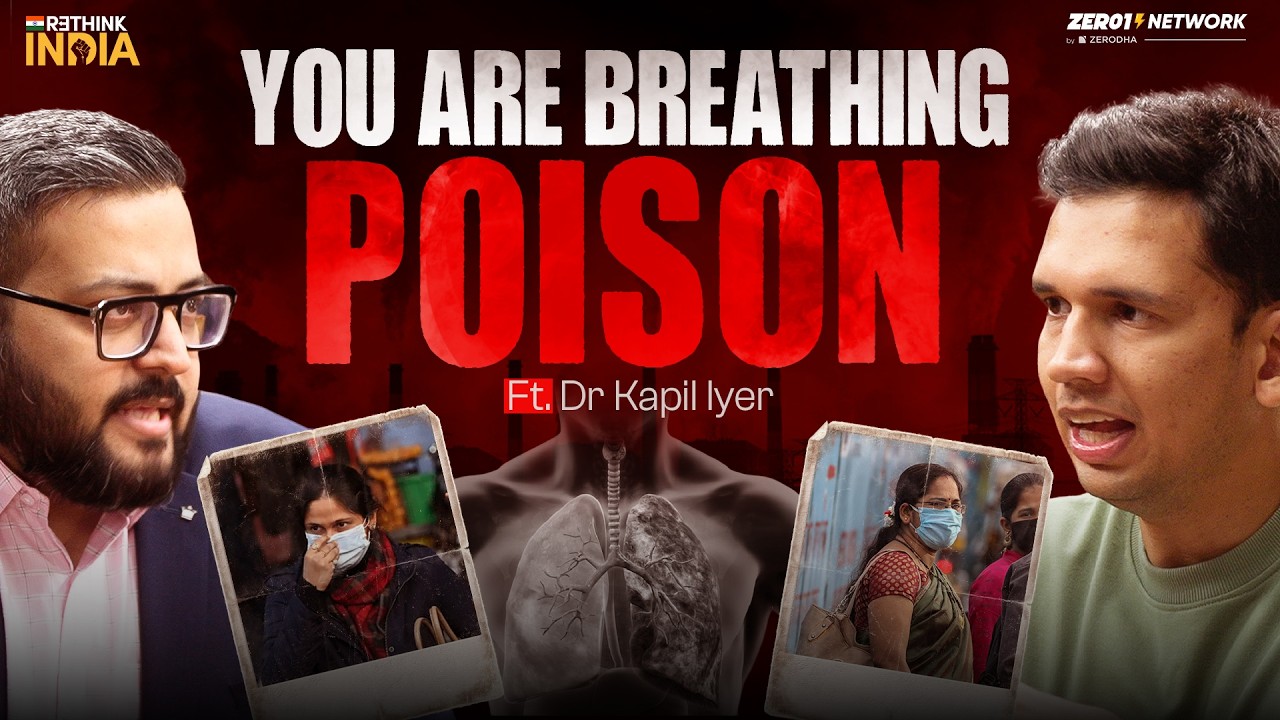
Dr. Kapil Iyer explains that air pollution affects the respiratory system from the nose down, causing symptoms like a runny nose, throat irritation, and allergic reactions. He presents a visual comparison of healthy lungs versus those affected by air pollution, showing black deposits in the latter. Dr. Iyer notes that these black deposits are so common in urban areas of North India that surgeons frequently observe them during lung examinations. He shares a personal anecdote about experiencing increased allergies and cold symptoms upon returning to India from the US and UK, attributing it to the higher levels of air pollution.
Cigarettes, E-cigarettes, and Hookahs: A Comparative Analysis
The discussion shifts to the harmful effects of cigarettes, e-cigarettes, and hookahs. Dr. Iyer explains that while both cigarettes and e-cigarettes contain nicotine, cigarettes have a higher concentration of harmful constituents that cause lung cancer. E-cigarettes, initially introduced as a smoking cessation tool, have backfired, leading to increased usage due to a perceived lower risk. Hookah bars are identified as particularly dangerous due to the high levels of air pollution in enclosed spaces, with AQI levels reaching thousands. Dr. Iyer advises against all three, emphasizing their detrimental effects on lung health.
Indoor Air Pollution: Sources and Solutions
Dr. Iyer addresses the impact of traditional cooking stoves (chulhas) on health, especially in rural India, where they are a major source of indoor air pollution. He notes a concerning shift in lung cancer demographics, with cases now appearing in younger, non-smoking females, partly due to indoor pollution. He recommends switching to gas stoves and highlights government efforts to disseminate them in rural areas. The discussion moves to other indoor air pollution sources, including fragrances, mosquito repellents, and incense, which are commonly found in Indian homes.
Understanding AQI, PM2.5, and PM10
Dr. Iyer explains the components of the Air Quality Index (AQI), which includes PM2.5, PM10, volatile organic compounds, carbon dioxide, nitric oxide, and sulfuric oxide. He clarifies that AQI is an algorithm that calculates the overall air quality based on these six components. He details the color-coded AQI ranges, from optimum (0-50) to hazardous (above 300), noting that people in highly polluted areas become accustomed to unhealthy AQI levels. Dr. Iyer differentiates between PM2.5 and PM10, explaining that PM2.5 particles are smaller and can penetrate deeper into the lungs and bloodstream, affecting various organs, while PM10 particles are larger and remain in the upper airways.
The Impact of PM2.5 on the Body
Dr. Iyer elaborates on how PM2.5 particles enter the bloodstream and affect various organs, including the heart (causing hypertension and heart attacks), the brain (leading to strokes and cognitive decline), and the endocrine system (increasing diabetes risk). He mentions studies linking air pollution to obesity and highlights the dangers for pregnant women, as pollutants can cross the umbilical cord and affect the developing fetus. Dr. Iyer draws a startling comparison, stating that the PM2.5 levels in the studio equate to smoking 2.5 cigarettes per day, emphasizing the pervasive impact of air pollution.
Masks and Air Pollution: What Works and What Doesn't
Dr. Iyer evaluates the effectiveness of different types of masks in protecting against air pollution. He dismisses cloth masks as purely cosmetic with zero protective value. Surgical masks are useful for preventing droplet infections but offer no barrier against PM2.5 particles. N95 masks, when properly fitted, can block 95% of particles and help in air pollution. However, they are a temporary solution due to re-breathing of carbon dioxide and discomfort. N99 masks offer better protection but are not practical for long-term use. Dr. Iyer concludes that masks are a short-term fix and not a long-term solution to air pollution.
Solutions to Combat Air Pollution
Dr. Iyer suggests focusing on reducing sources of smoke and dust. He identifies vehicular exhaust, incense, and firecrackers as sources of smoke, and construction as a major contributor to dust. He advocates for phased construction with traffic diversion and enforcement of regulations like green covers on construction sites. Dr. Iyer supports the transition to electric vehicles and renewable energy sources. He also acknowledges the limited but positive role of indoor plants in improving air quality.
Air Purifiers: Usefulness and Limitations
Dr. Iyer discusses the usefulness of air purifiers, comparing them to air conditioners in terms of mechanism and effectiveness. He emphasizes that the size and number of air purifiers must match the room size, and regular cleaning of the membrane is essential to prevent them from becoming sources of pollution. Air purifiers can be beneficial for specific populations, such as post-transplant patients and the elderly, in limited spaces, provided they are properly maintained.
Pigeons and Lung Health
Dr. Iyer confirms that pigeons can adversely affect lung health, particularly when large flocks gather in one place, leading to conditions like hypersensitivity pneumonitis. This condition causes lung tissue to stiffen, requiring oxygen support and potentially lung transplantation. He clarifies that other birds, such as parrots and lovebirds, can also cause similar issues, but pigeons are more prevalent.
Addressing Common Misconceptions and Final Advice
Dr. Iyer debunks the myth that air pollution is only a problem in Delhi and NCR, or only during winter. He advises smokers in highly polluted cities to quit smoking immediately, as they are compounding the problem. He urges every Indian to take individual responsibility by combating sources of smoke and dust in their surroundings, promoting carpooling, and supporting electric vehicles. Dr. Iyer concludes by emphasizing that collective small actions can lead to significant improvements in air quality.

