
Brief Summary
The video explores how individuals can inadvertently integrate their problems and suffering into their personality, leading to a victimhood identity. It examines the psychological mechanisms behind this phenomenon, including rumination and the construction of a "hero victim" narrative. The video also discusses the challenges of overcoming this identity and the importance of encouraging personal responsibility and constructing a positive narrative identity.
- Problems can become ingrained in one's personality through rumination and identity construction.
- A victimhood identity can hinder personal growth and make it difficult to let go of suffering.
- The "hero victim" complex ties heroism to being a victim, creating a need to perpetuate victimhood.
- Encouraging personal responsibility and constructing a positive narrative identity are crucial for overcoming this pattern.
Intro
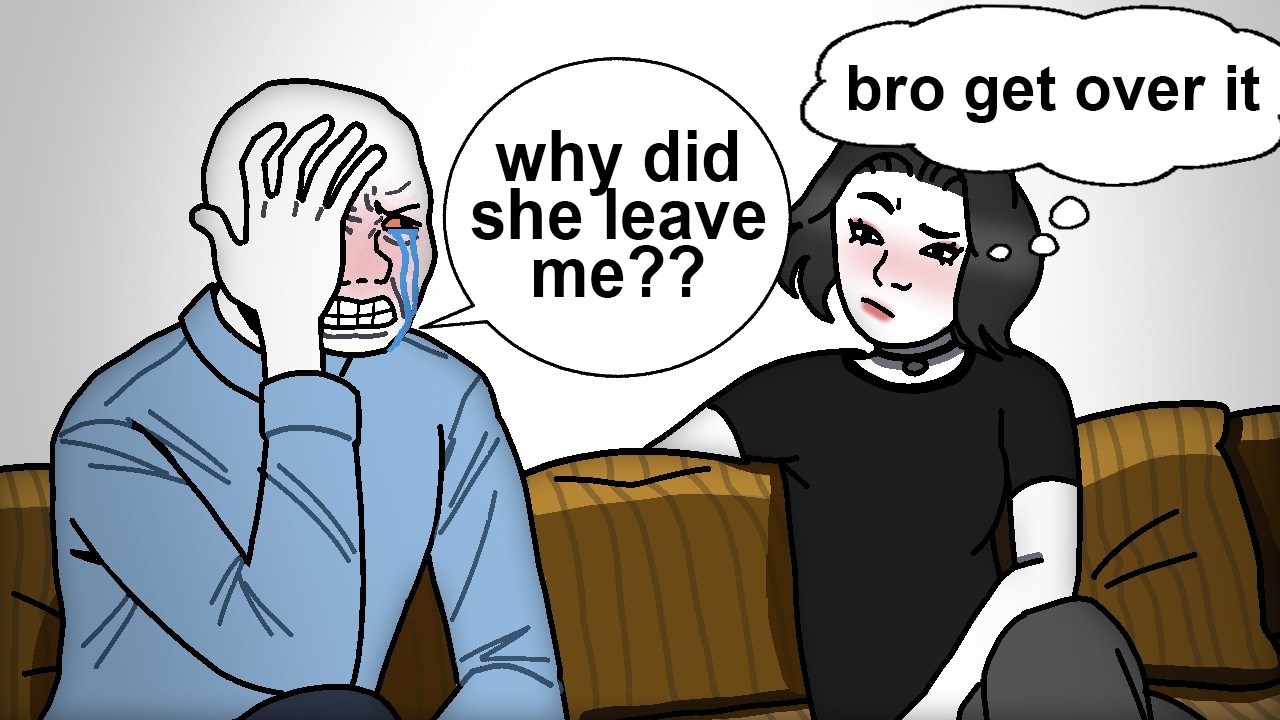
The video introduces the concept of how people's problems can become their personality. It highlights the idea that turning problems into a part of one's identity is a normal human mechanism. The video references a tweet emphasizing that the more eloquently we describe our wounds, the harder it becomes to leave them behind, and overcoming a struggle feels like a betrayal of who you are. The content aims to explore the research behind why this phenomenon occurs.
How Do Problems Become Your Personality?
The more someone focuses on a problem, the worse it becomes. Continually asking about pain or nausea exacerbates the issue. Rumination on negative experiences intensifies them. Traumatic experiences can be left behind by some, but focusing on them can lead to them becoming part of one's identity. Once suffering becomes part of one's identity, it becomes difficult to let go of.
The Problem With An Identity Based Around Suffering
Developing an identity based around suffering can lead to a victim mentality that persists across different relationships and situations. People with this identity may see themselves as victims in interpersonal interactions, making it difficult to let go of this identity. This can result in a traumatic formation of a maladaptive identity, hindering personal growth and well-being.
Dysthymia
Dysthymia, a persistent depressive state, can become an explanation for many things in a person's life, such as lack of career or relationship success, and obesity. While persistent depression is a real contributor to these issues, it becomes problematic when it becomes part of one's identity. Letting go of this reason for failure becomes difficult because it requires accepting personal responsibility.
How Being a Victim Makes You a Hero
Being a victim can paradoxically lead to being seen as a hero. For example, a breast cancer diagnosis makes one a victim but also opens the door to being a breast cancer survivor. Reconstructing one's identity in a healthy way involves viewing oneself as triumphant rather than just a victim.
Martyr Complex
A martyr complex ties heroism to being a victim. If the heroic part of one's identity is rooted in victimhood, it can lead to problems. For example, someone with persistent depressive disorder may see their resilience in the face of depression as their primary source of self-esteem. This can result in a need to perpetuate victimhood in order to maintain a sense of heroism.
Encouraging Personal Responsibility
Encouraging personal responsibility is crucial for overcoming a victimhood identity. It involves asking oneself where one's personal responsibility lies. This can be painful because it means acknowledging that it's not always someone else's fault. However, it also opens the door to improvement and control.
Positive Narrative Identity Construction
Positive narrative identity construction involves rewiring one's physiology, changing one's brain, and constructing a healthy identity. This includes acknowledging that some things are not one's fault, while others are. By doing so, individuals can become empowered to change their lives instead of being a victim.

