
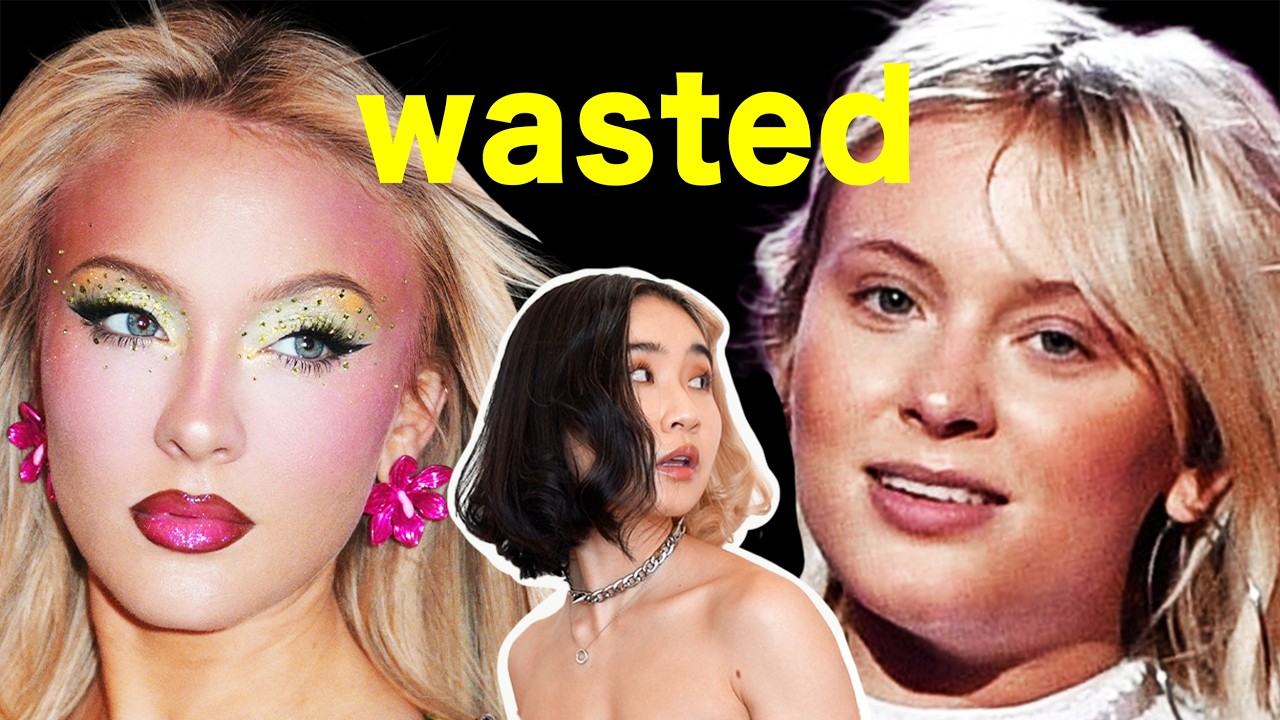
Brief Summary
This video analyzes Zara Larsson's career, highlighting her initial struggles with branding despite her talent and early success. It identifies five key factors that contributed to her rebrand and subsequent success: visual brand, meification, viral nostalgia, mood creation, and association. The video also touches upon the role of economic recession in promoting escapist music and concludes with a warning about the sustainability of a meme-driven brand, suggesting the need for a connecting lore to maintain long-term engagement.
- Zara Larsson's early career was marked by a lack of clear branding despite her talent and early success.
- Her rebrand was driven by five key factors: visual brand, meification, viral nostalgia, mood creation, and association.
- The sustainability of her meme-driven brand is questioned, with a call for a connecting lore to ensure long-term engagement.
Intro
The video introduces Zara Larsson, a pop artist who, despite having talent, looks, and a 15-year head start in the music industry, struggled with fame due to branding issues. The video promises to explore how a shift in brand unlocked her success and how viewers can apply these lessons to their own aspirations. The video also mentions a caveat to watch out for, as no brand is impeccable.
Zara 1.0
Zara Larsson's career began early, winning a Swedish talent show at age 10 and charting on Swedish singles charts. Despite early success and accumulating billions of streams, she remained relatively unknown, becoming a "voice without a face" lost in the generic pop landscape. Her songs became background music, and even her viral hits didn't credit her as the main artist.
Zara 2.0
The video transitions to Zara 2.0, emphasizing the importance of studying her rebrand in a marketing class. The rebrand is broken down into five key success factors, each crucial to her seemingly overnight success.
factor 1
The first factor is visual brand. In the digital age, a brand needs a visual identity, whether the product is audio or visual. Zara experimented with different aesthetics, but a golden yellow color scheme began to dominate her visuals, from her eye makeup to her outfits. This association with yellow was quickly capitalized on, with the yellow hibiscus flower becoming a meme and integrated into her album art and profile picture.
factor 2
The second factor is meification, turning cringe into fuel. In 2023-2024, TikTok users began pairing Zara Larsson's song "Symphony" with unfortunate events, often accompanied by a colorful dolphin animation. This trend revived the 2017 song and created a new brand essence for Zara. Zara and her team leaned into the joke, similar to how Doja Cat embraced the joke of being possessed or Hailey Bieber addressed being an alleged stalker.
factor 3
The third factor is viral nostalgia. The internet reintroduced Zara to a new generation that yearns for viral nostalgia, which became the brand thesis she had been missing. This led to the birth of the "Cyber Y2K Scandinavian Barbie" persona, which is unapologetically maximalist. Zara became a spectacle to be seen, with her makeup, outfits, and dances designed for the stage.
factor 4
The fourth factor is mood creation. The viral nostalgia created a visual world that people could believe in. Fan on-stage moments went viral, creating a positive cycle for people to rediscover her. Timing was also helpful, as economic recessions often favor escapist music. Zara's upbeat catalog, combined with the warmth and optimism of the yellow color scheme, led to a rise in demand for her music.
factor 5
The fifth factor is association. A brand is everything it is associated with. Zara Larson is associated with the Pink Panther collab, the yellow of Nordic summer, and beachy energy, creating a down-to-earth sun goddess vibe. She launched her own Scandinavian underwear and apparel brand, Maine Rose, which contrasts with her maximalist persona. However, she is consciously building Maine Rose as a brand that can thrive independently of her music career, demonstrating brand maturity.
Branding Warning
The video concludes with a warning about the sustainability of a meme-driven brand. The question is whether the crowd is there for Zara or just a fleeting viral moment. To maintain long-term engagement, the stories need to connect, creating a lore engine similar to Taylor Swift or Sabrina Carpenter. The video emphasizes that a brand is a never-ending story and commends Zara Larson's perseverance.

