
Brief Summary
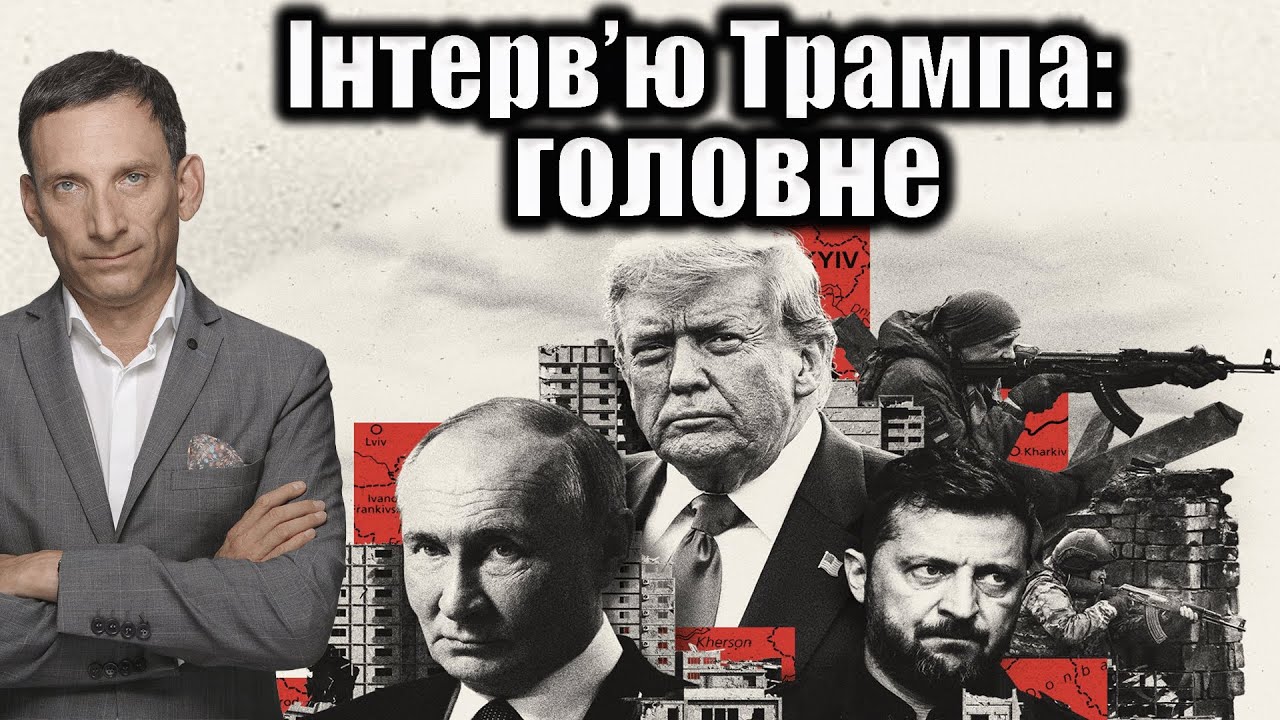
This video analyzes Donald Trump's recent statements regarding the Russia-Ukraine war and Europe, interpreting them as a reflection of his ideological alignment with authoritarian regimes and his need to appeal to his voter base. The key takeaways include:
- Trump's stance on the Russia-Ukraine war is influenced by his admiration for authoritarian leaders and a desire to appeal to his voters.
- Trump's anti-European sentiment aligns with his preference for right-wing leaders and dictatorships.
- The speaker advises against taking Trump's statements too seriously, viewing them as a smokescreen for his helplessness and self-interest.
- The end of the war depends on Putin, not on the US elections.
Trump's Interview: A Camouflage of Desires
Donald Trump, in an interview, suggested Ukraine might have to accept territorial losses to achieve peace with Russia and expressed disappointment with President Zelensky for not reviewing new US proposals. He also insisted on the need for elections in Ukraine to maintain its democratic status and criticized Europe's changing direction. However, a closer look at the interview reveals that Trump's statements lack clear thoughts regarding the Russia-Ukraine war. Instead, he uses vague phrases to mask his true desires, reflecting a pattern familiar from his time as president.
Trump's Pro-Russian Bias and Anti-European Sentiments
Trump believes Russia should win due to its size but doesn't explain why it hasn't happened yet. While he suggests addressing this to Putin, he also implies the US won't abandon Ukraine, without clarifying why, likely due to the majority of his voters supporting such aid. Trump's anti-European sentiment is evident as he praises leaders like Orbán and admires a world led by the far-right, reminiscent of the 1930s in Europe or recent Latin American dictatorships, such as Milei from Argentina.
Ideological Intensification and Trump's Values
Trump's antipathy towards Europe explains his alignment with Russia over Ukraine. He is ideologically distant from European values shared by Ukraine, which aspires to join the EU. Trump's ideal involves dictatorships and regimes that suppress citizens' alternatives, contrasting with Ukraine's fight for a liberal, democratic, and sovereign Europe. Trump's applauding of Putin is a symbol of his values.
Dealing with Trump's Statements and Pressure
There are no conditions under which Russia will end the war in the foreseeable future, making a peace agreement unlikely in the coming years. A ceasefire would only occur if both sides are too exhausted to continue fighting, primarily affecting Russia as the aggressor. Trump's statements should be seen as a stream of consciousness camouflaging his helplessness, irrationality, and shortsightedness. As the US election campaign progresses, Trump will become more cautious in his pressure on Ukraine to appeal to voters who disapprove of his anti-Ukrainian behavior.
Waiting Out the Storm and Avoiding Illusions
The current situation with Trump should be weathered without fostering illusions about ending the war, as it depends on Putin, not Trump. It is hoped that economic pressure on Russia will eventually take effect.

