
Brief Summary
This video presents six essential facts about Juneteenth that are often overlooked. It emphasizes the importance of understanding the true history surrounding Juneteenth and encourages its celebration while also acknowledging lesser-known truths about slavery and freedom in the United States.
- Juneteenth marks the end of slavery for many African Americans in 1865.
- Important events leading to Juneteenth include the actions of General Butler and the Contraband ruling.
- The Emancipation Proclamation and subsequent legislative measures contributed to the liberation of enslaved individuals.
Understanding Juneteenth
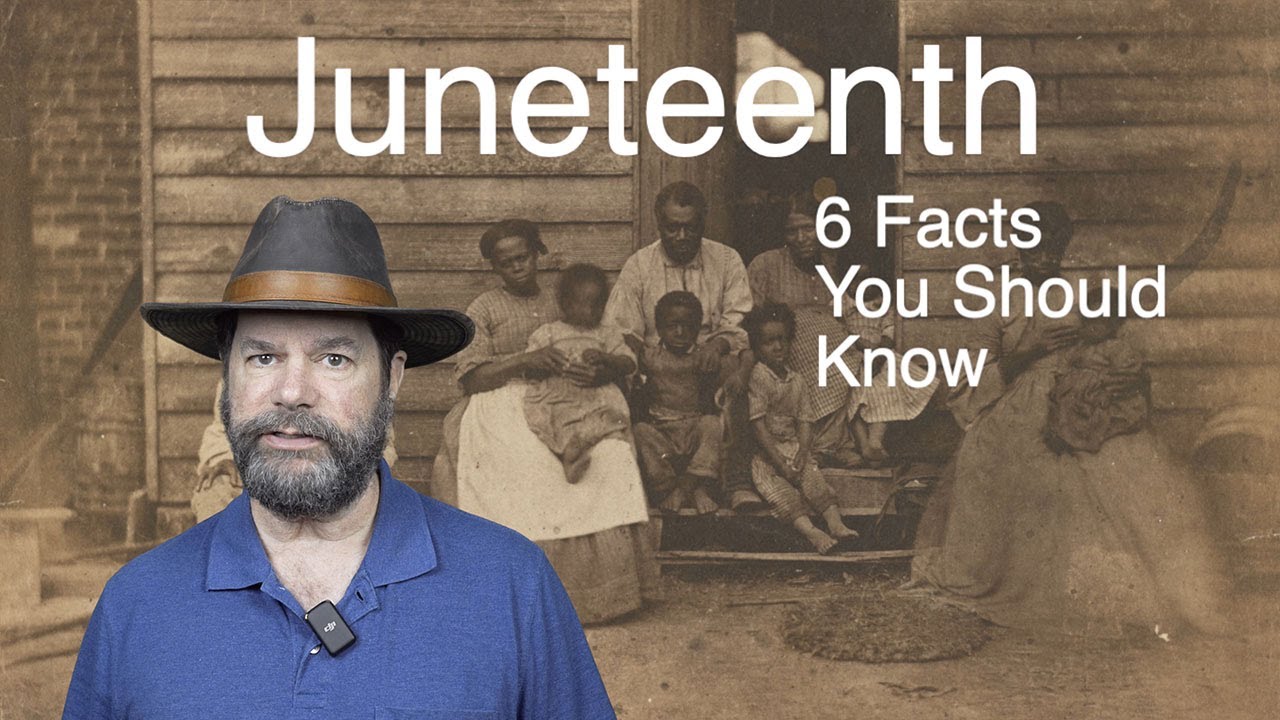
Juneteenth celebrates the freedom of African Americans from slavery, specifically marking General Granger’s arrival in Galveston, Texas, in June 1865, where he issued an order to free slaves. This day is significant to many, but it's also essential to understand the full context and history behind it.
The Beginning of Freedom
The first fact highlights an event from May 1861 at Fort Monroe in Virginia, where General Butler deemed three escaped slaves as "Contraband of War," leading to their freedom as they were being used against the United States. This decision resulted in many slaves seeking freedom, sparked by news of these initial three.
The Confiscation Act
The second fact discusses the Confiscation Act of August 1861, which allowed the federal government to seize property, including slaves, that were used against it during the Civil War. This legal decision further encouraged enslaved individuals to escape to Union camps for their freedom, significantly impacting the struggle for liberation.
Emancipation Proclamation
The third fact explains the significance of the Emancipation Proclamation issued by Lincoln on January 1, 1863, which declared freedom for slaves in rebelling territories. While this proclamation led to the liberation of many, it required a Union victory to take full effect.
Population Context in Galveston
The fourth fact provides context about Galveston's population in 1860, where only about 1,200 enslaved individuals were present. This comparison reveals that the earlier victories against slavery were instrumental in freeing a larger number of enslaved people than those in Galveston on Juneteenth.
Continuing Impact of Slavery
The fifth fact highlights that a significant number of enslaved individuals in Texas remained unaware of their freedom even after the Union Army arrived. This underscores how the awareness of emancipation was slow to spread across the country.
End of Slavery Not Recognized
The sixth and most critical fact asserts that the Emancipation Proclamation and the end of the Civil War did not immediately abolish slavery across the United States. Two northern states, Delaware and Kentucky, continued to allow slavery until December 1865, which complicates the narrative that the North was entirely opposed to slavery. The video advocates for recognition of December 18 as a significant date for ending slavery, emphasizing current issues like human trafficking that continue to exist today.

