
Brief Summary
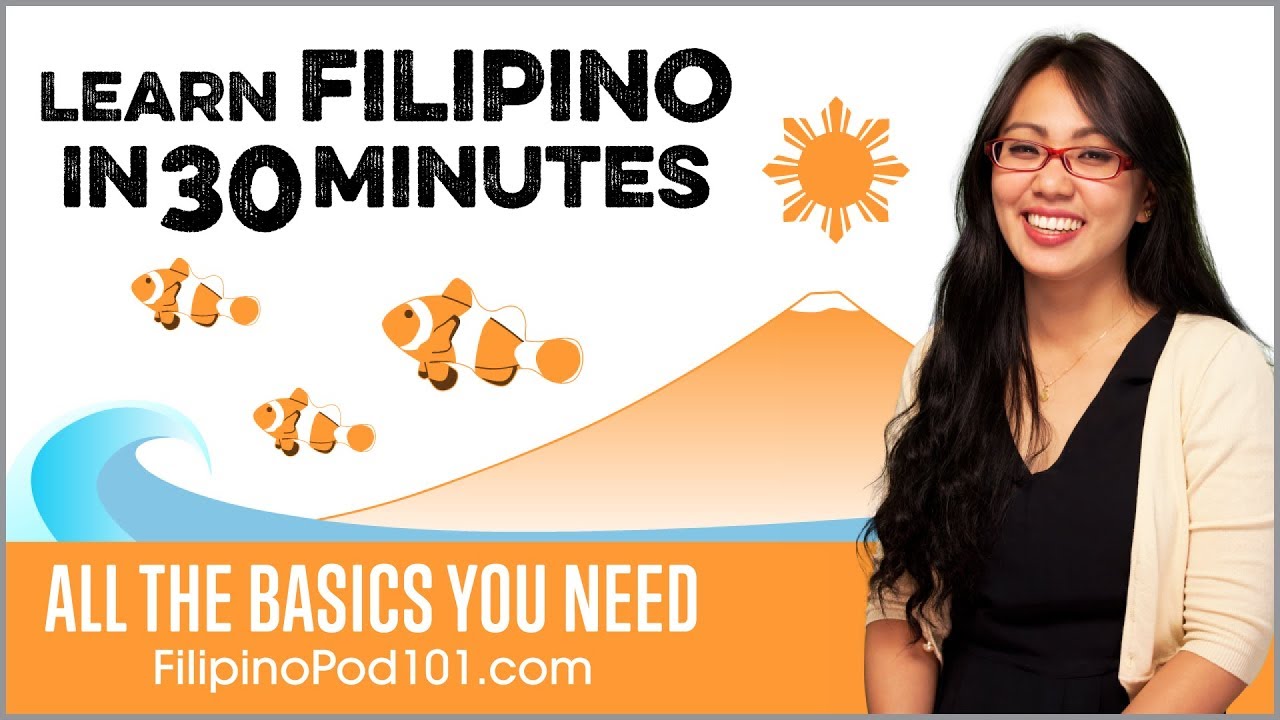
This video from FilipinoPod101.com teaches viewers basic Filipino expressions, including introductions, manners for thanking and apologizing, common greetings, numbers, and shopping phrases. Each lesson is designed to help learners quickly grasp essential Filipino phrases in a fun and engaging way.
- Introductions in both informal and formal contexts.
- Key phrases for thanking and apologizing.
- Common greetings and their formalities.
- Basic counting from 1 to 999 in Filipino.
- Essential shopping phrases to use in the Philippines.
Learning Basic Filipino Expressions
The video begins with a warm welcome from Erica, who introduces the format of the series, promising to teach basic Filipino expressions in three minutes. The first lesson focuses on how to introduce oneself in Filipino. Erica provides step-by-step instructions: starting with a friendly "kamusta" (how are you), followed by "ako si" (I am) with your name, and concluding with "masaya akong makilala ka" (it's nice to meet you). She differentiates between informal and formal introductions, noting the importance of politeness markers like "po" and "opo" used when addressing older people.
Saying Thank You
In this chapter, viewers learn how to express gratitude in Filipino. The word for thank you is "salamat," and a more emphatic version is "maraming salamat," meaning "thank you very much." When thanking someone older, the formal "salamat po" should be used to show respect. Erica explains how to respond to thanks with "walang anuman," meaning "it's nothing," and emphasizes that understanding the nuances of informal and formal language is key to politeness in Filipino culture.
Common Greetings in Filipino
This part introduces various greetings used when meeting people in the Philippines. "Kamusta" serves as a greeting equivalent to "hi," while "magandang araw" means "good day." More specific greetings include "magandang umaga" for good morning and "magandang gabi" for good evening. Erica points out that adding "po" makes these phrases more formal when speaking to elders. The chapter also covers farewells in Filipino, like "sige, mauna na ako" (all right, I’ll go ahead) and "hanggang samuli" (see you again).
Asking If Someone Speaks English
In this chapter, Erica teaches how to ask if someone speaks English in Filipino. The informal way to ask is "marunong ka bang mag-Ingles?" and the more formal version changes "ka" to "kayo," incorporating "po" for politeness. Erica highlights that the phrase is useful because many Filipinos understand English, and being polite increases the likelihood of successful communication.
Apologizing in Filipino
This chapter focuses on apologizing in Filipino. The phrase "mawalang galang" means "excuse me," and is used when interrupting someone. In informal situations, saying "pasensya" can express a more heartfelt apology. The formal equivalent requires the addition of "po." Erica notes that politeness is essential in Filipino culture, and using "po" in these phrases can convey respect.
Numbers in Filipino
Viewers learn how to count in Filipino from 1 to 999 in this lesson. Erica breaks down the numbers and explains the structure of counting, including the use of connectors "na" and "ng" depending on the preceding consonants or vowels. She provides examples and encourages repetition to help solidify the learning of numbers.
Shopping in the Philippines
In the final chapter, Erica teaches phrases necessary for shopping in the Philippines. "Magkano ito?" means "how much is this?" and is often followed by the respectful titles "ate" or "kuya" when addressing shopkeepers. She explains how to specify items and includes tips for haggling politely in markets, particularly the phrase "may bawas po ba?" which means "is there a discount?"

