
Brief Summary
The video explains how fish use swim bladders to control their buoyancy in water, similar to how scuba divers use buoyancy compensators. It describes the two types of swim bladders, open and closed, and how they function to help fish maintain depth without excessive energy expenditure. The video also touches on alternative buoyancy strategies used by fish without swim bladders.
- Fish use swim bladders to control buoyancy.
- There are two types of swim bladders: open and closed.
- Some fish use other strategies to manage their buoyancy or prefer to stay on the bottom.
Introduction to Swim Bladders
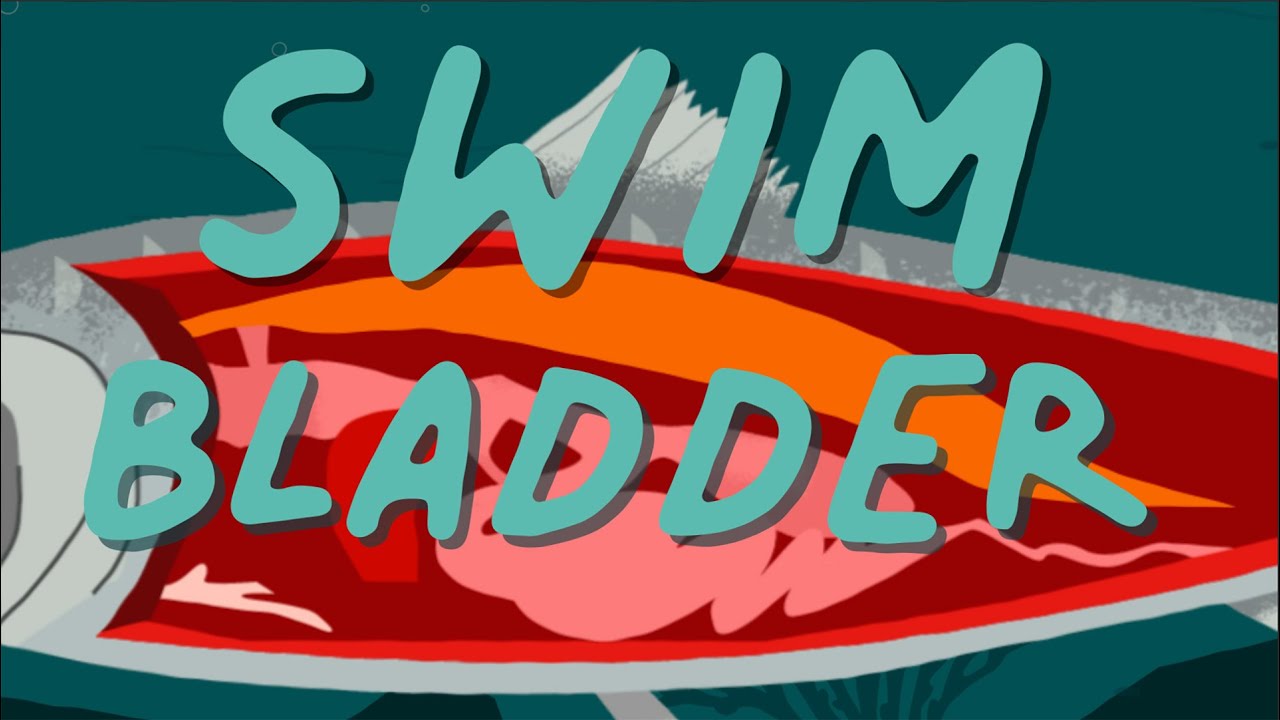
Scuba divers use a buoyancy compensator, a gas-filled device, to maintain their position underwater. Fish possess a similar internal organ called a swim bladder. The swim bladder allows fish to remain at a specific depth without wasting energy.
How Swim Bladders Work
A swim bladder works by expanding when filled with gas, increasing buoyancy and causing the fish to float upward. Conversely, when the swim bladder deflates, the fish becomes less buoyant and sinks. This inflation and deflation process allows fish to control their vertical position in the water.
Types of Swim Bladders: Open and Closed
There are two main types of swim bladders: open and closed. Open swim bladders are connected to the gut, allowing fish to gulp air at the surface to inflate the bladder and expel excess gas to sink. Closed swim bladders, however, have no connection to the outside and require fish to diffuse gas to and from their blood to control inflation and deflation.
Fish Without Swim Bladders
Not all fish have swim bladders. Some species employ alternative methods to manage their buoyancy, while others prefer to remain at the bottom and do not require buoyancy control.

