
Brief Summary
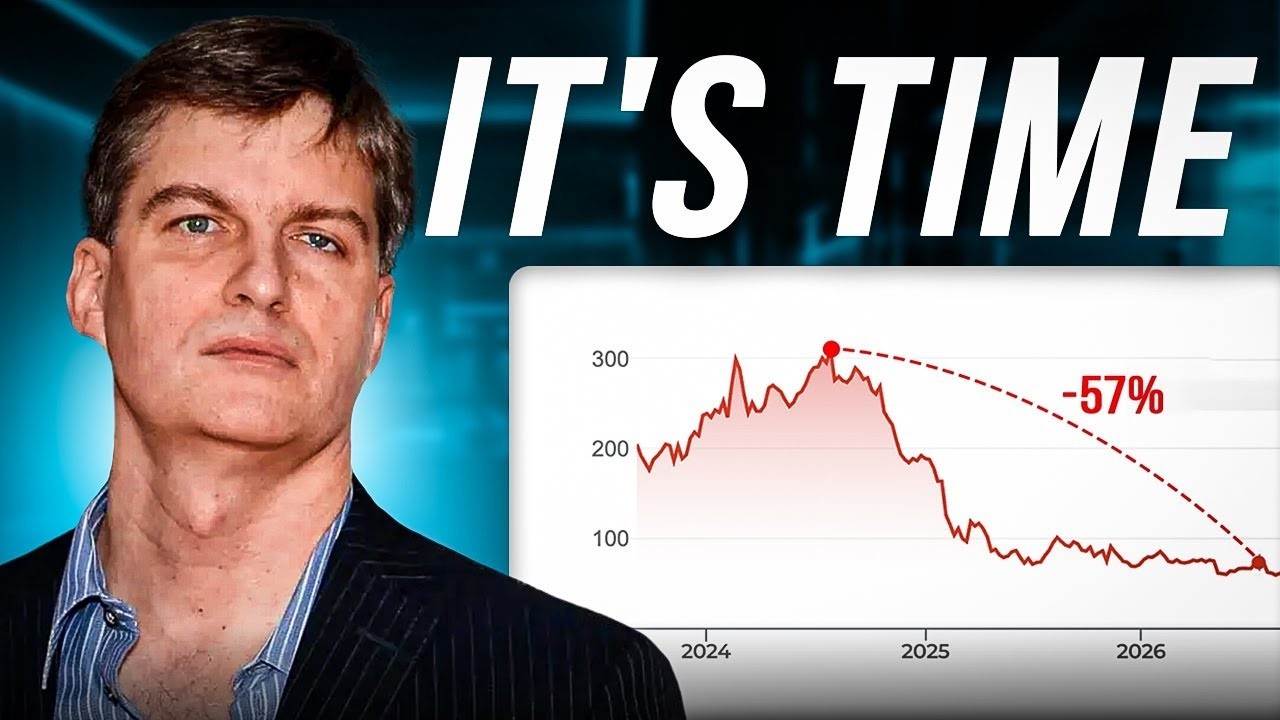
The video discusses concerns in the AI market, particularly focusing on investor Michael Bur's prediction of a potential bubble in AI spending that could lead to an economic downturn. It highlights the hidden $3 trillion in commitments from tech companies not represented on their balance sheets, precariously funded through debt. The chapter outlines Bur's strategies in betting against AI and semiconductor companies and the warning signs investors should watch for.
- Bur predicts a significant downturn in the AI market due to unsustainable debt levels.
- The video reveals $3 trillion in hidden spending by AI companies and the implications of off-balance-sheet liabilities.
- Warning signs for investors include reliance on debt for growth, potential capacity issues, and rising interest rates.
The AI Bubble: Overview
A recent report from the Wall Street Journal has revealed that AI spending on chips and data centers has far surpassed what investors have anticipated, pointing to hidden spending of $3 trillion. This raises concerns about the sustainability of high valuations in companies like Nvidia and Palantir, which have seen dramatic increases in their stock prices in recent years. Investor Michael Bur claims that the AI sector may be a bubble poised to collapse, taking the economy with it. Bur is actively positioning his portfolio for a potential downturn, taking strong short positions against major AI players.
Michael Bur's Predictions
Michael Bur, known for predicting the housing market crash, is skeptical about the current surge in AI valuations. He has returned to the public eye with an updated investment strategy, including short positions against major companies in the AI industry. His biggest focus is shorting the SOXX semiconductor ETF, betting against the overall chip market rather than individual firms. Bur's strategy suggests he sees vulnerability in the AI supply chain and is also taking negative positions in large tech stocks represented by the QQQ ETF.
Debt Issues in the AI Sector
The video emphasizes the growing concern regarding off-balance-sheet liabilities that major AI companies have. Many companies have incurred significant future obligations—like long-term leases for data centers—not listed as liabilities, which masks the real financial exposure. The hidden liabilities can amount to trillions of dollars, raising alarms for Bur, who argues that such off-balance-sheet arrangements may lead to significant risks in the market when these commitments come due.
The Interconnectedness of AI Companies
Bur's second major concern is the amount of debt being integrated into the AI market, which is already less stable than it should be. With companies like Nvidia making substantial commitments to back financial assurances for firms such as OpenAI, there’s a risk of over-reliance on future growth that may not materialize. These arrangements involve multiple companies intertwined, creating a precarious financial environment where failure in one might endanger the entire network.
Warning Signs for Investors
Bur identifies specific warning signs that investors should monitor to assess the health of AI stocks. These include a slowdown in customer usage of computing services, difficulties in obtaining new loans for expansion, and a rapid rise in interest rates that could elevate borrowing costs. These indicators could signify whether high-growth AI companies are at risk and should be a focus for potential selling activity.
Risk of a Broader Market Downturn
The extensive involvement of AI stocks in the S&P 500 makes any significant downturn in the AI market a potential threat to the broader economy. Bur warns that with many investors engaged in margin trading—borrowing money to invest—the risk of a market crash could exacerbate as those needing to cover losses might sell stocks rapidly, potentially creating a feedback loop of declining prices.
Preparation Strategies for Investors
In response to the potential market concerns, the video provides strategies for protecting investments. Firstly, investors are advised to reduce margin debt to limit exposure in a downturn. Secondly, it’s suggested to reevaluate portfolio allocations to avoid overexposure to large tech companies. Thirdly, staying calm and avoiding panic selling is encouraged, emphasizing the historical trend of market recovery over the long term and the importance of having a solid investment strategy.

