
Brief Summary
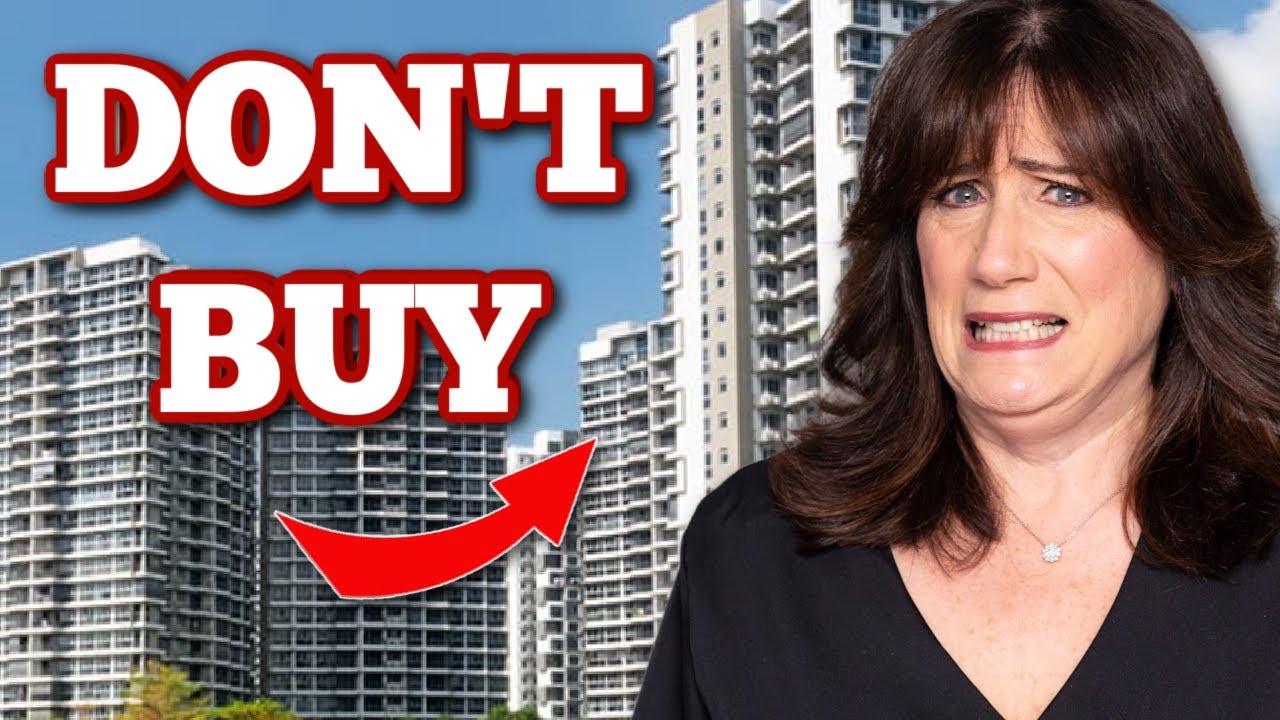
This video discusses why buying a condominium might not be a good investment. It covers several drawbacks, including high and rising HOA fees, restrictions and rules imposed by condo associations, the potential for special assessments, noise and lack of privacy, and challenges with appreciation and resale. The video concludes with tips for those who must buy a condo, focusing on financial investigation and awareness of rental situations within the building.
- High and rising HOA fees can make condos unaffordable.
- Restrictions and rules limit freedom in decorating and renovations.
- Special assessments can lead to unexpected and large expenses.
- Noise and lack of privacy due to thin walls and shared spaces.
- Slower appreciation and resale challenges compared to single-family homes.
Introduction
The video starts by questioning the safety and affordability of investing in condominiums, suggesting that condos are receiving negative attention and may not be as affordable as commonly believed. The presenter outlines the topics to be covered, including HOA fees, rules, restrictions, and provides tips for those who must purchase a condo despite the drawbacks.
High HOA Fees
The first major drawback of buying a condo is the high and rising Homeowners Association (HOA) fees. Examples from Florida, Minnesota, and Colorado illustrate significant increases in HOA fees, driven by rising insurance rates and other factors. In Minnesota, fees rose from $240 to $370 per month, while in Colorado, they surged from $300 to $820 per month. Some homeowners in Jacksonville, Florida, with one-bedroom condos face fees exceeding $500 per month, creating affordability challenges, especially for those on fixed incomes.
Restrictions and Rules
Condo associations often impose numerous restrictions and rules that limit homeowners' freedom. These can range from regulations on exterior decorations and flags to strict guidelines on renovations and pet ownership. The lack of freedom to decorate as desired or make renovations without adhering to strict rules is a significant drawback for many potential buyers.
Potential for Special Assessments
Special assessments are extra fees that HOAs can charge if reserve funds are insufficient. These fees can cover major repairs like repaving parking lots. Florida homeowners, in particular, face substantial special assessments due to new structural safety laws enacted after the Surfside building collapse in 2021. Some homeowners are hit with assessments as high as $100,000, creating severe financial strain and prompting many to sell their condos.
Noise and Lack of Privacy
Poor construction in many condo buildings leads to thin walls, resulting in noise issues and reduced privacy. Residents may overhear neighbors, and private activities on decks or patios can be easily overheard, diminishing the quality of life for condo owners.
Lack of Appreciation and Resale Challenges
Condos typically appreciate slower and less than single-family homes, partly because buyers prefer single-family homes to avoid HOA fees and invest in their own properties. The absence of land value in condos also contributes to slower appreciation. In January of the current year, condo sales prices rose only 6% year-over-year nationally. Resale challenges arise from a limited buyer pool and financing restrictions. For instance, buyers needing FHA loans can only purchase condos in FHA-approved buildings, limiting options for both buyers and sellers. A HUD Search tool can help determine if a condo building is FHA-approved.
Tips for Buying a Condo
For those who must buy a condo, the video offers several tips to mitigate potential financial issues. It's recommended to buy a unit on the top floor to minimize noise from above. Investigating the HOA's financials, including reserve funds, assessments, and upcoming projects, is crucial. Reviewing the history of HOA fee increases helps in financial preparation. Additionally, it's important to inquire about the management company's location and, most importantly, to determine the percentage of rentals, especially Airbnb rentals, in the building, as a high number of rentals can impact the living environment.

