
Brief Summary
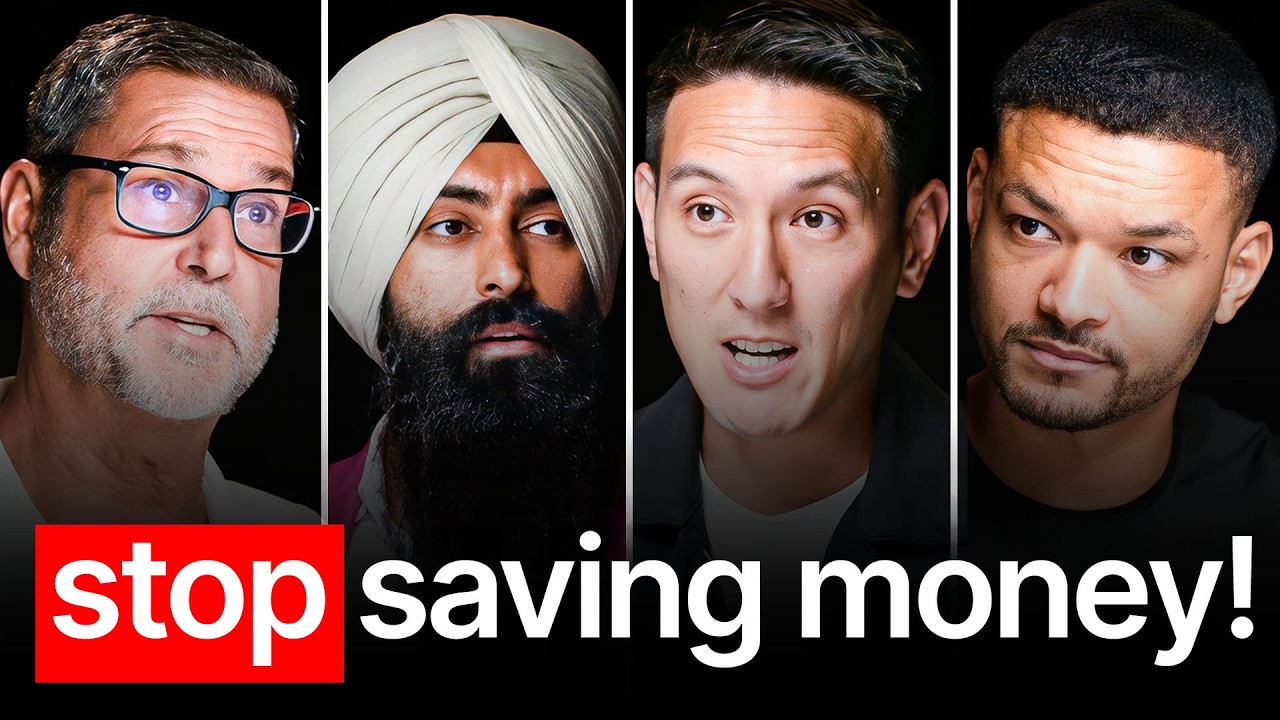
This video is a master class on wealth creation, featuring insights from three financial experts with diverse perspectives. They discuss strategies for increasing income, the importance of investing versus saving, and the emotional and psychological barriers to financial success. The conversation covers a range of investment options, from traditional stocks and bonds to cryptocurrencies, and addresses the role of debt, passive income, and geographic location in building wealth.
- Making more money requires leveraging unique skills and investing in your network.
- Saving alone is a guaranteed loss due to inflation; investing is crucial for wealth creation.
- Emotional discipline and a long-term mindset are essential for successful investing.
- Diversification and understanding risk tolerance are key to managing investments.
- Relationships and continuous education play a significant role in financial success.
Intro
The host introduces a discussion about wealth creation, highlighting common misconceptions about money and the importance of financial literacy. The panel aims to address topics such as pensions, credit cards, debt, passive income, and the mindset of wealthy individuals. They emphasize that rich people are more disciplined and invest their money wisely, while the average person often spends more on non-essential items than on investments. The conversation sets the stage for exploring various strategies and perspectives on building future wealth.
How Do I Make More Money?
The panel discusses how individuals can increase their income, emphasizing the importance of leveraging unique skills and investing in one's network. They suggest that everyone has inherent skills that can be monetized, and surrounding oneself with ambitious individuals can foster financial growth. It's crucial to identify and over-index on one's strengths, making calculated bets on oneself and one's network to build a foundation for earning and investing more.
Pointless Jobs That Actually Made You the Most Money
The speakers share experiences from seemingly pointless jobs that, in hindsight, significantly contributed to their financial success. They highlight the value of sales as a transferable skill applicable across various aspects of life, including raising investment and persuading employees. The ability to sell and effectively communicate a message is identified as a powerful tool for achieving both personal and professional goals.
How to Visualize Your Finances
The importance of visualizing one's financial future is discussed, emphasizing that a clear vision is essential for making informed financial decisions. The panel highlights that unhappiness often stems from a disconnect between one's current state and their desired future self. They suggest that this vision should be based on emotional outcomes rather than materialistic goals, focusing on feelings of security and contentment.
Social Pressure Around Money
The conversation shifts to the emotional and psychological barriers to financial success, particularly the social pressure and fear of judgment from others. The panel notes that many people avoid thinking about their finances due to stress and intimidation, often exacerbated by financial jargon and a lack of confidence. Overcoming these barriers requires acknowledging and addressing the emotional aspects of money management.
The Simple Money Tracking Hack
A practical tip for gaining control over one's finances is presented: tracking expenses for a set period. The panel emphasizes that understanding where one's money goes is crucial for identifying spending habits and creating a budget. They note that many people underestimate their monthly spending, and tracking expenses can reveal surprising discrepancies, leading to better saving and investment habits.
Best Form of Investing: Active or Passive?
The panel explores different approaches to investing, including working with a financial advisor, passive investing in the stock market (e.g., S&P 500), and active investing in individual companies or real estate. They discuss the pros and cons of each approach, noting that while active investing offers the potential for higher returns, it also carries more risk and requires more time and effort. The data suggests that passive investors often outperform active stock pickers over the long term.
More People Joining Crypto
The discussion turns to cryptocurrency, with one panelist highlighting its potential for high returns and its increasing adoption worldwide. They note that Bitcoin, in particular, has outperformed other assets in recent years, driven by technological network adoption. The panelist argues that crypto offers accessibility and the opportunity for individuals to participate in a growing technological network.
Bitcoin Is Too Speculative
The speculative nature of Bitcoin is challenged, with concerns raised about its lack of intrinsic value and its volatility. The panelist questions whether Bitcoin is essentially a Ponzi scheme, relying on new participants to drive up its price. They emphasize the importance of considering the risk-reward ratio and the potential for significant losses, especially for those who buy Bitcoin with debt or panic during market downturns.
Stocks vs Crypto
The conversation compares investing in stocks versus crypto, highlighting the differences in risk, potential returns, and investment mindset. The panelist notes that while stocks, particularly dividend-paying stocks, offer cash flow and a sense of security, crypto is more speculative and requires a higher risk tolerance. They emphasize the importance of diversifying one's portfolio and allocating investments based on individual circumstances and financial goals.
How Would You Invest $1,000?
The panel discusses how they would invest $1,000, with varying recommendations. One panelist suggests investing in oneself by acquiring new skills or knowledge, such as taking courses in AI or digital marketing. Another recommends a hybrid approach, splitting the money between the S&P 500 and individual companies. The importance of increasing one's income and saving is emphasized, regardless of the specific investment strategy.
The S&P 500 vs the Nasdaq-100
The discussion compares the S&P 500 and the NASDAQ-100 as investment options, with one panelist advocating for the NASDAQ-100 due to its higher growth potential in a digital world. They suggest a portfolio allocation of 70% NASDAQ-100 and 30% crypto for those seeking higher returns. However, they caution that the NASDAQ-100 is also more volatile and requires a willingness to withstand market downturns.
Dollar Cost Averaging Explained
The concept of dollar-cost averaging is explained as a strategy for mitigating risk and removing emotion from investment decisions. By investing a fixed amount of money at regular intervals, regardless of market conditions, investors can lower their average cost over time and potentially achieve better returns. This approach is particularly useful for volatile assets like crypto, as it allows investors to buy more during downturns and benefit from subsequent rallies.
Removing Emotion from Financial Decisions
The importance of removing emotion from financial decisions is emphasized, with the panel noting that panic and fear often lead to poor investment choices. They suggest setting up a system that requires minimal decision-making, such as dollar-cost averaging, to avoid impulsive reactions to market fluctuations. The panel highlights that the best-performing brokerage accounts often belong to deceased individuals who are unable to make any trades.
Should We Be Putting Everything into Crypto?
The panel debates whether individuals should allocate all their investments to crypto, with one panelist advocating for a diversified portfolio that includes top crypto projects. They argue that crypto outperforms other assets due to macroeconomic factors and technological adoption. However, they caution that this approach is not suitable for everyone and that individuals should carefully consider their risk tolerance and financial situation.
If Crypto Isn’t the Future, What Takes Its Place?
The panel explores potential future scenarios in which crypto may not be the dominant force, speculating that AI could create a new system of money or that geopolitical factors could shift the landscape. They discuss the potential for AI and robotics to drive economic growth and the need for humans to adapt and retool to remain relevant in a world of abundance. The panelist highlights that the economic model breaks down after 2030.
What to Do When You're in Debt
The panel addresses the issue of debt, particularly high-interest debt, and offers advice for individuals struggling to manage their finances. They emphasize the importance of reducing expenses, prioritizing debt repayment, and considering selling assets to alleviate the burden. The panel also discusses the option of bankruptcy as a means of clearing debt and starting over, noting that it can provide mental relief and force disciplined financial habits.
Bankruptcy: When Should Someone Consider It?
The panel discusses the circumstances under which bankruptcy should be considered, weighing the trade-offs and long-term implications. They note that while bankruptcy can negatively impact one's credit score for several years, research suggests that individuals who file for bankruptcy often end up in a better financial position than those who try to avoid it for prolonged periods. The panel emphasizes that bankruptcy can provide immediate mental relief and force individuals to adopt disciplined financial habits.
Alternatives to Filing for Bankruptcy
The panel explores alternatives to bankruptcy, emphasizing the need for extreme sacrifices and quick changes in spending habits. They suggest cutting back expenses, selling assets, and finding additional sources of income to address debt. The panel highlights that achieving significant financial change requires a willingness to do what the majority of people are not willing to do.
The Myth of Passive Income
The panel challenges the notion of passive income, arguing that it is often romanticized and misunderstood. They emphasize that all forms of income require effort and risk, and that there is no magic formula for generating wealth without work. The panel cautions against the allure of social media dreams of passive income and highlights the importance of understanding the true costs and responsibilities associated with various income streams.
How Profitable Are Property Investments?
The panel discusses the profitability of property investments, particularly rental properties, and the challenges associated with managing them. They note that while real estate can be a source of passive income, it also requires expertise, time, and effort to manage effectively. The panel highlights the importance of finding good property managers and understanding the risks and responsibilities involved in owning rental properties.
Should You Buy Rental Properties for Passive Income?
The panel debates whether individuals should buy rental properties as a source of passive income, with one panelist advising against it due to the steep learning curve and capital requirements. They suggest that the stock market is a more liquid and accessible place to get started. The panel emphasizes the importance of understanding one's own capabilities and risk tolerance before investing in real estate.
Why More People Are Renting in the U.S.
The panel explores the trend of more millionaires renting in the United States, attributing it to factors such as flexibility, liquidity, and the inconveniences of homeownership. They note that high real estate taxes, insurance costs, and interest rates have priced many people out of the market. The panel also highlights the importance of considering the opportunities and trade-offs associated with renting versus owning.
Is Property a Good Way to Build Wealth?
The panel discusses whether buying a property is a good way to build wealth, noting that it is often viewed as a traditional path to financial security. However, they caution against treating a primary residence as an investment, emphasizing that it is primarily an expense. The panel highlights the importance of considering the long-term costs of homeownership, such as property taxes, insurance, and maintenance, and the potential for refinancing to reset the amortization schedule.
Is There Such a Thing as Good Debt?
The panel explores the concept of good debt, defining it as debt that is used to leverage assets and generate more income. However, they caution that leverage also carries risk and that many people have been wiped out by taking on too much debt. The panel emphasizes the importance of understanding the risks and rewards associated with leverage and avoiding debt whenever possible.
Leveraging Your Current Assets
The panel discusses how individuals can leverage their existing assets, such as crypto, to generate cash flow. They explain how to borrow against crypto holdings and stake Ethereum to earn interest. However, they caution against taking on too much risk and emphasize the importance of understanding the potential for liquidation and the volatility of crypto markets.
Pensions and 401(k) Retirement Plans
The panel examines pensions and 401(k) retirement plans, discussing their benefits and drawbacks. They note that while these accounts offer tax advantages and employer matching, they also have limitations on investment options and early withdrawal penalties. The panel highlights the importance of understanding the fees associated with 401(k) plans and the potential for social security to run out of money.
Framework for Making Money More Easily
The panel discusses practical steps for improving one's financial situation, including cutting expenses, comparing insurance rates, and increasing income. They emphasize the importance of being disciplined and consistent with financial habits and avoiding unnecessary expenses. The panel also highlights the value of multiple income streams and the potential for technology to facilitate earning more money.
Why Keeping Money in the Bank Makes You Poorer
The panel emphasizes that keeping money in a bank account is a guaranteed loss due to inflation. They note that the average bank account pays very little interest, resulting in a net loss of buying power over time. The panel encourages individuals and businesses to invest their money rather than hoard cash, while also maintaining sufficient liquidity for emergencies.
What Do Rich People Know That Most Don’t?
The panel discusses what rich people know about money that the average person doesn't, highlighting their discipline, long-term mindset, and access to exclusive investment opportunities. They note that rich people often receive favorable loan terms and private placements due to their high financial activity. The panel encourages individuals to educate themselves and find ways to hack the system, such as buying Bitcoin or investing in index funds.
How Relationships Impact Financial Success
The panel emphasizes the importance of relationships in building wealth, noting that networking and helping others can lead to unexpected opportunities. They highlight the value of being around successful people and building genuine connections. The panel encourages individuals to focus on what they can put into a network rather than what they can take out, emphasizing the importance of karma and reciprocity.
Do Geographics Matter When Making Money?
The panel explores the role of geography in wealth creation, noting that certain locations offer advantages in terms of intellectual capital, capital, and lifestyle arbitrage. They discuss the benefits of living in the United States for entrepreneurial opportunities and the potential for moving to Latin America or Spain for a lower cost of living. The panel also laments the decline of the UK as a center for innovation and investment.
Is the UK a Good Place to Build Wealth?
The panel discusses the challenges of building wealth in the UK, citing factors such as regulation, a lack of entrepreneurialism, and a demographic problem. They note that the UK has lost its position as a center for finance and innovation, and that many talented individuals are moving to the US for better opportunities. The panel suggests that the UK needs to address its economic and social issues to attract investment and foster growth.
Closing Statements
In closing, the panel offers final thoughts and advice for viewers seeking to improve their financial situation. They emphasize the importance of knowing one's income and expenses, being disciplined and consistent with financial habits, and educating oneself about investing. The panel encourages viewers to take action, learn from their mistakes, and build a strong network. They also express optimism about the potential of AI and the importance of hard work and sacrifice in achieving financial success.

