
Brief Summary
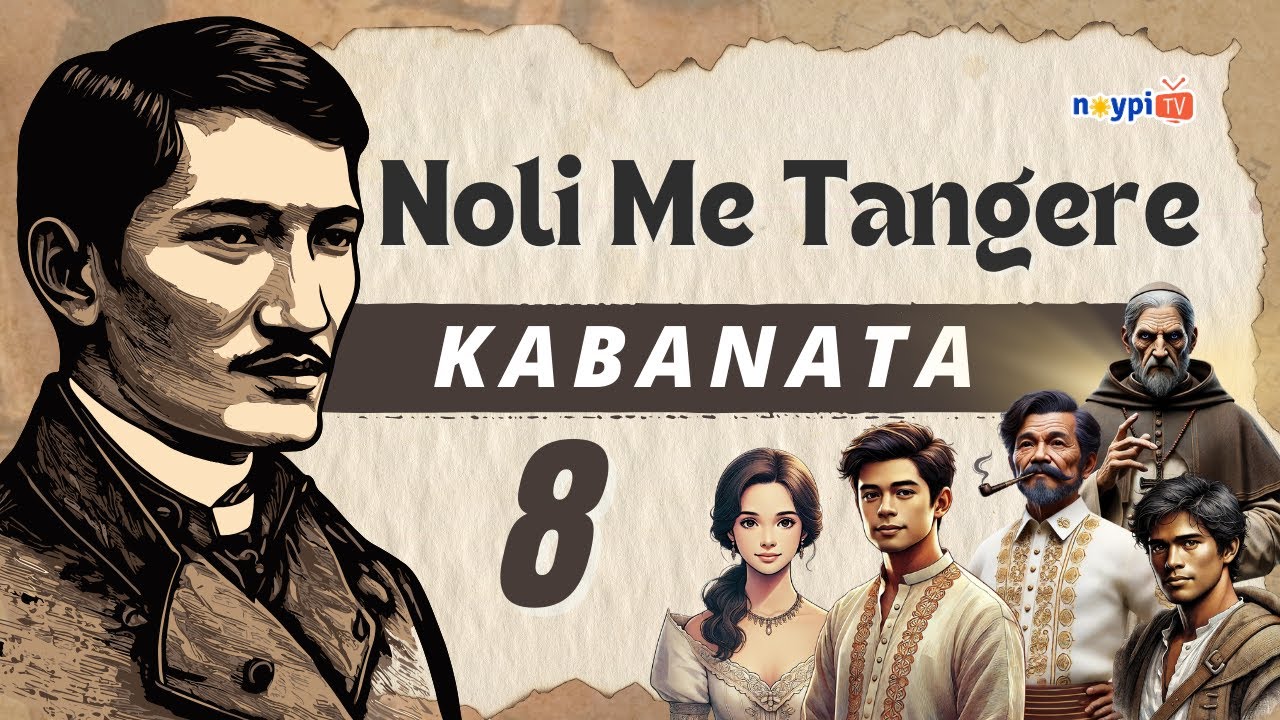
This video summarizes Chapter 8, "Memories," of Jose Rizal's "Noli Me Tangere." It covers Ibarra's journey through Manila, his reflections on the city's lack of progress, and the importance of education and national development. The summary includes key events, characters, settings, vocabulary, and the chapter's underlying messages about progress, education, and responsibility.
- Ibarra's reflections on Manila's lack of progress.
- The importance of education and sharing knowledge.
- The responsibility of those who benefit from a country to contribute to its development.
Ibarra's Journey and Reflections on Manila
Crisostomo Ibarra travels through Manila in a Kalesa, observing the surroundings and reminiscing about his youth. He notices that despite the time he has been away, Manila has hardly changed; the people, Kalesas, and shops remain the same, but the Escolta appears even worse. Ibarra recalls his teacher's words about knowledge: it is attained through heartfelt desire, should be cultivated and passed on, and should be returned by foreigners as compensation for the country's resources. He reflects on Manila's stagnation and lack of progress.
Key Events and Ibarra's Observations
Ibarra's journey highlights the lack of change in his homeland. He sees Padre Damaso in a carriage, which triggers memories of his experiences with priests. Noticing the difference between European gardens and Manila's botanical garden, Ibarra contemplates the Philippines' slow progress. He remembers his teacher's lessons on the importance of knowledge, education, and sharing it with future generations. Ibarra considers that foreigners should reciprocate the wealth they take from the Philippines with knowledge and education.
Characters in Chapter 8
The chapter features several key characters. Crisostomo Ibarra, the main character, reflects on his past and assesses the changes in his town during his Kalesa ride. Kapitan Tinong, a well-known figure in Manila, greets Padre Damaso. Padre Damaso is also present, riding in a carriage and seemingly deep in thought. Prisoners are depicted working on the roads, symbolizing abuse and poverty. The citizens of Manila, including Europeans, Chinese, and Filipinos, are busy with their daily lives, forming the backdrop of Ibarra's journey.
Setting of the Chapter
The setting of Chapter 8 is Manila, where Ibarra travels and observes. Specific locations mentioned include Escolta, Aros Eros, the botanical garden, and Bagumbayan (now Luneta Park or Rizal Park).
Vocabulary from Chapter 8
Several terms are defined:
- Alikabok (dust): fine particles floating in the air.
- Bilanggo (prisoner): a person confined in jail.
- Guardya Civil (Civil Guard): government security force.
- Bagumbayan: known as Luneta Park or Rizal Park, where Jose Rizal was shot.
- Kalesa: a horse-drawn carriage.
- Karumata: a smaller type of carriage.
- Salimbayan: intersection or crossing.
- Kargador (porter): workers who carry heavy loads.
- Nilulumot: covered in moss, indicating neglect.
- Hardin ng Botanico (botanical garden): a place for studying plants.
- Arroceros: a district known for rice trade.
- Escolta: a main street known as a commercial center during the Spanish era.
- Gusali (building): structures like houses and churches.
Lessons and Implications
The chapter conveys several important lessons. The progress of a nation is reflected not only in material wealth but also in the quality of education and knowledge shared among its citizens. Reflecting on past experiences is crucial for understanding the present state of a place or nation. Knowledge is a valuable asset that should be pursued and cultivated for the benefit of future generations. Neglect in a town, as observed by Ibarra in Manila, indicates a lack of genuine progress and development. Those who reside in or take resources from a place have a responsibility to contribute to the education and knowledge of its people.

