
Brief Summary
The Middle East war is causing oil shortages, potentially leading to panic, economic recession, and stock market crashes. The Strait of Hormuz is being choked, with threats to oil tankers and insurance companies refusing coverage, creating a global fuel crisis, especially in Asia. Iran demands the US withdraw from the Middle East, lift sanctions, and provide reparations before negotiating. The US is temporarily lifting sanctions on Iranian oil to ease pressure, a move that is seen as contradictory. Rationing plans are being considered in Europe, and some countries are turning to coal. Thailand and Laos are already experiencing shortages, while others like Myanmar, Vietnam, and the Philippines are at risk. The oil crisis is expected to increase food costs and aviation expenses, impacting tourism.
- Oil shortages are emerging in countries heavily dependent on Middle Eastern oil, impacting various sectors.
- Iran is leveraging the situation, demanding significant concessions from the US before negotiating.
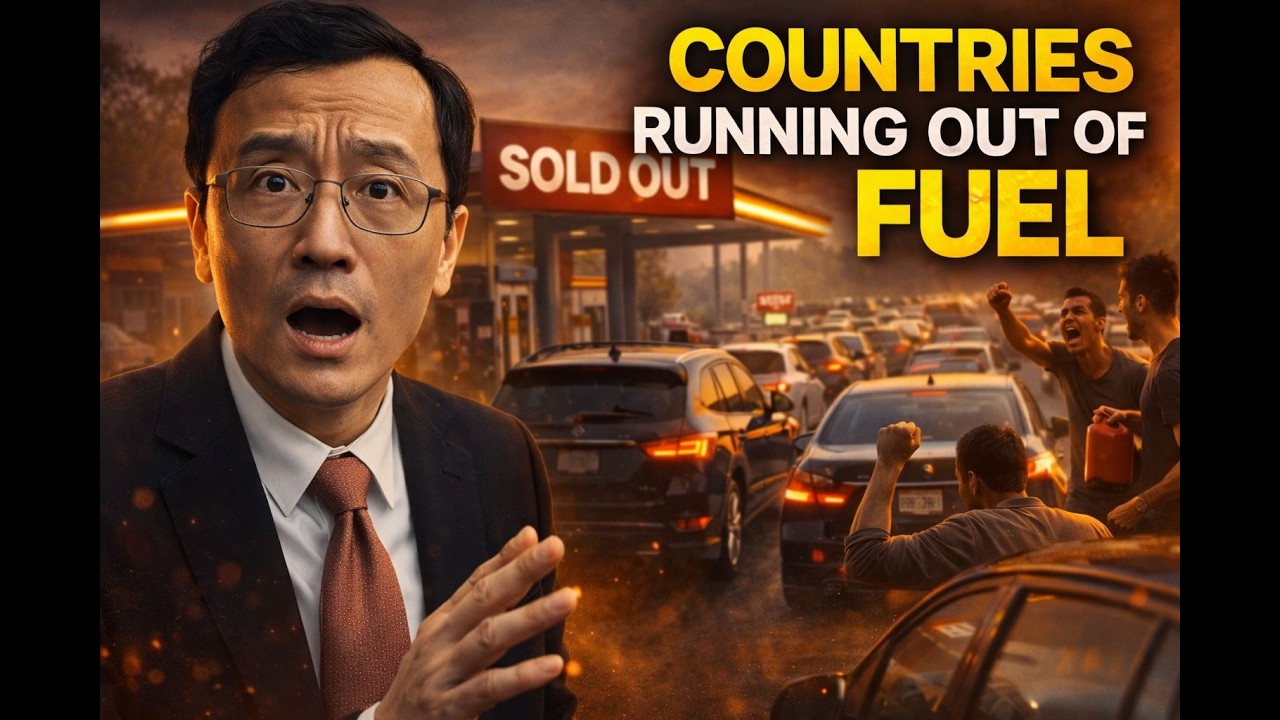
- Some countries are already experiencing severe fuel shortages, leading to drastic measures like gas station closures and price hikes.
Introduction: The Looming Oil Crisis
The Middle East war is escalating into an oil shock, causing shortages in many countries and potentially leading to panic, economic recession, and stock market crashes. The situation is serious because many countries depend on Middle Eastern oil, and shortages can affect entire economies. The world's most dangerous energy choke point, the Strait of Hormuz, is now being choked, with threats to oil tankers and insurance companies refusing to insure them.
Iran's Demands and the US Response
Iran is firm on not negotiating until the US withdraws from the Middle East, lifts all sanctions, and provides reparations for the damage caused. The US, under Trump, is temporarily lifting sanctions on Iranian oil, allowing allies to buy it, in an attempt to ease the pressure. This move is seen as contradictory, as it funds the enemy. The released 140 million barrels of oil is only enough for 1.5 days of global consumption, so it won't significantly alleviate the shortages.
Global Impact and Rationing Measures
Ministers across the world, especially in Europe, are considering plans to ration oil, petrol, and diesel. Some countries are turning to coal, which could benefit coal-producing countries like Indonesia, but it is bad for the environment. Oil prices and petrol/diesel prices are rising significantly, even in Malaysia, where oil is typically cheap.
Countries Facing Energy Shortages
Thailand and Laos are facing serious energy problems, with others showing signs of shortages. China and Japan have large oil reserves and can last a long time. Laos is already suffering shortages, with 40% of gas stations closed and diesel prices up by 50%. Thailand is also experiencing shortages, with taxis at Bangkok airport being significantly affected. Myanmar, Vietnam, and the Philippines are also at risk.
Economic Spillover and Aviation Shock
The oil crisis will increase food costs due to the impact on fertilizer production and exports from the Middle East. The aviation sector is experiencing a shock, with economy class tickets from Europe to Singapore costing almost $5,000. This will affect tourism, with fewer tourists traveling due to high air ticket prices.
Future Scenarios and Analysis
If the Strait of Hormuz remains choked, there could be various scenarios, including a worst-case scenario similar to the 1973 oil crisis. There is also a possibility that Trump could concede to Iran's demands, leading to a resolution. It's important to analyze historical events and prepare for different possibilities, including a sharp rebound if the situation improves.

