
Brief Summary
This episode of "Our Planet" explores the vital role of jungles in the health of the planet, showcasing the unique biodiversity found in the Congo, New Guinea, Borneo, the Philippines, and the Amazon. It highlights the threats these ecosystems face, including poaching, deforestation, and the expansion of monoculture plantations like oil palm, which endanger countless species, including gorillas, elephants, birds-of-paradise, orangutans and more. The episode emphasizes the urgent need for conservation to protect these invaluable habitats and the diverse life they support.
- Jungles are the richest habitats on Earth, housing millions of species.
- Each jungle has a unique cast of characters shaped by its age and geological history.
- Deforestation and habitat loss are major threats to jungle ecosystems and their inhabitants.
- Conservation efforts are crucial to protect these invaluable habitats and the planet's biodiversity.
Introduction to Jungles
The episode begins by highlighting the significance of jungles as the richest habitats on Earth, teeming with millions of species, many of which are still being discovered. Jungles, despite covering only seven percent of the world's land area, play a vital role in the planet's health. The Congo, New Guinea, Borneo, the Philippines, and the Amazon are showcased as examples of diverse jungle ecosystems, each with its unique characteristics and inhabitants.
The Congo: A Jungle of Giants
The Congo is introduced as the planet's youngest rain forest, approximately 18,000 years old, and home to a large population of big animals. The life of a lowland gorilla family, led by a dominant silverback, is examined, emphasizing the threats they face from poaching, which has significantly reduced their population. Forest elephants, also vulnerable to poaching for their tusks, are shown following ancient paths in search of food. Both gorillas and elephants play crucial roles as seed dispersers, contributing to the health and diversity of the forest. Mbeli Bai, a protected clearing within the Congo, is highlighted as a vital gathering place for various species, offering refuge from poaching and a chance for social interaction.
New Guinea: Island of the Bizarre
New Guinea, the world's largest jungle-covered island, is presented as a land of unique biodiversity, with more than half of its plants and animals found nowhere else on Earth. The island's turbulent geological past has shaped its dramatic landscape and isolated species, leading to the evolution of bizarre and unique creatures. The male twelve-wired bird-of-paradise, with its distinctive tail ornaments, and the black sicklebill, capable of morphing into unusual shapes, are showcased as examples of New Guinea's extraordinary avian diversity. The elaborate courtship display of the western parotia, involving meticulous court maintenance and a carefully choreographed routine, is highlighted as a testament to the island's unique evolutionary adaptations.
Borneo: Ancient Jungles
The jungles of Borneo, in Southeast Asia, are revealed to be the oldest on Earth, dating back nearly 130 million years. The great age of this island's jungle is illustrated by the presence of the velvet worm, one of the oldest predators on Earth, which has remained virtually unchanged since the age of the dinosaurs. The high humidity of the forest floor supports a rich diversity of fungi, which play a crucial role in recycling nutrients. Borneo's jungles are extraordinarily rich and diverse, with a high concentration of plant species, including specialized pitcher plants that rely on animals for nutrients. The symbiotic relationships between pitcher plants and animals, such as the mountain treeshrew and the woolly bat, are highlighted as examples of the intricate ecological interactions that have evolved over millions of years.
The Philippines: A Last Refuge
The episode shifts focus to the Philippines, where 90 percent of the primary rain forest has been lost, leaving the remaining forests as the last refuge for the critically endangered Philippines eagle. The story of a young eagle chick is followed, highlighting the challenges it faces in learning to fly and hunt in a fragmented forest. The chick's journey to independence is fraught with danger, as it must navigate a landscape with too little prey for a supersized eagle.
The Amazon: A World of its Own
The Amazon basin, home to half of the planet's remaining rain forest, is presented as a vast and diverse ecosystem. Black spider monkeys are shown visiting a salt lick, highlighting the importance of minerals in the Amazon's interior. The ever-present threat of predators, such as jaguars, forces the monkeys to remain vigilant. The Amazon is home to an unparalleled diversity of species, including frogs and insects. Leafcutter ants, with their massive colonies and complex social structure, are highlighted as key players in the ecosystem, harvesting leaves to cultivate fungus gardens. The parasitic Cordyceps fungus, which controls the behavior of ants, is showcased as a natural check and balance that prevents any one species from dominating the ecosystem.
The Threat to Jungles: Palm Oil Plantations
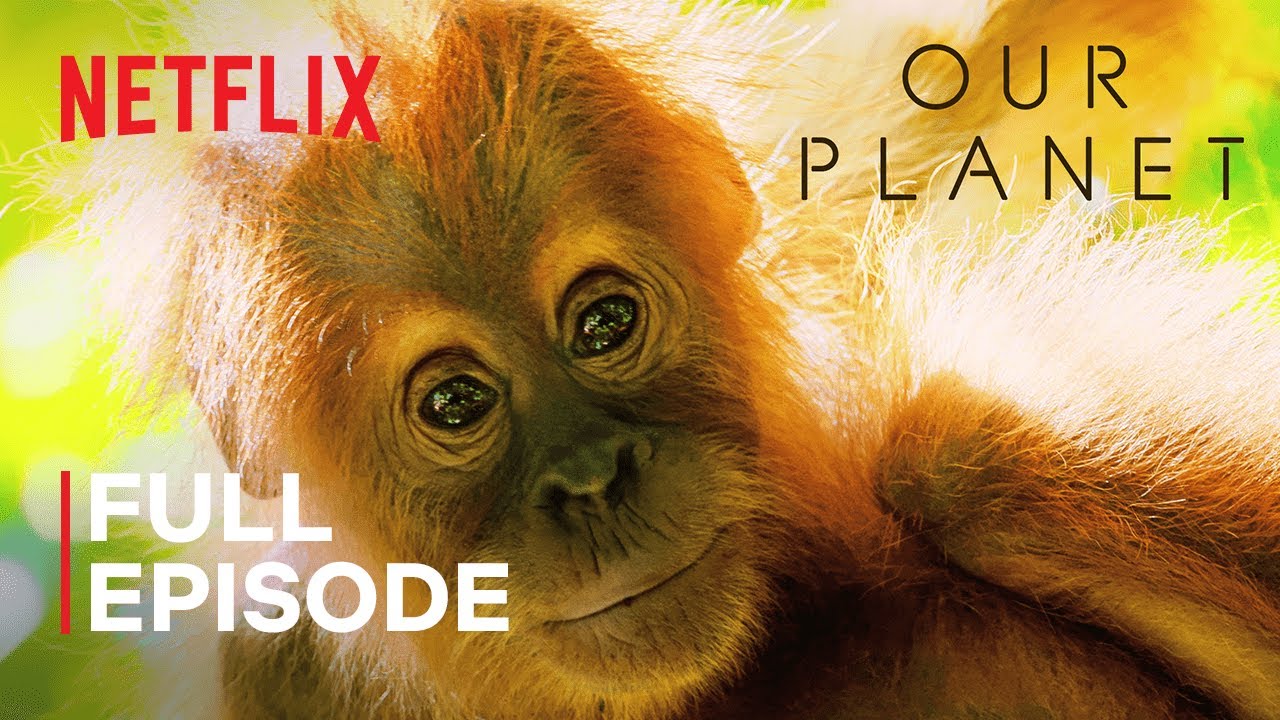
The episode addresses the alarming rate at which the world's rain forests are being lost, primarily due to human activities. The expansion of oil palm plantations, which replace diverse jungle ecosystems with monocultures, is identified as a major threat to biodiversity. In the swamp forests of northern Sumatra, Indonesia, the orangutan faces extinction due to habitat loss. The long education and dependence of orangutans on their mothers make them particularly vulnerable to these changes. The story of Ellie and her baby, Eden, is followed, highlighting the importance of learning essential survival skills. The episode emphasizes the urgent need to protect orangutans and their habitat, as their generation could be the last wild orangutans.
Conclusion: The Need for Conservation
The episode concludes by emphasizing the critical role of jungles in storing carbon, cooling the planet, and providing food and medicines. The loss of tropical forests at a rate of nearly 15 million hectares per year is a major threat to the planet's biodiversity and overall health. The episode urges viewers to visit ourplanet.com to learn more about what can be done to protect our jungles and ensure a sustainable future for both people and nature.

