
Brief Summary
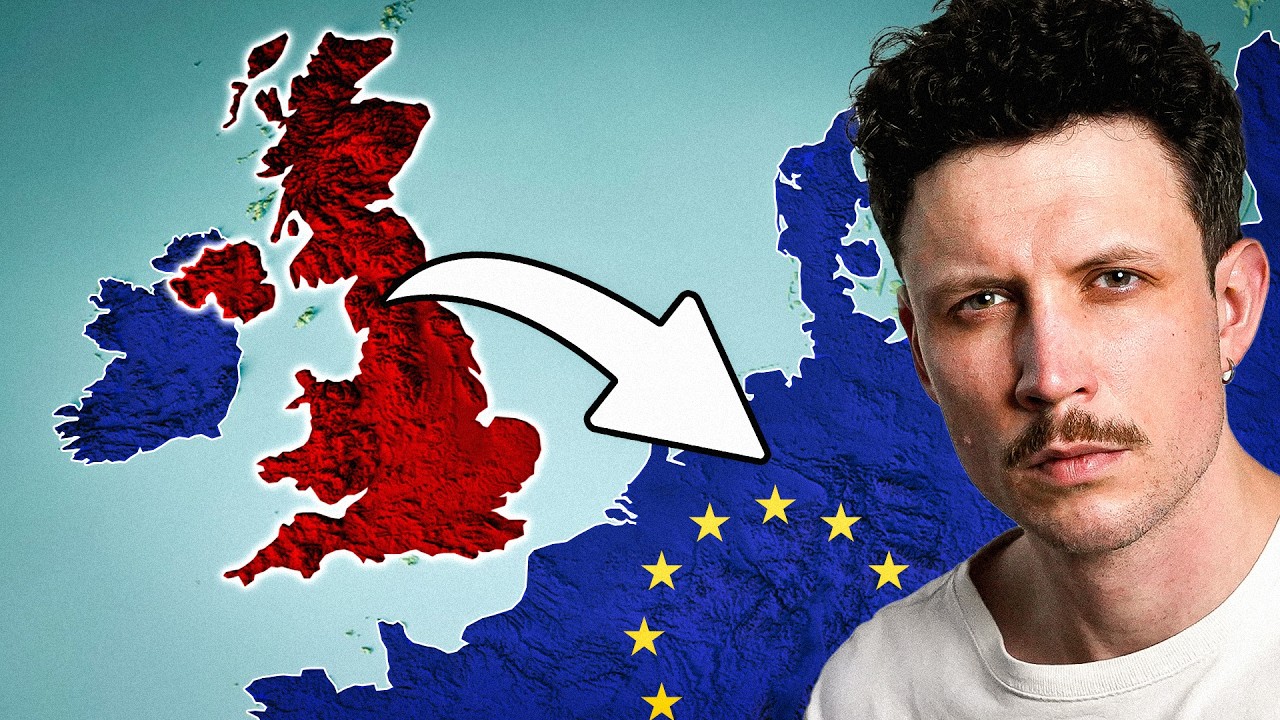
This video examines the fallout from Brexit, which took place 10 years ago when 52% of British voters opted to leave the European Union. The discussion revolves around three core themes: independence, financial implications, and migration, detailing the historical context leading to Brexit and what has transpired since.
- Independence was a fundamental issue driving the desire for Brexit.
- Financial contributions to the EU have long been a concern for British taxpayers.
- Migration became a major topic following the influx of workers from newly joined EU states.
Beginning of the Brexit Story
Ten years ago, Britain held a referendum on Brexit, resulting in 52% voting to leave the EU. The anticipated outcomes over the following decade did not unfold as expected, with a majority now indicating a desire to return to the EU. The dialogue covers the historical tensions between Britain and the EU, particularly focusing on independence, financial burdens, and migration issues.
The First Problem: Independence
Independence was a significant concern for Britain since post-World War II, as the idea of European unity surfaced to prevent future conflicts. Winston Churchill was a supporter of European unity but envisioned Britain as separate from it. Despite an initial refusal to join European groups in the 1950s, Britain later sought membership as economic pressures mounted. This relationship was strained by a desire for self-governance without European oversight.
Why Britain Joined the EU
Early economic struggles led Britain to eventually join the European Economic Community in 1973. However, within two years, concerns about financial contributions emerged, leading to disputes between political parties about the costs and benefits of EU membership. Margaret Thatcher later negotiated budget rebates, but the dissatisfaction regarding payments persisted.
The Second Problem: Money
Money remained a contentious issue; Britain questioned the value of its financial contributions to the EU, especially as the country faced economic challenges. Despite a majority voting to remain in the EU during the 1975 referendum, issues regarding financial obligations continued to haunt UK-EU relations, laying groundwork for future calls for Brexit.
How Europe Began to Change
The 1990s saw significant changes in Europe, marked by the Maastricht Treaty, which transformed the European Economic Community into the European Union. The political aspirations of the EU raised alarms in Britain who felt that their sovereignty would be compromised, prompting the emergence of the UK Independence Party.
The Third Problem: Migration
Migration grew to be a critical issue as Eastern European nations joined the EU and their citizens migrated to Britain for work. The influx, which the government underestimated, shifted public sentiment. The global financial crisis later exacerbated fears related to migration and prompted further calls for tighter controls.
How the Financial Crisis Changed Everything
The financial crisis led to significant economic instability across Europe, raising dissatisfaction with the EU's handling of the situation. This increased the popularity of the UK Independence Party and prompted Prime Minister David Cameron to promise a referendum on EU membership to regain control over domestic issues.
Who and Why Called for the Referendum?
Cameron, initially opposed to Brexit, faced pressure within his party and among voters seeking a referendum to settle the EU issue. His failure to negotiate substantial reforms with the EU heightened divisions and ultimately resulted in the referendum scheduled to take place.
How “For” and “Against” Campaigns Differed
The campaigns for and against Brexit differed significantly in their messaging. The "Leave" campaign focused on simple and emotional appeals for regaining control, while the "Remain" campaign presented complex arguments that failed to resonate, leading to a dramatic shift in public opinion.
Why Brexit Won
Public sentiment shifted towards Brexit as voters embraced the campaign's calls for taking back control amidst rising concerns over migration and economic uncertainty. The vote saw a surprising turnout that favored leaving the EU.
What Was The Core Issue of Brexit?
The central issues driving Brexit were independence, financial burdens, and migration. Initial hopes for a clear post-referendum strategy were dashed as the complexities of actualizing Brexit unfolded, further complicating the national conversation.
The Importance of Boris Johnson
Boris Johnson emerged as a strong advocate for a hard Brexit, prioritizing the exit despite the absence of clear plans for negotiating post-Brexit relations. His confrontational approach led to significant political upheaval as negotiations progressed.
Brexit Results: Independence
Post-Brexit, Britain is technically free from EU laws; however, complications arise as trade remains tied to EU standards, creating issues concerning Northern Ireland and customs checks within the UK.
Brexit Results: Money
While the intention was to escape financial contributions to the EU, Britain's economy has stagnated with significant declines in investment and job losses, showing a contrary result to Britons' expectations at the time of the Brexit vote.
Brexit Results: Migration
Despite seeking to limit migration, the number of arrivals increased post-Brexit as immigration policies shifted, illustrating a paradox where desired control measures did not manifest effectively.
Will Britain Return to the EU?
Ten years after Brexit, public sentiment has shifted, with a majority now viewing the decision as a mistake. Discussions are emerging about potentially rejoining the EU, reflecting a change in perspective on Britain's relationship with Europe.

