
Brief Summary
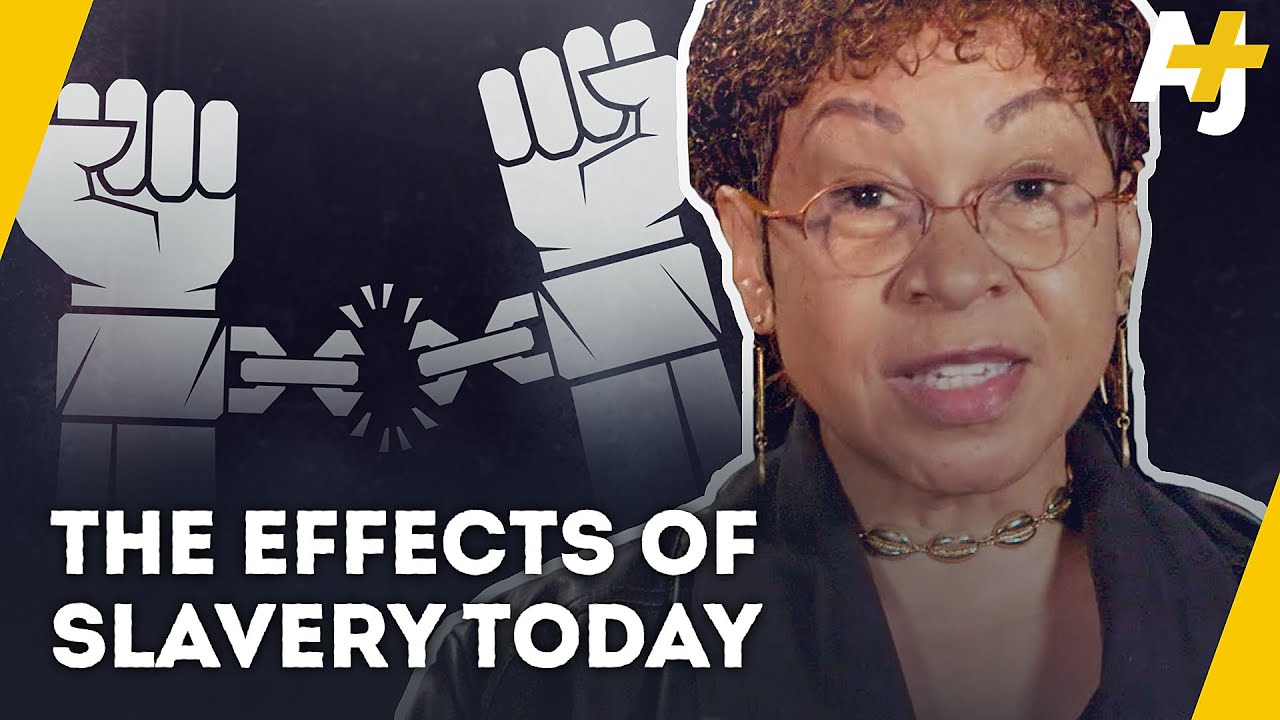
The video explains the concept of Post-Traumatic Slave Syndrome (PTSS), which focuses on the enduring effects of multigenerational trauma on African Americans stemming from slavery and systemic oppression. It emphasizes that trauma from slavery has lasting impacts on behavior, socialization, and health, calling for a combination of clinical intervention and social justice efforts to address these effects.
- PTSS examines the long-term psychological and social effects of slavery.
- It connects the past trauma to contemporary behaviors and health issues in African American communities.
Understanding Post-Traumatic Slave Syndrome
Post-Traumatic Slave Syndrome (PTSS) provides an explanatory theory that investigates the effects of multigenerational trauma. This concept challenges the notion that the impact of slavery is irrelevant simply because it occurred long ago. The video asserts that the horrific experiences of enslaved individuals—captured, sold, beaten, and subjected to experiments—have ongoing repercussions that affect modern generations. The discussion stresses that 300 years of trauma without assistance continued to inflict pain, leading to the conclusion that trauma is not only historical but is also perpetuated over generations.
The Impact of Multigenerational Trauma
The video explores how sustained trauma impacts individuals and their descendants, drawing parallels between victims of natural disasters, war, and the African American experience. It highlights that such historical trauma has lasting effects on mental and emotional well-being. The analysis shows a clear link between past slavery and current behaviors in African American communities, emphasizing that survival strategies developed in response to historical oppression have become ingrained in their culture.
Survival Behaviors in Contemporary Society
Through a narrative showcasing interactions between a Black mother and a white mother, the presenter illustrates how historical traumas manifest in present-day behaviors. The Black mother expresses a mix of pride and self-deprecation regarding her child’s achievements as an adaptive strategy rooted in a hostile environment during slavery. In contrast, the white mother freely praises her child's successes. This dynamic underlines a survival strategy that reflects the historical need for African American parents to protect their children from the dangers associated with their identity.
Understanding PTSD vs. PTSS
The speaker clarifies that Post-Traumatic Stress Disorder (PTSD) results from a singular traumatic event, while PTSS relates to inherited trauma across generations. Individuals may experience PTSD through direct exposure or by witnessing trauma, but PTSS is a normalization of chronic oppression and stress. The video discusses the pervasive impact of this stress on health, particularly in children who do not anticipate living into adulthood due to high mortality rates in their communities.
Health Implications of Trauma
The video addresses how chronic stress associated with being Black in America affects health and immune function. General stresses of life compound with societal oppression, negatively impacting health outcomes. Understanding this relationship is crucial for addressing health issues within African American communities, as it emphasizes that trauma is deeply woven into socialization processes and everyday life.
Societal Change and Healing
A major takeaway from the video is that addressing multigenerational trauma requires both dialogue with those affected and broader societal education. It posits that combating structural oppression is crucial to the healing process, highlighting the importance of social justice, equity, and community safety. Clinical approaches alone are insufficient; systemic change is essential for genuine healing and progress in African American communities.

