
Brief Summary
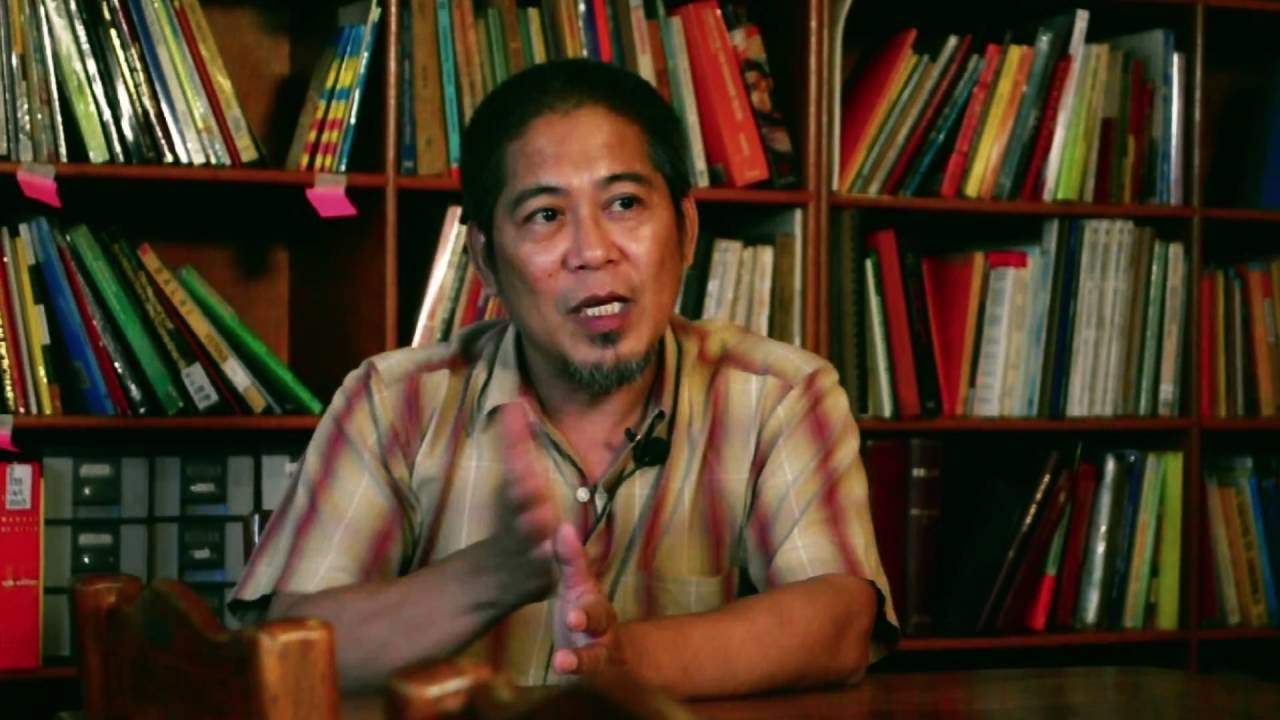
The video discusses the importance of the Filipino language as a reflection of Filipino history and identity. It addresses the role of language in education, cultural understanding, and national unity, emphasizing the need to use a Filipino cultural lens when interpreting historical documents. The speaker shares personal experiences and insights on language use in academia and activism, advocating for a more inclusive and practical approach to the national language based on everyday usage rather than strict purism.
- Filipino language reflects history and identity.
- Language is crucial for education and cultural understanding.
- Advocates for inclusive, practical language use.
Introduction to Filipino Language and Identity
The Filipino language is presented as a reflection of the country's extensive history and a key identifier of Filipino identity. For writers aiming to depict their homeland, Filipino is the most appropriate language. In the speaker's experience, Filipino serves as the initial meeting point for people from different linguistic backgrounds, acting as a foundation before branching out into English, Bisaya, or other languages depending on the context, eventually returning to that common ground.
The Role of Language in Mass Movements and Cultural Identity
The speaker emphasizes the need for a broad mass movement, similar to that of the 1970s, to promote the use of one's own language and connection to one's own culture. This issue extends beyond language, affecting how Filipinos think and whether they align with the cultures of various ethnic groups in the Philippines, or if they maintain a colonial framework in language and education. Studies indicate that one's native language serves as a gateway to Filipino and other languages, both foreign and local, highlighting that it is not a competition between the native language and Filipino.
Historical Documents and Cultural Lenses
Recognition is needed that historical accounts are written in other languages. Many documents in the National Archives are in Spanish, while others in the National Library are in English. The cultural lens used to interpret these documents has historically been American and Spanish. Therefore, a Filipino cultural lens is necessary for modern Filipino historians to accurately interpret colonial documents by using language as a repository of historical and cultural understanding.
Resources for Filipino Language and Culture
The University of the Philippines (UP) library has the most comprehensive collection of Filipino resources due to its policy of acquiring all materials published in the Philippines, including those in Filipino. This collection, known as Filipiniana, includes compositions by Filipinos and materials about the Philippines, totaling around 111,000 titles.
Personal Journey and Awakening to Filipino Identity
The speaker shares their personal experience of growing up in an environment where English was dominant, with no Filipino subjects or Philippine history in their early education. This led to a reaction against the norm. After graduating, the speaker sought to understand the true condition of society by teaching and enrolling at UP, which sparked an awakening to social issues. This period coincided with a time of activism that questioned societal standards in culture, economics, and politics, leading to a search for national identity.
Defending Filipino Language in UP and National Orientation
The speaker recalls a time when cultivating the Filipino language within the University of the Philippines faced objections from national leaders who considered it backward, as English was seen as the lingua franca. Dr. Kipas and Dr. Tet Maceda, with the support of UP officials, went to Congress to clarify the university's language policy and its contribution to national progress. The speaker argues that the issue is about the orientation of the educational system, which, due to neoliberal reforms, is straying from its duty to society by focusing on global competitiveness rather than serving the majority of Filipino youth.
Language Politics and the Reality of Filipino Speakers
The speaker notes that while the issue of language seems less contentious, many politicians still believe English should be the national language. However, data shows that most Filipinos do not speak English, but almost all can speak Filipino. The speaker emphasizes that if there is a desire of unity, national identity, and solidarity among the masses, a common language is a powerful tool.
Language as a Tool for Division and Control
Language can be used to exclude and assert superiority, with some using prestigious languages to appear more educated. Language itself can be an ideology that controls people's thinking. The speaker recalls working with Jose Diokno in Kaakbay, where Diokno lamented not being fluent in Tagalog despite being from Batangas. Diokno sent academics to poor communities to explain complex issues like the Philippines' debt to the IMF and World Bank in a way that the people could understand, which was not in English.
The Importance of Lingua Franca and Inclusivity
The speaker shares an anecdote about using formal Tagalog terms like "datapwat" and "sa makatuwid" when explaining economic issues to communities, only to be told that while they understood, those terms were not commonly used. This highlighted the importance of using a lingua franca that most people understand. The speaker also touches on the divisions among different groups and tribes in the Philippines regarding what should be considered the Filipino language.
Modern Filipino Language and Keyboard Layout
Despite the challenges of unifying the language, the speaker observes that students today are more adept at explaining concepts in Filipino. The speaker also introduces a project to develop a Filipino keyboard layout to make the language more convenient to use and to keep up with other countries. This layout was developed using 10.7 million Filipino words from the Bantay Wika project, prioritizing the most frequently used letters for ease of access.
The Power of Language in Teaching and Ethnographic Research
The speaker emphasizes the importance of language in teaching, noting that students often understand and engage more deeply when Filipino, particularly Tagalog, is used. The speaker's master's thesis, an ethnography of the Buhid Mangyan people, was written in Filipino, influenced by their adviser, Dr. Padilla, one of the first anthropologists to write their dissertation in Filipino. When the speaker shared a copy of their thesis with Buhid leaders, they were pleased to have a book they could read and understand.
Evolving Filipino Language and Inclusivity
The goal is not to confine the Filipino language to Tagalog but to base it on all languages in the Philippines, embracing variations like "Pilipinong Bisaya" or "Pilipinong Bicol." The speaker advocates for avoiding purism, echoing Roger Sikat's sentiment that the language should reflect one's inner thoughts. The speaker finds that using Filipino allows for a more effective explanation of the complexities of life compared to using another language.

