
Brief Summary
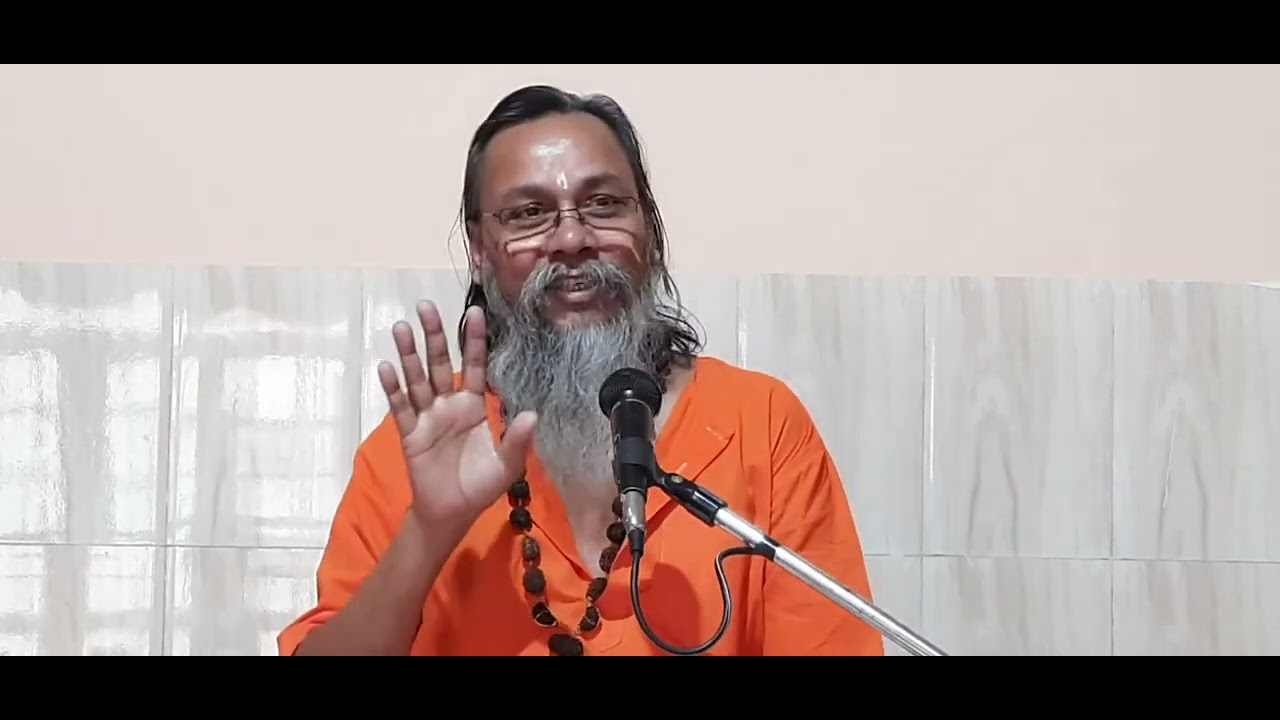
This video features a discourse on the nine characteristics of devotion and knowledge, emphasizing non-violence, truthfulness, and inner peace. It explores the nuances of actions, truths, and the management of anger, highlighting the importance of detaching from material possessions and cultivating inner purity. The discussion also covers the concept of "Hri" (modesty) and "Avikriya" (equanimity), illustrating how these virtues contribute to a balanced and virtuous life, aligning with divine qualities.
- Nine characteristics of devotion and knowledge are discussed.
- Importance of non-violence, truthfulness, and inner peace.
- Managing anger and detaching from material possessions.
प्रेम भगवान
The discussion begins by differentiating between the paths of knowledge and devotion, noting that while both lead to liberation, they differ in their approach. The path of knowledge involves understanding the singular truth of Brahman and recognizing the world as an illusion, leading to fearlessness. Devotion, on the other hand, involves unwavering faith in God, which also leads to fearlessness.
नो लक्षण
The speaker outlines nine characteristics, with three being primary, followed by six additional qualities. These include traits like giving, sacrifice, self-study, and penance. The discourse then shifts to non-violence, truthfulness, absence of anger, peace, and not being harsh.
अहिंसा
The concept of "Ahimsa" (non-violence) is explored in depth, explaining that violence can occur through action, instigation, or approval. The speaker uses the example of hiring someone to commit violence versus physically committing the act, and further extends it to include passively condoning violence in one's heart.
सत्यम
The discussion turns to "Satyam" (truthfulness), advising against speaking harsh truths and advocating for pleasant and beneficial speech. The speaker emphasizes the importance of reporting events accurately, without distortion or exaggeration, to maintain truthfulness.
आप क्रोध
The management of anger is addressed, explaining that "Akrodha" (absence of anger) means maintaining inner peace even when provoked with harsh words or physical harm. The speaker clarifies that refraining from retaliation, even when wronged, is a sign of inner strength and aligns with divine qualities.
दान
The concept of "Daan" (giving) is defined as relinquishing one's rights over an object and transferring them to another. The speaker illustrates this with the example of gifting a cow to a priest, emphasizing that true giving involves a complete transfer of ownership and rights.
क्षमा
The speaker explains that "kshamā" (forgiveness) is not just about tolerating injustice but about relinquishing one's rights. The difference between "tyaga" (renunciation) and "daan" is explained.
शांति
The discussion moves to "Shanti" (peace), describing it as a state of complete inner tranquility. The concept of "aparandra prakritikaran" is introduced, which refers to avoiding discussions about others' flaws or shortcomings, especially behind their backs.
निंदा
The speaker elaborates on the concept of "Ninda" (criticism), sharing a story about a "Sarva Nindak Maharaj" who found fault in everything. The moral of the story is to avoid excessive criticism and to appreciate the good in others.
दया
The virtues of "Daya" (compassion) and "Avikriya" (equanimity) are discussed, emphasizing the importance of showing kindness to all beings and maintaining emotional balance in the face of sensory experiences. The speaker explains that true virtue lies in controlling one's desires and impulses, even when presented with tempting stimuli.
ह्री
The concept of "Hri" (modesty) is introduced, describing it as a sense of shame or embarrassment in the face of inappropriate behavior. The speaker also discusses "Achapalam" (absence of restlessness), advising against unnecessary physical activity and promoting a state of calm and composure.
तेजा
The qualities of "Teja" (radiance) and "Kshama" (forgiveness) are highlighted, emphasizing the importance of inner strength and the ability to forgive others. The speaker concludes this segment by summarizing the divine qualities that characterize a virtuous person.
देवी संपत्ति
The discussion emphasizes that these qualities are inherent in those born into noble circumstances and possessing intelligence. These virtues, such as non-violence and truthfulness, are what define a person's divine nature.
द्योति
The speaker describes "Dyuti" as the radiance that comes from one's spiritual practice, knowledge, and experience. This radiance is not superficial but reflects inner purity and wisdom.
क्षमा
The speaker revisits the concept of "Kshama" (forgiveness), explaining that it involves maintaining inner peace even when subjected to abuse or harm. The discussion differentiates between suppressing anger and genuinely forgiving, emphasizing that true forgiveness involves a complete absence of inner turmoil.
अक्रोध
The distinction between "Akrodha" (absence of anger) and "Kshama" (forgiveness) is further clarified. Akrodha involves preventing anger from arising in the first place, while Kshama involves suppressing anger after it has already arisen.
विषाद
The final topic is "Vishad" (sorrow or depression), explaining that it can affect both the body and the mind. The speaker emphasizes the importance of cultivating inner resilience and faith to overcome depression, highlighting the role of belief in God and the acceptance of one's destiny in maintaining mental well-being.

