
Brief Summary
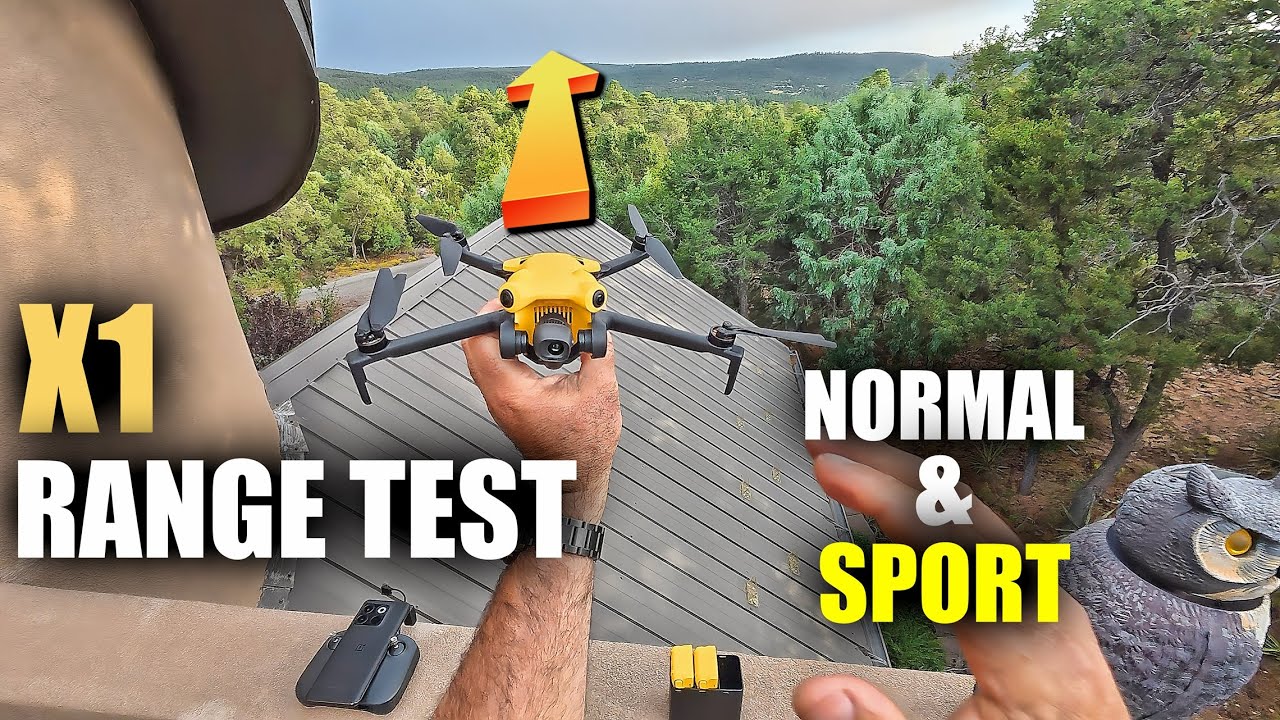
This video features a range test of the Sky Rover X1 drone in both normal and sport modes. The tests aimed to determine the drone's range and performance under different conditions, including varying wind speeds and battery levels. The drone faced challenges such as strong winds, leading to emergency landings and highlighting the importance of monitoring battery levels and wind conditions during flights.
- The Sky Rover X1 drone was tested for range in normal and sport modes.
- Strong winds and battery management were significant factors affecting flight performance.
- Emergency landings were executed, and the drone's "find my drone" feature was used to locate it.
- The drone's capabilities were compared to those of DJI drones, noting some differences in features and efficiency.
Normal Mode Range Test
The initial range test was conducted in normal mode, with the pilot expressing some nervousness due to the presence of distant thunderstorms. The drone was launched, and obstacle avoidance was initially enabled but later turned off to maximize performance. The pilot used cruise control to maintain a steady speed of 26-27 mph, while monitoring altitude, distance, and satellite connectivity. The drone's video transmission remained clear, comparable to DJI's OcuSync technology. Despite maintaining a good signal, the pilot encountered a return-to-home warning and ultimately decided to turn around at 55% battery.
Challenges and Emergency Landing
During the return flight, the drone faced strong headwinds, significantly reducing its speed. The pilot attempted to use the return-to-home function, but the drone struggled against the wind. Eventually, with the battery critically low, the pilot initiated an emergency landing in a clearing near the road. The drone's "find my drone" feature was used to locate it successfully.
Assessment of the First Flight
Upon retrieving the drone, the pilot assessed the flight, noting the impact of the gusty winds on the drone's performance. He emphasized the importance of making timely decisions to land and avoid pushing the drone beyond its limits. The pilot reflected on past experiences and highlighted the effectiveness of choosing a clear landing spot and using the "find my drone" feature.
Sport Mode Range Test
The second range test was performed in sport mode under calmer weather conditions. The drone quickly reached speeds of 35-36 mph. The pilot experimented with the drone's obstacle avoidance cameras and monitored battery levels closely. Despite a strong start, the drone issued an early return-to-home warning, which the pilot ignored to continue the test.
Second Emergency Landing and Drone Condition
As the drone returned, it encountered significant headwinds, causing its speed to drop dramatically. With the battery critically low, the pilot initiated another emergency landing in a clearing near power lines. The drone's "find my drone" feature was again used to locate it. Upon retrieval, it was discovered that the drone had likely dropped out of the sky due to the depleted battery, resulting in a hard landing and folded rear legs.
Final Thoughts and Comparison
The pilot concluded that the Sky Rover X1 might not be as efficient as DJI drones, particularly in windy conditions. He noted the absence of virtual AR graphics for the home point, a feature he valued on DJI drones. Despite its limitations, the pilot acknowledged the drone's capabilities and emphasized the importance of learning from each flight experience. He planned to conduct further tests, including automated waypoint flights, to explore the drone's full potential.

