
Brief Summary
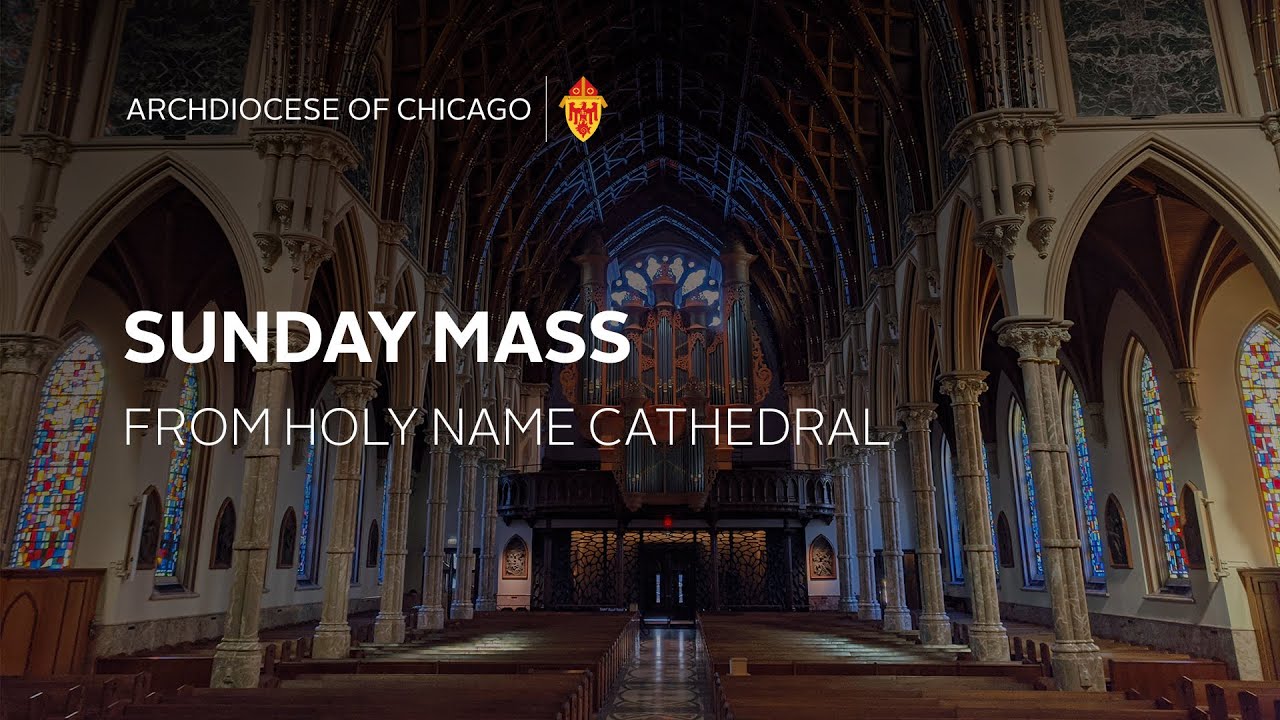
This video is a recording of a Catholic Mass, including prayers, readings from the Bible, a homily, and the Eucharist. The homily focuses on the story of Jesus cleansing the temple, relating it to modern systemic injustices and encouraging viewers to support initiatives that help those trapped in such systems.
- The Mass includes traditional elements like the Gloria, readings from Ezekiel and Corinthians, and the Gospel reading from John.
- The homily connects the Gospel to contemporary issues like economic inequality, government shutdowns, and immigration.
- Viewers are encouraged to support the Catholic Campaign for Human Development and local food pantries.
Opening Prayer and Introduction
The service begins with a hymn and the sign of the cross. The priest greets the congregation and acknowledges the special occasion: the dedication of the Church of St. John Lateran, the Holy Father's cathedral. He emphasizes the unity of the Church with the Pope and every bishop in their cathedrals. The opening prayer is for unity within the Church, families, and the nation, starting with reconciliation, forgiveness from God, and self-forgiveness.
Prayers and Gloria
The congregation recites prayers for mercy, followed by the Gloria, a hymn of praise to God. The priest then leads a prayer asking God to increase the spirit of grace within the Church, so that the faithful may build up the heavenly Jerusalem.
First Reading: Ezekiel 47:1-2, 8-9, 12
A reading from the Book of Ezekiel describes a vision of water flowing from the temple, bringing life and abundance wherever it goes. The water flows into the eastern district, making the salt waters fresh and supporting abundant life. Fruit trees grow along the riverbanks, bearing fresh fruit every month, with their fruit serving for food and their leaves for medicine.
Responsorial Psalm
The Responsorial Psalm, based on Psalm 46, speaks of the river that gladdens the city of God, the holy dwelling of the Most High. It emphasizes God as a refuge and strength, an ever-present help in times of distress, and assures that the city of God cannot be shaken because God is within it.
Second Reading: 1 Corinthians 3:9c-11, 16-17
A reading from St. Paul's first letter to the Corinthians reminds the congregation that they are God's building. Paul laid the foundation as a wise master builder, and others are building upon it, emphasizing that no one can lay a foundation other than Jesus Christ. The reading stresses that the people are the temple of God, and the Spirit of God dwells within them, warning against destroying God's temple.
Gospel Reading: John 2:13-22
The Gospel reading from John recounts Jesus cleansing the temple in Jerusalem. He finds people selling oxen, sheep, and doves, and money changers seated there. Jesus makes a whip of cords and drives them out, overturning the tables of the money changers. He tells those selling doves to stop making his Father's house a marketplace. The disciples recall the scripture, "Zeal for your house will consume me." Jesus tells the Jews to destroy the temple, and in three days, he will raise it up, referring to the temple of his body.
Homily: Cleansing the Temple and Modern Injustices
The priest discusses Jesus's cleansing of the temple, explaining that the animals and goods being sold were likely confiscated from the poor who couldn't pay their taxes, representing an unjust system. He connects this to modern issues where people feel disenfranchised by systems working against them, such as inadequate school choices for poorer communities, government shutdowns affecting workers, and a broken immigration system. He urges the congregation to help turn these systems around by supporting those affected.
Call to Action and Reflection on the Temple
The priest asks parishes to help those affected by the government shutdown and immigrants needing food. He announces the upcoming Catholic Campaign for Human Development, which provides microloans and job training. He contrasts the corrupted temple with the vision of the temple in the first reading, where everything flourishes. He reminds the congregation that the church should promote the flourishing of every human being, especially those facing systemic challenges. He emphasizes that each person is a member of God's temple, and respect begins with the dignity of human life.
Nicene Creed and Prayers of the Faithful
The congregation recites the Nicene Creed, affirming their belief in God, Jesus Christ, and the Holy Spirit. Following the Creed, the Prayers of the Faithful are offered, including prayers for the unity and faith of the universal church, peace among nations, inspiration for those searching for God, and the resurrection of the dead.
Preparation of the Gifts and Eucharistic Prayer
The priest prepares the gifts of bread and wine, praying that the sacrifice will be acceptable to God. He then leads the congregation in the Eucharistic Prayer, giving thanks to God for dwelling in the house of prayer and perfecting them as a temple of the Holy Spirit. The prayer includes the Sanctus ("Holy, Holy, Holy") and the consecration of the bread and wine into the body and blood of Christ.
The Lord's Prayer and Sign of Peace
The congregation recites the Lord's Prayer. The priest then asks for peace and unity within the Church, and the congregation shares a sign of peace with one another.
Communion
The Lamb of God is invoked, and the priest presents the Eucharist, inviting those who are called to the supper of the Lamb. An act of spiritual communion is recited for those unable to receive sacramentally.
Concluding Prayer and Blessing
The priest offers a concluding prayer, asking that through partaking in the sacrament, they may be made the temple of God's grace and enter the dwelling place of His glory. He greets those who are homebound and unable to attend Mass, offering prayers for them. The Mass concludes with a final blessing and dismissal.

