
Brief Summary
This video discusses seven major changes to expect when switching from a gasoline car to a Tesla. These include adapting to charging instead of fueling, one-pedal driving with regenerative braking, the quietness of the electric engine, using Autopilot and Full Self-Driving features, the minimalist interior with touchscreen controls, over-the-air software updates, and different maintenance requirements. The transition may feel strange initially, but these features quickly become appreciated, offering a more convenient and advanced driving experience.
- Charging becomes a routine, often done overnight at home.
- One-pedal driving simplifies the driving experience and extends brake life.
- The quiet interior enhances the driving experience.
- Autopilot reduces driving fatigue, acting as a smart co-pilot.
- Over-the-air updates keep the car modern and improve its features.
- Maintenance is significantly reduced compared to gasoline cars.
Charging vs. Fueling
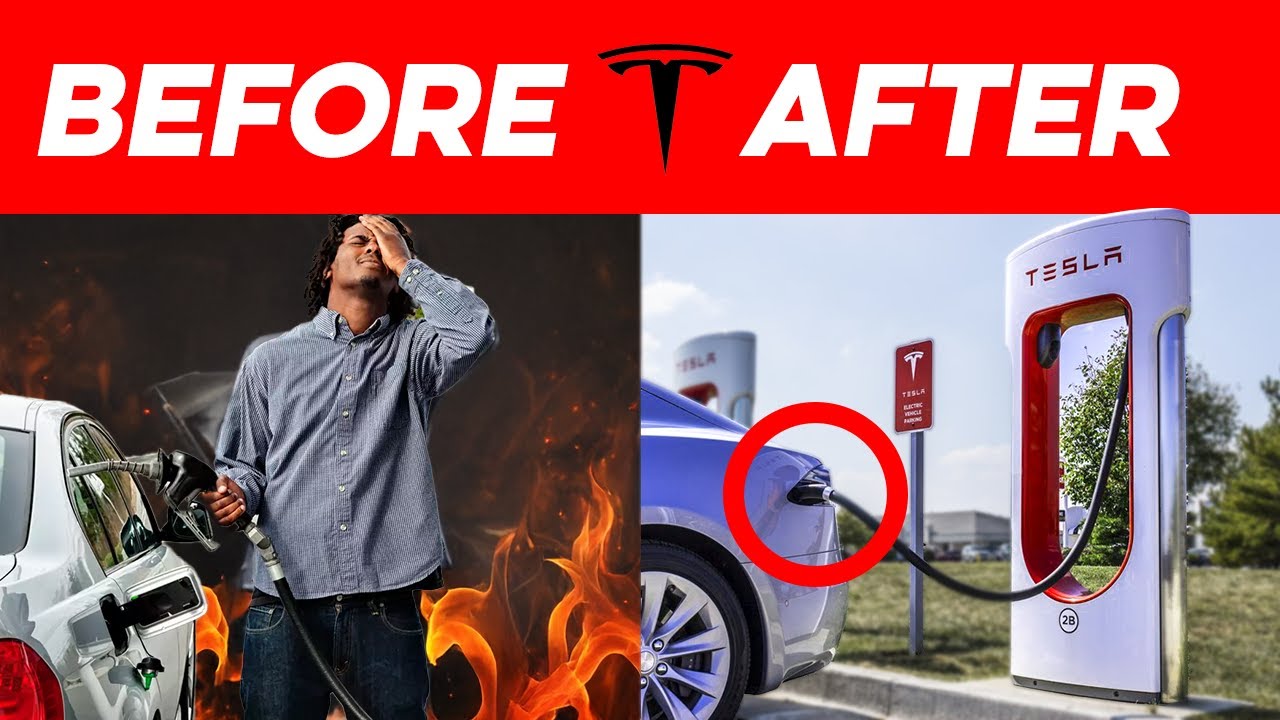
Switching to a Tesla requires a shift from quick refueling at gas stations to charging the battery. Most Tesla owners charge their cars overnight at home, eliminating weekly gas station visits. While charging takes longer than fueling, especially on road trips, Tesla's navigation system helps by routing through charging stops. This proactive charging approach soon becomes a routine, making gas station stops a thing of the past.
One-Pedal Driving and Regenerative Braking
Tesla's regenerative braking system allows for one-pedal driving, where lifting off the accelerator slows the car and returns energy to the battery. Initially, this may feel unusual, but drivers quickly adapt and appreciate the smooth, intuitive control. One-pedal driving also extends the life of brake pads since they are used less frequently.
Lack of Engine Noise
Teslas are notably quiet, lacking the engine noise of gasoline cars, which can initially feel strange. While wind and tire noise become more noticeable, most people appreciate the serene driving experience. The quietness makes it easier to converse with passengers and enjoy music without background noise, eventually making gasoline cars seem annoyingly loud.
Autopilot and Full Self-Driving (FSD)
Tesla's Autopilot is more advanced than standard cruise control, capable of steering within lanes and adjusting speed for traffic. While initially daunting, Autopilot reduces fatigue on long drives and in heavy traffic. The Full Self-Driving (FSD) package further enhances these capabilities, navigating interchanges and city streets with supervision, requiring the driver to remain alert and ready to take over when necessary.
Minimalist Interior and Touchscreen Controls
Tesla's interior is minimalist, with most functions controlled through a central touchscreen, which can be disorienting at first. Tasks like adjusting climate control are managed via the screen. However, the system is intuitive, and voice commands offer a convenient alternative. The clean, futuristic cabin design is appreciated once users adapt, making traditional dashboards feel cluttered.
Over-the-Air Software Updates
Tesla's over-the-air (OTA) software updates allow the car to improve over time, adding new features and enhancements without visiting a service center. These updates, downloaded via Wi-Fi, can change the interface, increase range, or add entertainment options. While occasional adjustments to new layouts or feature behaviors are needed, the updates provide a continuous sense of improvement.
Different Maintenance Requirements
Maintenance requirements for Teslas are significantly reduced compared to gasoline cars, eliminating the need for oil changes, spark plug replacements, and emission tests. Key maintenance tasks include tire upkeep, brake fluid checks, coolant flushes, and cabin air filter replacements. Brake pads last longer due to regenerative braking. Overall, maintenance is less frequent and less expensive.
Conclusion
Switching to a Tesla involves a learning curve, but the changes quickly become routine and appreciated. Charging becomes convenient, one-pedal driving intuitive, and the quiet, high-tech ride enjoyable. Embracing these changes makes it hard to return to traditional gasoline cars, offering a more advanced and satisfying driving experience.

