
Brief Summary
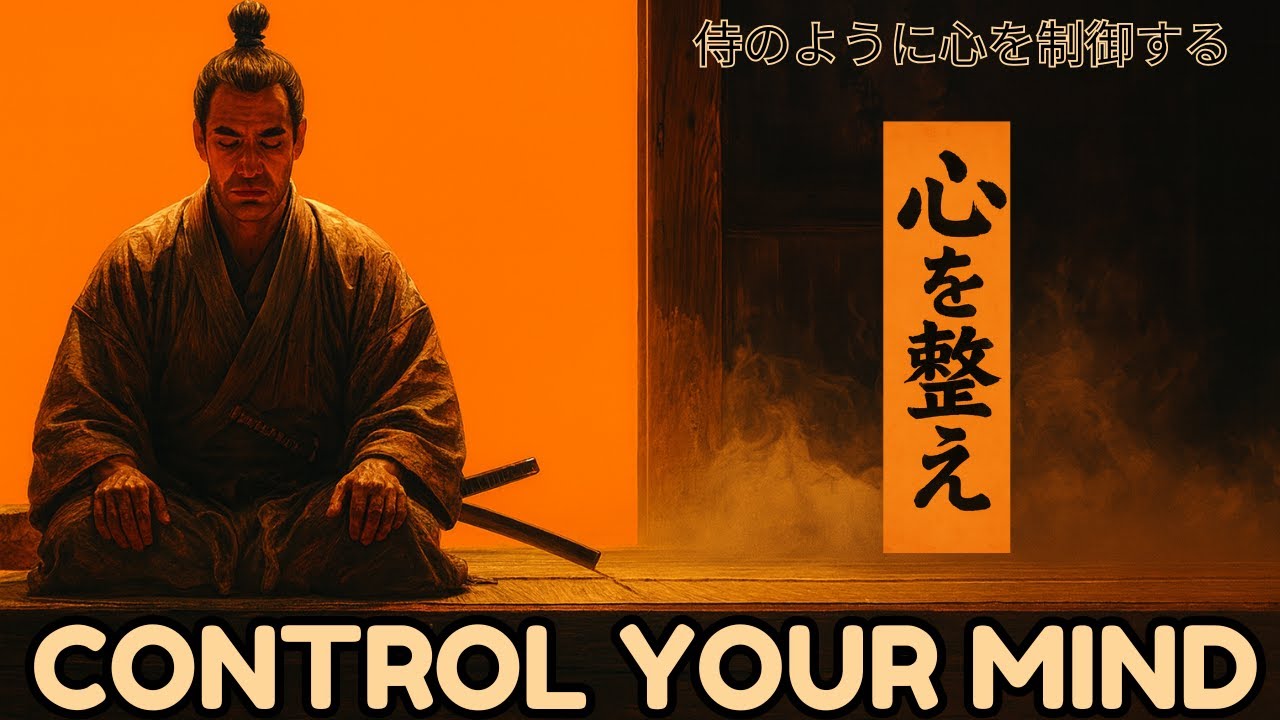
This video introduces "Teeshi," a forbidden technique practiced by Japanese warriors, focusing on mastering the mind rather than physical combat. It emphasizes awareness, discipline, and emotional regulation to achieve inner strength and calm authority. The journey involves recognizing the mind's default state, creating a pause between impulse and action, establishing structure and rhythm, and ultimately, letting go of control to achieve alignment and presence.
- Understanding and mastering the mind through awareness and discipline.
- Creating a pause between impulse and action to foster freedom.
- Establishing structure and rhythm to reduce mental negotiation.
- Developing emotional regulation to remain steady amidst chaos.
- Letting go of control to achieve alignment and presence.
Introduction to Taeshi
The video starts by highlighting the importance of recognizing how often the mind controls individuals, with thoughts and impulses arising without conscious invitation. This is presented as the natural state of the human mind, which Japanese warriors understood and addressed through rigorous mental training. Instead of focusing solely on physical combat, they prioritized mastering their minds to achieve inner strength and clarity. The ability to command one's mind is essential, as those who cannot will be controlled by the external world.
The First Lesson: Thoughts Are Weather
The first lesson of Taeshi is understanding that thoughts are not commands but rather passing conditions, like weather. This concept aligns with metacognition, the ability to observe thoughts without becoming them. Discipline, in this context, involves seeing clearly and making simple choices, acknowledging impulses and fears without negotiating with them. Taeshi is about restoring the pause between impulse and action, a small but vital space where freedom resides. Ancient warriors trained this space by enduring discomfort, such as standing in cold water or sitting in silence, to reveal the mind's patterns and build trust.
Rhythm, Breath, and Embodied Discipline
The next phase of Taeshi involves training awareness into stability through structure and rhythm. Warriors lived by routines to remove decision fatigue and achieve harmony, which modern psychology refers to as reducing cognitive load. This structure includes actions decided in advance, making presence non-negotiable and finding freedom within commitment. The practice of breath control is also important, using slow breathing to activate the parasympathetic nervous system and calm the body under stress. Warriors trained on both good and bad days, respecting emotions but not obeying them, fostering self-trust through consistent action.
Emotional Sovereignty
The third gate of Taeshi focuses on emotional sovereignty, the ability to remain aligned when inner and outer worlds collide. This involves maintaining steadiness even when the story one tells themselves dissolves, releasing the grip on who they think they should be. Emotional discipline is about containing pain without letting it poison action, observing emotions, and asking what is required in alignment with one's values. This practice cuts through illusions of needing perfect conditions or approval, fostering responsibility for one's state of being and transforming pressure into training.
Letting Go Without Losing Strength
The final stage of Taeshi involves releasing control itself, achieving readiness without strain. This is discipline as being, a state of "mushin" or "no mind," where the mind is uncluttered and action flows naturally from stillness. Letting go means releasing attachment to outcome while remaining fully committed to action. Strength becomes quiet, rooted, and inevitable, leading to ease without laziness and complete engagement followed by complete release. The goal is to live in harmony with the mind, achieving alignment and embodying steadiness, clarity, and presence.

