
Brief Summary
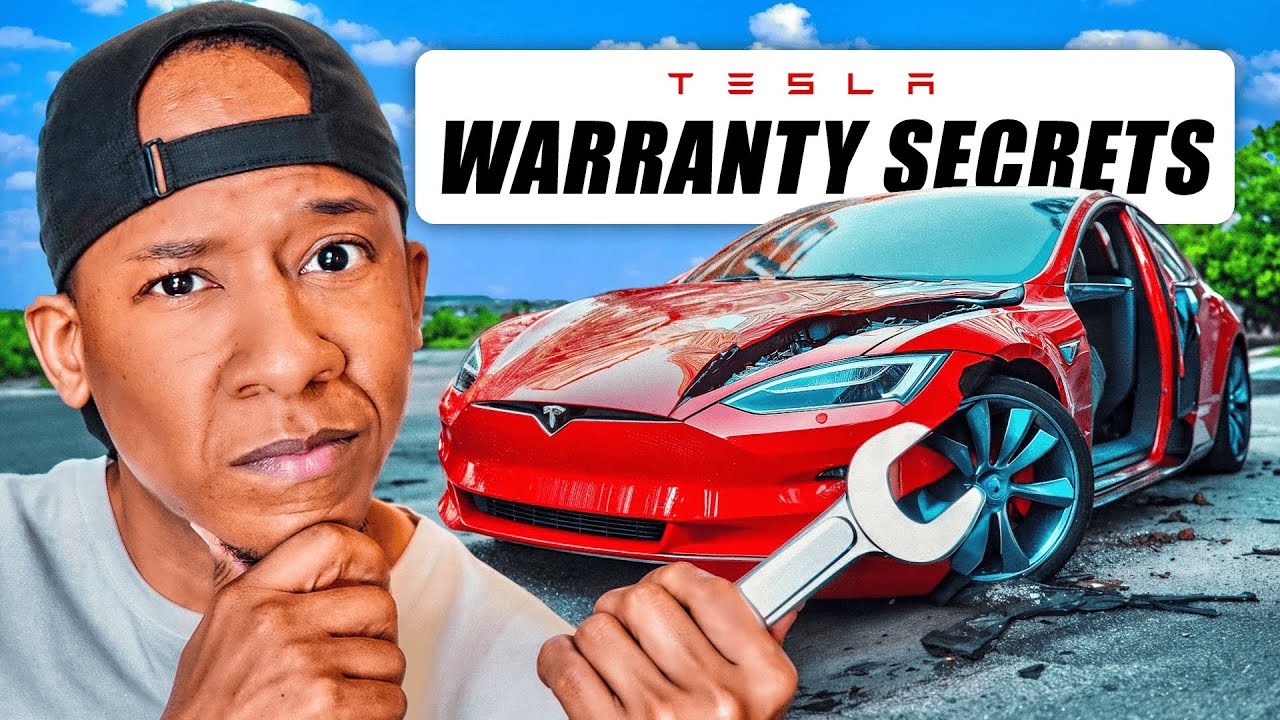
This video provides a comprehensive guide to Tesla warranties and repairs, covering what's included in Tesla's warranty, common issues owners might face, potential out-of-pocket costs, and tips for reducing repair expenses. It emphasizes the importance of understanding warranty coverage, proactive maintenance, and utilizing available resources to ensure a smooth Tesla ownership experience.
- Understanding Tesla's warranty coverage, including new vehicle, battery and drive unit, and supplemental restraint system warranties.
- Common repairs and issues faced by Tesla owners, such as touchscreen problems, suspension issues, and paint imperfections.
- Out-of-pocket costs for repairs, including replacements for the touchscreen, battery, drive unit, tires, and body components.
- Practical scenarios and real-world stories of Tesla owners navigating warranty claims and repairs.
- Tips for reducing repair costs, such as regular inspections, third-party extended warranties, and DIY maintenance.
Intro
Mike Seuss introduces a video about Tesla warranties and repairs, essential for both current and prospective Tesla owners. The video aims to provide a detailed understanding of what Tesla's warranties cover, common issues that may arise, and the potential out-of-pocket expenses associated with repairs. The content is applicable to owners of various Tesla models, including Model 3, Model Y, Model S, Model X, and future Cybertruck owners.
Understanding Teslas Warranty Coverage
Tesla's warranty coverage is designed to provide peace of mind for new owners and is considered one of the best in the EV industry. The new vehicle limited warranty lasts for four years or 50,000 miles, covering defects in materials or workmanship for most parts, including the touchscreen, steering, and suspension. The battery and drive unit warranty varies by model, with the Model S and X covered for eight years or 150,000 miles, and the Model 3 and Y covered for eight years or 120,000 to 150,000 miles, depending on the range, ensuring at least 70% battery capacity retention. The Supplemental Restraint System (SRS) Limited Warranty covers five years or 60,000 miles, addressing repairs related to airbags and seat belts.
Common Repairs and Warranty Claims
Despite Tesla's advanced technology, certain common issues may arise, often addressed by the warranty. Touchscreen problems, such as freezing or yellow banding, are typically covered under the new vehicle limited warranty, with Tesla sometimes offering courtesy replacements for known issues. Suspension issues, particularly in Model S and X, may also be covered, although wear and tear may incur out-of-pocket costs. Minor paint imperfections or trim misalignments reported promptly after delivery are generally fixed under warranty. Battery degradation is covered if it falls below 70% of the original capacity during the warranty period, leading to potential repair or replacement of the battery pack.
Out-of-Pocket Costs for Repairs
Even with Tesla's comprehensive warranty, owners may encounter out-of-pocket expenses, especially after the warranty expires. Common repairs and their estimated costs include touchscreen replacement ($1,500-$2,000), battery replacement ($10,000-$15,000), drive unit replacement ($5,000-$7,000), and suspension repairs ($1,000-$2,500). High-performance tire replacements range from $200 to $400 per tire, with wheel alignments or repairs costing $150 to $300. Investing in a tire and wheel protection plan is advisable for those driving on rough roads.
The Cost of Convenience
While Teslas require minimal maintenance compared to traditional cars, some services still incur costs. Brake fluid replacement costs $100-$200 every two years, air conditioning service ranges from $200-$500 every two to six years, and HEPA filter replacement for Model S and X costs $250-$400. Collision repairs, handled by Tesla-approved body shops, can result in out-of-pocket expenses such as bumper replacement ($1,000-$3,000) and panel replacement and repainting ($1,500-$5,000), though insurance may cover the bulk of these costs. Tesla's mobile service offers convenience for minor repairs, with service fees ranging from $50 to $200 plus repair costs for out-of-warranty services.
Practical Scenarios and Real-World Stories
Real-world examples illustrate how Tesla owners navigate warranty and repair processes. One Model 3 owner received a 50% cost coverage for a touchscreen replacement under a goodwill program, even after the warranty expired. Another Model S owner had their battery pack replaced at no cost due to significant range loss falling below the 70% threshold outlined in Tesla's battery warranty. A Model Y owner had paint peeling repaired under warranty after it was confirmed as a defect upon early reporting.
Tips for Reducing Repair Costs
To minimize repair costs and prolong the life of a Tesla, regular inspections are crucial for catching minor issues early. Checking tire pressure monthly and inspecting suspension components periodically can prevent uneven wear and major repairs. Third-party extended warranties can cover major repairs after Tesla's factory warranty expires, and some minor repairs, like replacing cabin air filters, can be done at home following Tesla's instructions.
Making the Most of Your Tesla Warranty
The video concludes by summarizing key points for Tesla owners to effectively manage warranties and repairs. Proactive maintenance, monitoring warranty status via the Tesla app, and leveraging Tesla's goodwill policies and service bulletins are essential. The video encourages viewers to share their Tesla repair experiences and tips in the comments for community benefit.

