
Brief Summary
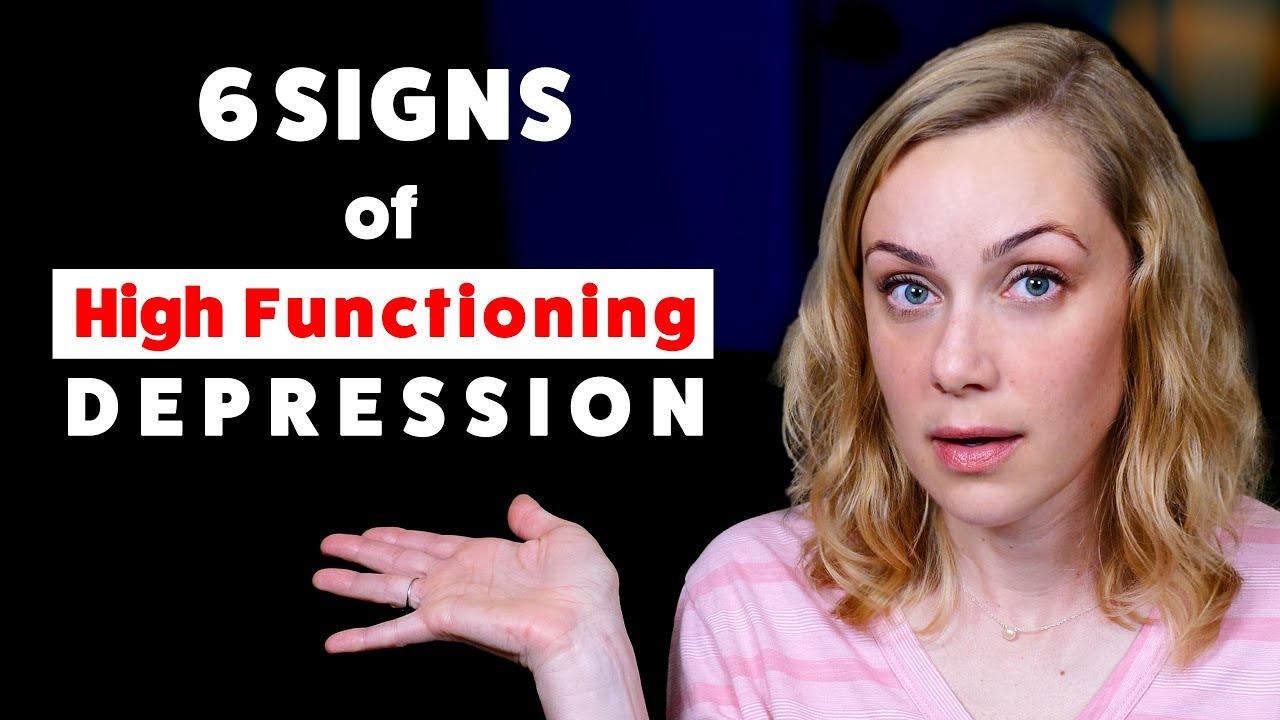
This video discusses high-functioning depression, also known as dysthymia, and its common signs and symptoms. It emphasizes that while it may not be as debilitating as major depressive disorder, it still significantly impacts daily life. The video highlights the importance of seeking help and exploring treatment options like talk therapy and medication to improve well-being.
- High-functioning depression, or dysthymia, is a low-grade depression lasting at least two years.
- Common signs include avoiding social situations, irritability, constant fatigue, difficulty concentrating, unhealthy coping mechanisms, and constant worry.
- Seeking help through therapy and/or medication is crucial for managing and improving dysthymia.
Introduction to High-Functioning Depression
The video introduces the topic of high-functioning depression, clarifying that it is a more accessible term for dysthymia, a low-grade, persistent form of depression. Dysthymia involves a depressed mood for most of the day, occurring more days than not, for at least two years. While it doesn't have the extreme peaks of major depressive disorder, it makes daily life more difficult. Dysthymia includes symptoms like poor appetite or overeating, insomnia or hypersomnia, low energy or fatigue, low self-esteem, difficulty concentrating, and feelings of hopelessness.
Avoiding Social Situations
One of the primary signs of high-functioning depression is avoiding social situations. Individuals may find that the effort required to maintain daily functioning leaves them with no energy for socializing. This can lead to canceling plans and withdrawing from loved ones.
Increased Irritability
Another sign is feeling extra irritable. When not feeling their best, individuals may have little patience and get easily annoyed by others, potentially leading to conflicts with loved ones.
Constant Fatigue
Constant tiredness is a common symptom, where individuals struggle to complete daily tasks and feel wiped out afterward. This persistent fatigue is a key indicator of depression, particularly dysthymia.
Difficulty Concentrating
Struggling to concentrate is another sign. This can manifest as rereading emails without comprehension or difficulty following plots in movies or TV shows, requiring rewinding to understand, which can be frustrating and impede work or school.
Unhealthy Coping Skills
The video addresses the use of unhealthy coping skills, such as increased alcohol consumption, excessive TV or video game use, or overeating, as a means to numb or ignore feelings. Recognizing these behaviors early and seeking help to replace them with healthier coping mechanisms is essential. Addressing these issues promptly prevents them from becoming deeply ingrained habits.
Constant Worry
Constant worry about the past or future is discussed, linking anxiety and depression. This can involve ruminating on past mistakes or excessive concern about future events, leading to difficulty sleeping and feeling unable to control negative thought cycles.
Seeking Help and Treatment Options
The video emphasizes the importance of seeking help if the described signs resonate with the viewer. Untreated dysthymia can persist for years, so early intervention is crucial. Treatment options include talk therapy, which provides a space to vent, and medication, with the best approach often being a combination of both. The video encourages viewers to find a treatment plan that works for them and to reach out for help as soon as possible, as proper care can lead to improvement.

