
Brief Summary
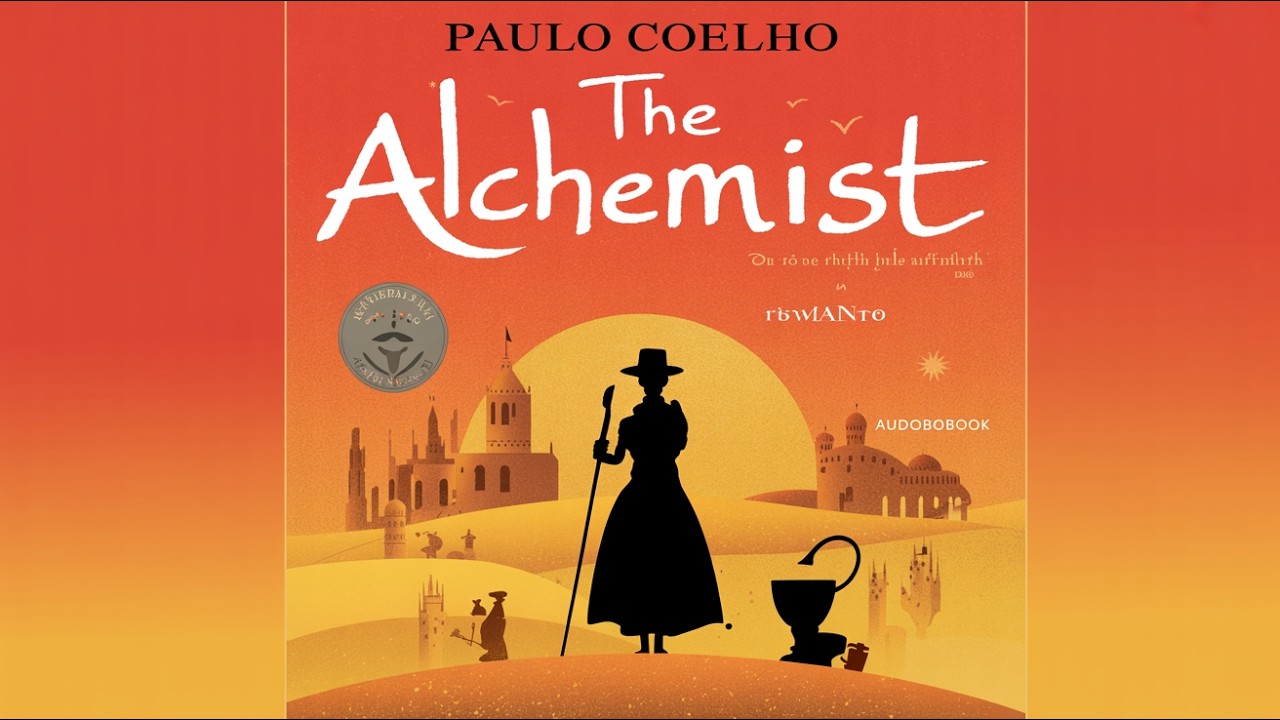
This video summarizes "The Alchemist" by Paulo Coelho, focusing on Santiago's journey, omens, and personal legends. It begins with a story about Narcissus and the lake, setting a theme of self-discovery. Santiago, a shepherd, dreams of treasure at the Egyptian pyramids, prompting him to seek guidance from a Gypsy woman and King Melchizedek. He sells his sheep, travels to Africa, gets robbed, works at a crystal shop, and eventually journeys into the desert with an alchemist, facing trials and learning to listen to his heart.
- The story of Narcissus and the lake introduces the theme of seeing one's own beauty reflected in others.
- Santiago's journey is driven by his recurring dream and the encouragement of various mentors.
- The concept of personal legends and the importance of following one's dreams are central themes.
Prologue: The Story of Narcissus
The video starts with a retelling of the Narcissus myth, but with a twist. In this version, the lake weeps not for Narcissus's beauty, but for its own reflection it could see in his eyes when he knelt by the water. The alchemist in the story finds this version lovely, setting the stage for themes of self-perception and deeper understanding.
Santiago's Initial Life as a Shepherd
Santiago, a shepherd, arrives at an abandoned church with his flock, planning to spend the night. He reflects on his life, his connection with the sheep, and his upcoming reunion with a merchant's daughter whom he met a year prior. He recalls their two-hour conversation and his unusual desire to settle down, a feeling that conflicts with his nomadic lifestyle. Santiago considers the sheep's simple existence and his own purpose, which he defines as traveling and seeing the world.
The Dream and the Gypsy Woman
Santiago arrives in Tarifa, planning to trade his book, get a shave, and prepare for his meeting with the merchant's daughter. He seeks out an old woman to interpret a recurring dream about finding treasure at the Egyptian pyramids. The woman agrees to interpret his dream in exchange for one-tenth of his treasure, should he find it. She tells him to go to the pyramids to find the treasure. Santiago is irritated by her seemingly obvious interpretation but remembers he doesn't have to pay her anything yet.
Meeting King Melchizedek
Santiago encounters an old man in the plaza who claims to be the King of Salem. The old man tells Santiago about personal legends, which are what people have always wanted to accomplish. He says that a mysterious force convinces people that their personal legends are impossible to achieve. The old man writes names and events from Santiago's life in the sand, convincing the boy of his authenticity. The King explains that the universe conspires to help those who pursue their personal legends. He asks for one-tenth of Santiago's flock in return for guidance to the treasure.
Decisions and Omens
Santiago struggles with the decision to pursue his dream or continue his familiar life as a shepherd. He reflects on his conversation with the old man and the jacket he owns. He climbs the city's castle and sees Africa in the distance. He decides to sell his sheep and pursue his personal legend. The next day, Santiago meets the old man and sells him six sheep. The old man gives him two stones, Urim and Thummim, to help him read omens. He tells Santiago a story about a shopkeeper's son who learns the secret of happiness is to see all the marvels of the world and never forget the drops of oil on the spoon. The old man makes strange gestures over the boy's head and walks away.
Tangier and the Thief
Santiago arrives in Tangier and feels out of place in the unfamiliar environment. He is approached by a man who speaks Spanish and offers to guide him to the pyramids. Santiago trusts the man and shows him his money, but the man steals his money. Santiago feels betrayed and alone. He weeps and considers returning to his old life. However, he finds comfort in the stones given to him by the old man and decides to embrace his new role as an adventurer.
Working for the Crystal Merchant
Santiago, now penniless, offers to clean the crystal glasses in a shop window in exchange for food. The crystal merchant hires him, and Santiago begins working at the shop. He learns about the merchant's unfulfilled dream of visiting Mecca and the importance of omens. Santiago proposes new ideas to improve the business, such as building a display case and selling tea in crystal glasses. The merchant is hesitant to change his routine but eventually agrees. The shop becomes successful, and Santiago earns enough money to return to Spain.
The Merchant's Regrets and Santiago's Choice
The crystal merchant explains that the thought of Mecca is what keeps him alive, and he fears that realizing his dream would leave him with no reason to live. Santiago continues to work at the shop, and the business thrives. He considers returning to Spain but feels drawn to continue his journey to the pyramids. He decides to sell tea to the people who climb the hill. The merchant tells Santiago that he could start selling tea in the crystal glasses. The merchant says that he is used to the way things are and doesn't want to change anything because he doesn't know how to deal with change.
Leaving the Crystal Shop
After nearly a year, Santiago prepares to leave the crystal shop. He has earned enough money to buy his sheep back and return to his old life. He says goodbye to the merchant, who gives him his blessing. As he packs, Santiago finds Urim and Thummim and remembers the old king's words. He realizes that he wants to continue his journey to the pyramids. He leaves without saying goodbye to the crystal merchant.
Joining the Caravan and Meeting the Englishman
Santiago seeks a caravan to cross the desert and meets an Englishman who is searching for an alchemist. They join a caravan heading to the Al-Fayoum Oasis. The caravan leader emphasizes obedience and faith in Allah. The Englishman explains his pursuit of the universal language and alchemy.
The Desert and the Caravan's Journey
The caravan travels through the desert, and Santiago observes the landscape and learns from a camel driver about living in the present. The camel driver shares his life story and the importance of not fearing the unknown. The caravan faces rumors of tribal wars and takes precautions to avoid danger. The Englishman and Santiago discuss omens and the universal language.
The Oasis and Fatima
The caravan reaches the Al-Fayoum Oasis, a neutral territory amidst the tribal wars. The travelers are welcomed, and their weapons are confiscated. Santiago meets Fatima at a well and experiences a profound connection, recognizing her as his soulmate. He learns that the alchemist lives in the oasis but is difficult to find.
Love and Personal Legends
Santiago seeks the alchemist while the Englishman continues his experiments. Santiago declares his love for Fatima and asks her to be his wife. She encourages him to pursue his personal legend, even if it means leaving her. The crystal merchant said that he was trying to realize his personal legend and you are at the point where you're about to give it all up.
The Vision and the Alchemist
Santiago has a vision of an army attacking the oasis and warns the tribal chieftains. They agree to break the tradition of neutrality and prepare for battle. Santiago meets a mysterious horseman who tests his courage and reveals himself to be the alchemist.
The Battle and the Test
The oasis is attacked, but the tribesmen are prepared and defeat the enemy. The tribal chieftain rewards Santiago with gold and asks him to become a counselor. Santiago seeks out the alchemist, who agrees to guide him to the pyramids. The alchemist explains that everything has its price.
Alchemy and the Desert
Santiago and the alchemist journey deeper into the desert. The alchemist explains the principles of alchemy and the importance of listening to one's heart. He shares a story about a Roman centurion whose words were remembered for generations. The alchemist tells the boy to place the shell over his ear.
The Test of Courage
Three armed tribesmen stop Santiago and the alchemist. The alchemist tells them that the boy is an alchemist who can turn himself into the wind. The tribesmen are intrigued and demand to see it. The alchemist tells the boy that he has to learn to turn himself into the wind.
Turning into the Wind
Santiago seeks help from the desert, the wind, and the sun to turn himself into the wind. He communicates with them and learns about love and the soul of the world. He prays to the hand that wrote all and performs a miracle, transforming himself into the wind.
The Monastery and the Gold
The alchemist transforms lead into gold at a Coptic monastery and divides it into portions for the monk, Santiago, and himself. He warns Santiago about the proverb that everything that happens twice will surely happen a third time. The alchemist tells Santiago a story about dreams.
The Treasure and the Recurring Dream
Santiago continues his journey to the pyramids. His heart tells him to be aware of the place where he is brought to tears. He arrives at the pyramids and weeps. He is attacked by refugees who steal his gold and beat him. One of the refugees reveals that he had a recurring dream about a treasure hidden in a ruined church in Spain. Santiago realizes that his treasure is not at the pyramids but back at the church where his journey began.
Finding the Treasure
Santiago returns to the ruined church in Spain and begins digging at the base of the sycamore tree. He finds a chest of Spanish gold coins and precious stones. He remembers his promise to give one-tenth of his treasure to the Gypsy woman. The wind brings the scent of Fatima, and Santiago knows that he must return to her.
Epilogue: The Warrior of Light
The video concludes with a story about a warrior of light. A woman tells a boy about a temple with many bells. The boy goes to the place she had indicated. He sat down on the beach and stared out at the horizon, but he saw only what he always saw, blue sky and ocean. The woman hands him a blue notebook full of blank pages. She tells him that a warrior of the light values a child's eyes because they are able to look at the world without bitterness.

