
Brief Summary
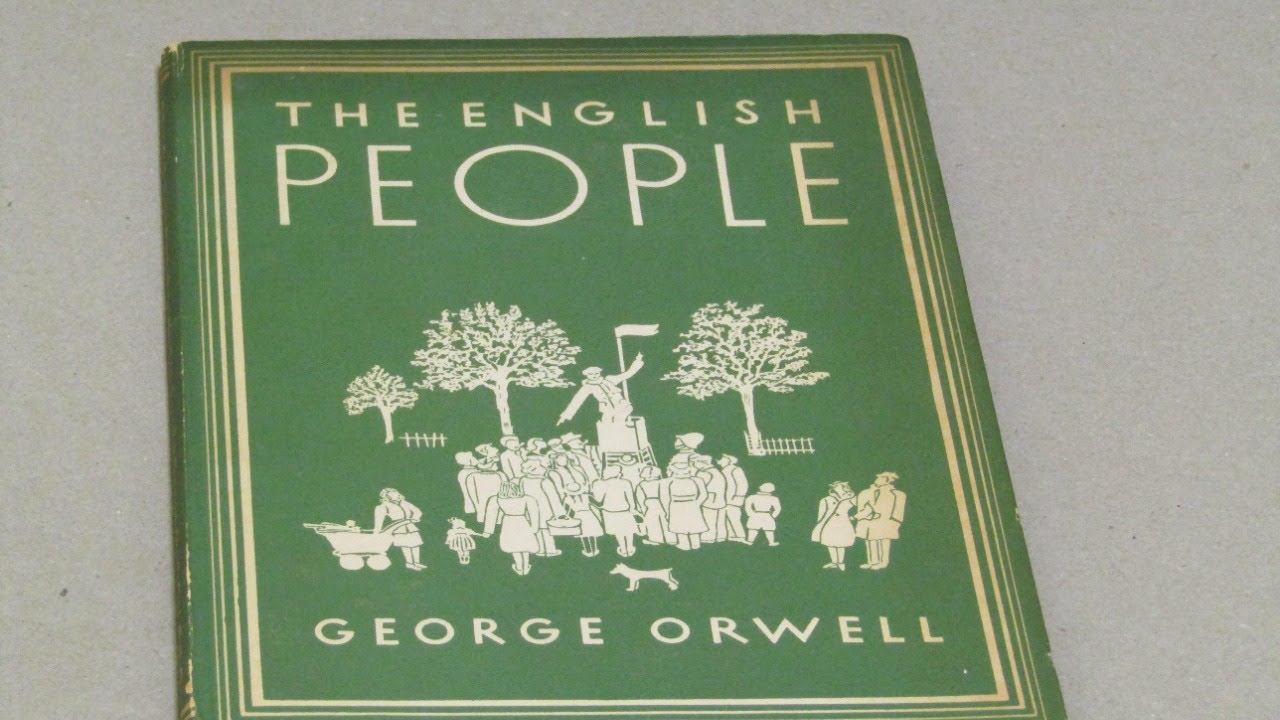
The video features Academic Agent reading and commenting on a pamphlet written by George Orwell during World War II, commissioned by the Ministry of Information but later disowned by Orwell. The pamphlet, which Orwell never allowed to be republished, offers observations on the English character and society during wartime. Key points include:
- A foreign observer's view of English traits like artistic insensibility, gentleness, and xenophobia.
- The contrast between the England of the past and the present, particularly regarding brutality and physical types.
- The role of national identity and myths in shaping behavior, especially during times of crisis.
- The decline of organized religion and the persistence of a moral quality described as "decency."
- The impact of puritanism and hypocrisy on English society, as well as attitudes towards gambling, drinking and freedom.
Introduction
Academic Agent introduces a rare pamphlet written by George Orwell during World War II for the Ministry of Information. Orwell later disowned this work and never allowed it to be republished. The pamphlet offers observations on the English character and society during wartime. Academic Agent expresses his interest in the pamphlet's subject matter and decides to read through a portion of it on the stream.
England at First Glance
The text describes how foreign visitors often overlook the English people, with caricatures in Continental papers focusing on the property-owning class. The war brought foreigners into contact with ordinary English people, revealing that the "real England" is not the one of guide books. A foreign observer would note artistic insensibility, gentleness, respect for the law, suspicion of foreigners, sentimentality about animals, hypocrisy, class distinctions, and an obsession with sport as salient characteristics of the English.
Artistic Sensibility and Gentleness
The text discusses the lack of artistic sensibility among the English, noting the destruction of beautiful countryside and ancient monuments without popular protest. However, the English are also characterized by their gentleness, orderly behavior, and consideration for others. This includes forming queues, good temper among overworked people, and helping strangers and blind people.
Legality, Xenophobia, and Sentimentality
England lacks a revolutionary tradition, with the masses generally believing that "against the law" is synonymous with "wrong." There's a general confidence in the administration of the law. Xenophobia is stronger among the working class, making it difficult for them to get along with foreigners due to differences in habits, food, and language. The English working class often views speaking foreign languages as effeminate, reinforcing xenophobia through class jealousy.
Hypocrisy and Class Distinctions
The text explores English sentimentality about animals, exemplified by dog cemeteries and animal ARP centers. Hypocrisy is prevalent, particularly in laws regarding gambling, drinking, prostitution, and profanity. Exaggerated class distinctions are diminishing but still noticeable, with differences in manners, clothes, appearance, and even physical type. The English working class is described as "branded on the tongue" due to their language and accent.
Sport and National Character
The English invented and popularized many of the world's most popular games, enjoying playing and betting on them to a degree that foreigners find childish. The text questions whether there is such a thing as the English character, noting the contrast between the brutality of the past and the gentleness of the present. Despite this, there is a sense of continuity and shared understanding of institutions among the English.
National Solidarity and Moral Outlook
National solidarity is stronger than class antagonism in Britain, as demonstrated during the bad period of 1940. The stolid behavior of the British population under bombing was partly due to their preconceived idea of themselves as phlegmatic and unimaginative. The English willingly accept the Bulldog as their national emblem, admitting that foreigners are more "clever" but believing that England should not be ruled by foreigners. The English have produced poets and scientists rather than philosophers or theorists, with a profound patriotic myth and an inability to think logically.
Religion, Power Worship, and the Underdog
Organized religion has little hold on the mass of the English people, but they have retained a Christian-rooted non-acceptance of the modern Cult of power worship. The British intelligentsia have been influenced by European ideas, including communism, Fascism, and pacifism, which are seen as forms of power worship. The English tend to support the weaker side, admiring a good loser and easily forgiving failures.
Foreign Policy and Hatred of Bullying
The English people generally side with the underdog in foreign politics, as seen in their support for Finland against the USSR and the North against the South in the American Civil War. This tendency derives from the balance of power policy. The English have a general hatred of bullying and terrorism, meaning that violent criminals receive little sympathy.
Puritanism and Hypocrisy
The English working masses are not puritanical, but puritanism has been forced upon them by the class of small Traders and manufacturers. This had an economic motive, as persuading the working man that recreation was sinful would lead to more work for less money. The exaggerated fear of sexual immorality was partly a protest against the corruption of the later Middle Ages and the introduction of syphilis.
Pleasures and Freedoms
The English working classes are more moral than the upper classes, but the idea that sexuality is wicked has no popular basis. Prostitution is generally disapproved of, and the weakening of sex morals is likely temporary. The temperance movement has only resulted in a slight increase in hypocrisy, with the pub remaining a basic institution of English life. Most forms of gambling are illegal but happen on a large scale. The English will have their bit of fun despite what the "higher ups" may say.
Freedom of Speech and Lack of Intellectuality
The English have a hatred of regimentation and a feeling that spare time is their own. Freedom of the press is theoretical rather than actual due to centralized ownership, but freedom of speech is a reality. The English are not sufficiently interested in intellectual matters to be intolerant about them, and they do not easily grasp the full logical implications of their beliefs.
Decency and Conclusion
The English are not good haters, their memory is short, and their patriotism is largely unconscious. They oppose 20th-century political theories with a moral quality described as decency. The text concludes with an anecdote about the lack of response to the German reoccupation of the Rhineland, followed by the singing of a popular song, suggesting that this was the English answer to Fascism.
Final Thoughts
Academic Agent reflects on the reading, noting that the England described by Orwell in the 1940s is now largely a memory. While some elements remain, many have been subverted, bastardized, or diminished, particularly with the influx of foreign people who do not share those basic tendencies.

