
Brief Summary
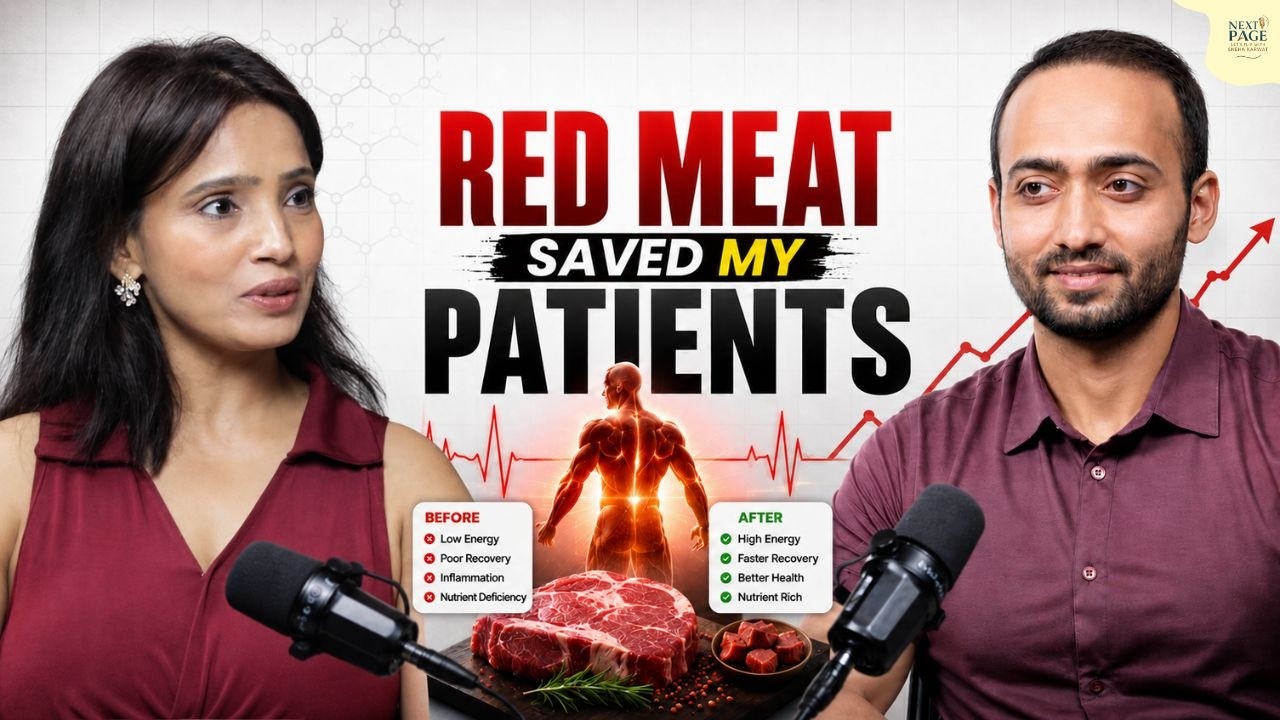
In this podcast episode hosted by Sneha Karwat, Dr. Krish discusses the hypercarnivore diet, addressing various myths related to nutrition. He emphasizes that red meat is a natural and healthy food for humans, while carbohydrates are non-essential. The conversation highlights the impacts of diets on metabolism, the misconceptions around cholesterol and heart disease, and the influence of the sugar industry on dietary recommendations. Furthermore, it covers practical guidance on adopting a hypercarnivore diet, the role of cravings in nutrition deficiencies, and the dietary changes needed for optimal health.
- Hypercarnivore diet focuses on high meat consumption.
- Debunking the myth that cholesterol causes heart disease.
- Carbohydrates are not essential for health.
- Importance of understanding glycation in relation to aging.
The Doctor Who Coins His Own Title
Dr. Krish explains his self-coined title of "metabolic doctor," emphasizing his focus on using diet and nutrition to help patients recover from metabolic illnesses rather than prescribing medications. He describes his practice philosophy as prioritizing a diet-centric approach to health, aiming to reduce the pharmaceutical burden on patients by enhancing their metabolic health through nutrition.
What Is Hypercarnivore Diet
Dr. Krish defines the hypercarnivore diet as one that requires individuals to consume more than 70% of their daily caloric intake from animal products. He discusses the implications of this diet and asserts that it does not negatively affect human energy levels or cause lethargy, challenging common myths about meat consumption.
Red Meat Is Real Human Food
He argues that red meat is the natural food for humans and essential for optimal health. Dr. Krish shares his personal experience of consuming only red meat once a day without feeling hunger, which he interprets as evidence of the meat's nutritional sufficiency. He critiques dietary guidelines that discourage red meat, suggesting that frequent eating is unhealthy and that nutritional capacity is fulfilled solely through red meat.
Carbohydrates Are Non Essential
Dr. Krish explains that carbohydrates are a non-essential macronutrient and ideally should be avoided. He highlights that many people assume they need fiber for health, but in his practice, he has not seen any patient improve after increasing fiber intake. He stresses that the human body can thrive on a diet predominantly composed of meat and minimal plant-based foods.
How To Start Hypercarnivore Diet
In discussing how to adopt a hypercarnivore diet, Dr. Krish recommends focusing on incorporating 70-80% animal products such as meat and eggs into one's diet, while limiting plant-based foods to 20-30%. He suggests starting with entire eggs for breakfast for their nutritional benefits and advises on customizing the meat-to-plant ratio based on individual health needs.
Cholesterol Does Not Cause Heart Disease
Challenging widely-held beliefs, Dr. Krish argues that cholesterol does not cause heart disease. He claims that the narrative surrounding cholesterol was influenced by the sugar industry as a means to shift blame from sugar consumption to dietary fat. He explains that actual heart disease is linked to damage caused by hypertension and high blood sugar levels, not by cholesterol intake.
Sugar Industry Created The Fat Myth
Dr. Krish discusses the role of the sugar industry in creating the misconception about dietary fat being harmful while promoting carbohydrate-rich diets. He traces the history of dietary guidelines that favored carbohydrates over fats and explains how this shift in focus contributed to rising health issues such as obesity and metabolic diseases.
Wheat vs Meat The Real Difference
He differentiates between wheat and meat, suggesting that wheat consumption is inherently problematic due to gluten, citing its association with various health issues. He emphasizes that meat should be the primary food source for humans while advocating for the removal of wheat from diets to promote better health outcomes.
Why Indians Are Lazy And Weak
Dr. Krish attributes the perceived laziness and weakness among Indians to dietary choices, particularly the reliance on plant-based diets. He argues that the lack of animal protein contributes to a lack of motivation and physical vitality, proposing that a return to meat consumption would improve overall health and energy levels.
Virat Kohli Is Not Vegetarian
He challenges the perception of famous athletes, like Virat Kohli, as vegetarians, implying that they may not follow strict vegetarian diets as claimed. Dr. Krish suggests that many public figures misrepresent their diets, which may negatively influence public health narratives.
One Meal A Day Does It Work
Dr. Krish discusses the concept of One Meal A Day (OMAD) and evaluates its effectiveness. While he mentions that some people can thrive on this diet, he highlights that it is not necessary for everyone and that flexibility in meal timing should be based on individual needs and satiety levels.
Cravings Are A Nutrition Deficiency
He connects cravings to potential nutritional deficiencies, suggesting that cravings arise when the body signals a need for specific nutrients, particularly those not found in a standard plant-based diet. Dr. Krish advises on understanding cravings as cues for dietary adjustments rather than indulging them blindly.
What To Remove First From Indian Diet
Dr. Krish recommends removing wheat first from the Indian diet due to its gluten content, which is linked to various health issues. He suggests that making this change would result in significant improvements in health for many individuals, considering wheat as a primary problematic food.
Glycation The Real Cause Of Aging
He discusses glycation as a significant contributor to aging and emphasizes that the consumption of carbohydrates leads to glucose spikes, resulting in glycation of proteins. Dr. Krish suggests that adopting a low-carbohydrate diet, particularly focusing on meat consumption, can slow down the aging process by mitigating glycation effects on the body.

