
Brief Summary
The video presents a dialogue between three ancient gods, exploring themes of existence, creation, and the nature of humanity. The first god expresses weariness and a desire for oblivion, while the second embraces the cycle of creation and destruction, finding purpose in manipulating human life. The third god is captivated by human love and celebrates its power, ultimately choosing to experience it directly. The gods discuss their roles, their relationship to humanity, and the meaning of their immortality, with contrasting views on whether to engage with or detach from the world they have shaped.
- Three ancient gods discuss their existence and relationship to humanity.
- The first god desires oblivion, the second manipulates human life, and the third embraces human love.
- The dialogue explores themes of creation, destruction, and the meaning of immortality.
The Weary God
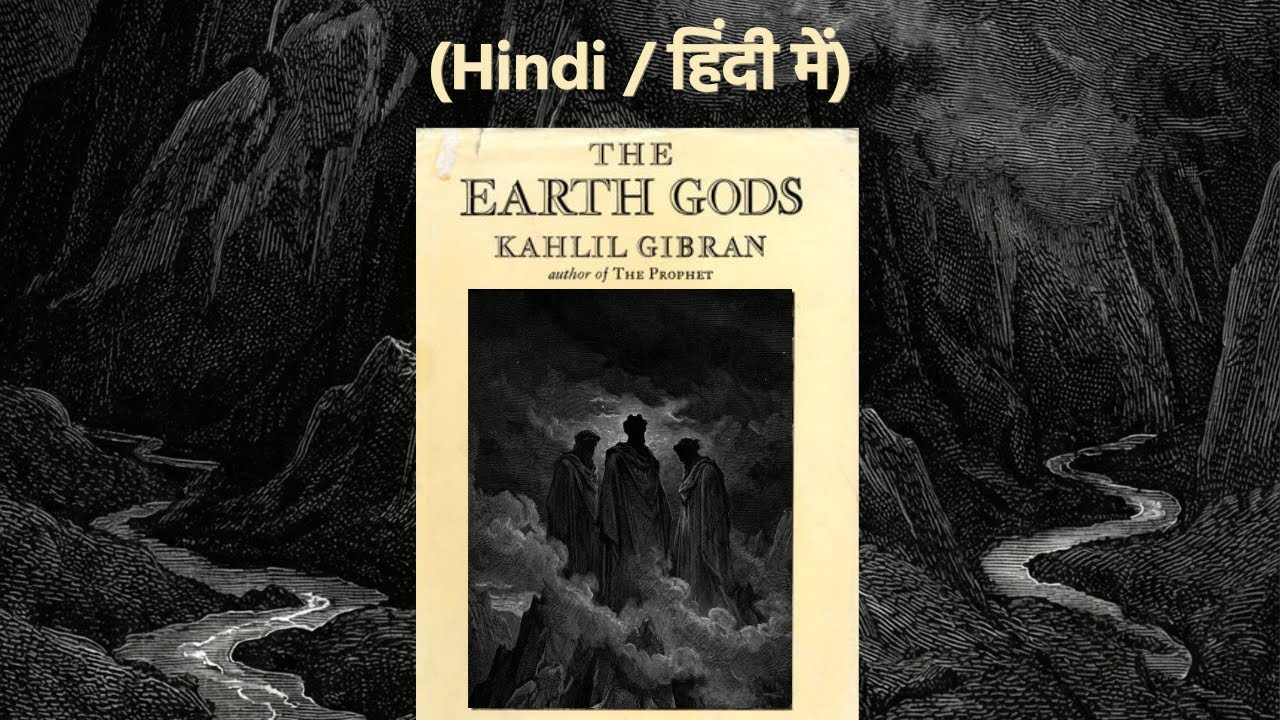
Three gods appear on mountains, their presence marked by flowing rivers and swirling fog. The first god expresses disgust at the smell of death and decay carried by the wind, longing for a place free from such odors and yearning for oblivion, burdened by the weight of ages and the constant sorrow of the seas. He wishes to relinquish his powers and fade away like a spent sun, escaping the memories of time and dissolving into nothingness.
The Manipulative God
The second god embraces the scent of burning flesh, seeing it as the essence of life and sacrifice. He rejects the idea of self-destruction, choosing instead to engage with the world by influencing the cycle of life and death. He envisions elevating humanity while keeping them grounded, instilling in them a thirst for life and a constant companion in death. He plans to give them love intertwined with pain, dreams of good days during the night, and visions of happy nights during the day, ultimately making their days and nights indistinguishable.
The Singing Youth and Dancing Girl
The third god draws attention to a youth singing in the valley, captivated by the beauty and artistry of his song. The second god asserts that gods thrive on sacrifice, their thirst quenched by blood and their hearts gladdened by young souls. He sees humanity as a vine they have cultivated, and now that it bears fruit, they should partake in it. He argues that human glory begins when their breath is taken by the gods, emphasizing that human existence is meaningless unless elevated by divine intervention.
The Nature of Humanity
The first god declares his distaste for the "light blood" of the human race, finding the cup tainted and the wine bitter. He recounts his own acts of creation, shaping life from clay and kindling fire in the darkness, but finds it all empty and futile. He laments that waking is useless, sleep is empty, and dreams are triply so. The third god then points out a girl dancing for the moon, adorned with stars and feathers, drawing the gods' attention to her beauty and vitality.
The Divine Purpose
The second god argues that they have nurtured humanity like a vine, protecting it from harsh elements and dark forces. Now that the vine has yielded grapes, they should harvest it to make wine and fill their cups. He emphasizes that humanity is the food of the gods, and their purpose is to be consumed by them. He reiterates that anything human is worthless unless it is elevated by the gods, comparing it to silent grain becoming a song when eaten by a nightingale.
The Thirst for the Unknown
The third god notes that the youth is singing with increased fervor, his voice shaking the forest and piercing the sky. The second god dismisses this, offering comfort to the weary first god but acknowledging the unbridgeable distance between gods. He reminds the first god of their shared creation of the world, from the initial sound that brought life to the seas to the creation of humanity as a reflection of themselves. He emphasizes that through humanity, they explore the world and express their will.
The Burden of Divinity
The gods acknowledge that they dream through humanity's sleep and guide their days, directing the storms that cleanse the world and leading humanity towards conflict and triumph. They see humanity as born for slavery, finding honor and reward in it, and use them as a voice and a means of self-fulfillment. The third god observes that the dancing girl's feet are intoxicated by the song, her hands reaching towards the sky like doves.
The Longing for Transcendence
The first god expresses his boundless and immeasurable love for himself, desiring to transcend his earthly ties and seat himself among the heavens. He envisions encompassing the cosmos and conquering infinity, but acknowledges that the others will not allow it. He is reminded of his past, when his soul sought itself among the mountains and his eyes chased his reflection in the sleeping waters. He questions the nature of his divinity and the burden of life imposed upon him.
The Embrace of the Present
The third god points out that the girl has heard the song and is searching for the singer, leaping over rocks and streams with joyful abandon. He marvels at the joy in human intention and the smiles on lips trembling with the promise of meeting. The second god reminds the first of the sacred loom and the art of weaving, urging him not to withhold himself from creating. He argues that the first god's hands have woven the human soul from living air and fire, and he should not abandon his craft.
The Meeting of Souls
The third god announces that the girl has found the singer, their eyes meeting with intense emotion. He questions whether another god has woven this red and white web of passion, wondering whose reign is preventing night from becoming morning and whose hand is upon their world. The first god laments his soul's isolation and its insatiable hunger, questioning where it can find sustenance and purpose. He describes his soul as a ship laden with desires, trapped on land with no wind to fill its sails.
The Acceptance of Fate
The second god urges the first to cease his lamentations, reminding him that the ears of eternity are deaf and the heavens indifferent. He asserts that they are the ultimate beings, and the unknown the first god seeks resides within his own soul. He encourages the first god to embrace his flock and gather in his own shadow, urging him to look down upon the world and see the children of his love. He reminds him that Earth is his home and his throne, and his hand holds the fate of humanity.
The Power of Love
The first god questions whether the morning embraces the heart of the night or the sea cares for the bodies of the dead. He declares that his soul rises naked and unburdened, and his heart casts off the decaying remnants of humanity and Earth. The third god announces that the couple is meeting, their souls colliding in the sky, and in the silence, they are seeing each other. He notes that the youth is no longer singing, but his throat still throbs with song, and the joyful dance is paused but not extinguished.
The Cycle Continues
The second god emphasizes the importance of being, rising, walking before the burning sun, and experiencing the nights of the living. He contrasts this with the unknowing existence of the tent maker and the potter, asserting that the gods are free from guesswork and reliance on fate. He urges contentment and the release of dreams, encouraging them to flow into the sea like rivers, merging and ceasing their endless debate.
Rebellion and Resignation
The first god expresses his weariness with the constant prediction of the future, the endless cycle of remembering and forgetting, and the unchanging sequence of rising from dust to mist only to return to dust. He questions whether his soul must be a sea with conflicting currents or a sky with warring winds. He laments that he is neither human nor the ultimate God, but merely the twilight between horizons, bound to a world he both holds and is held by. He rebels against this fate, seeking to dissolve himself into emptiness and escape their gaze.
The Song of Creation
The third god asserts that he speaks, but they only hear their own words. He urges them to see their glory, but they turn away and close their eyes. He describes them as rulers of the upper and lower worlds, lost in themselves and weary of their own pronouncements. He compares their strife to the sound of an old instrument, its strings half-forgotten by the fingers that created the constellations. He implores them to listen to the song of creation, embodied in the man and woman joined in fiery passion.
The Triumph of Love
The second god acknowledges the love between the man and woman, noting how the east wind dances with her feet and the west wind rises singing with his songs. He declares that their sacred purpose is now enthroned in the devotion of a soul that sings for a body that dances. The first god refuses to look down upon the pride of Earth and its children, dismissing their slow yearning as mere love, a muffled drum leading to further yearning.
The Mystery of Love
The third god laments the veil of knowledge, prying, and questioning that they have cast over the world, challenging human endurance. He describes their actions as suppressing a wax doll under stone and holding a white flame in their hands, claiming it as a returning piece of themselves. He argues that as gods of the Earth, they are still bound to it, desiring the golden hours of human destiny through humanity. He questions whether their wisdom will steal beauty from their eyes, their measures will quell their passion, or their armies of reason will prevail where love sets its forces.
The Embrace of Beauty
The second god asks if the first is seeking a distant planet, urging him to consider the star where his veins are rooted. He asserts that there is no center in space except where self is bound to self, and beauty fills their hands, shaming their lips. He declares that the farthest is the nearest, and where beauty is, there is everything. He calls upon the first god to return from the misty borders of time, to release his feet from nowhere and never, and to remain with them in the security they have built together.
The Sacrifice of a God
The first god declares that if the altar truly requires a god for sacrifice, he will offer himself, along with his passion and pain. He acknowledges that the dancing girl and the singer are products of their ancient curiosity, and in their dance and song, a god within him has died. He states that his human ribs contain his divine heart, which is now calling out to the divinity. He recognizes that beauty is the path that leads to itself through self-annihilation and vows to follow it.
The Dawn of a New World
The third god proclaims that love conquers, whether by the white and green shores of a lake or in the haughty pride of a tower. He asserts that love in a garden or in an untouched desert is their God and master. He describes love as not a useless decay of the body or a collapse of desire, but as the body taking up arms against the soul. He declares that love does not rebel but simply leaves the trampled path of old fates for the sacred grove, so that its reign can sing and dance to eternity.
The Legacy of Love
The second god states that this has been the case since the first morning surrendered the plains to the mountains and valleys, and it will remain so until the last evening. He says that their roots have produced dancing branches in the valley, and they are the plaything of the fragrance of the song that rises to the heights. He describes the immortal and mortal twin rivers calling to the sea, with no emptiness between the call and the answer, only in the ear. He says that time makes their hearing more certain and gives it more desire, and only doubt silences the voice in the mortal.
The Final Choice
The first god tells the singer to shout and the dancer to turn her feet, asking to be content for a while and for his soul to be calm tonight. He hopes that perhaps he will awaken and see a more brilliant world rising, with beings as flexible as stars for his mind. The third god declares that he will rise and shed time and space from himself, dancing in the untouched field with the dancer's feet matching his, and singing in the high air with a human voice throbbing within his own. He says that they will pass into that twilight, perhaps to awaken in the morning of another world, but love will remain, and its fingerprints will not be erased. He concludes that it is better and wiser for them to find a shady corner and sleep in their earthly divinity, allowing love, which is human and fragile, to rule the coming day.

