
Brief Summary
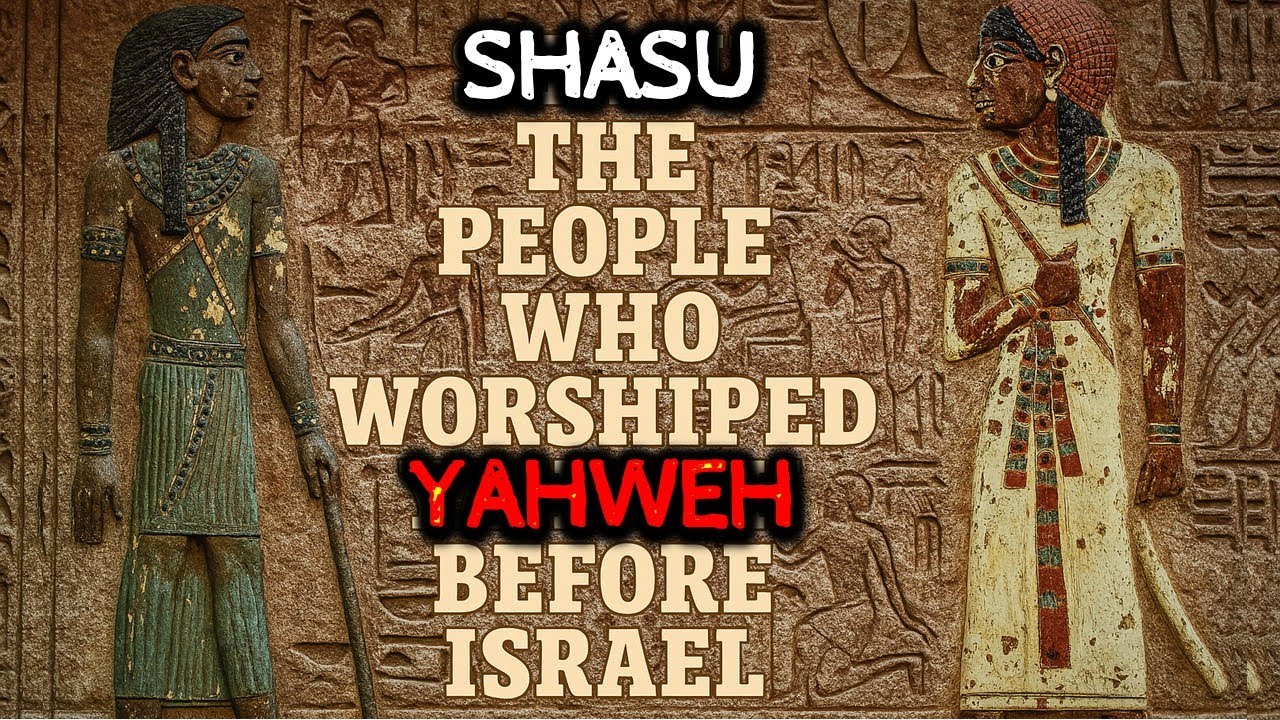
This video explores the worship of Yahweh before the establishment of Israel, revealing that knowledge and worship of Him existed among various individuals and cultures predating the Israelite nation. It highlights figures like Enosh, Melchizedek, Jethro, and Job, who, despite not being Israelites, recognized and honored Yahweh. The video emphasizes that God's reach and revelation have always extended beyond specific nations or groups, inviting all who seek Him.
- Yahweh's name and worship existed before Israel.
- God's reach extends beyond national boundaries.
- Individuals from various cultures recognized and worshiped Yahweh.
Introduction: The Mystery of Yahweh's Worship Before Israel
The video begins by posing the question of whether Yahweh was known only to Israel or if His name and worship reached people before the nation existed. It highlights that even before Moses and the Ten Commandments, there were traces of Yahweh. The video aims to uncover who these ancient people were, how they worshiped Yahweh, and what this reveals about God's plan for humanity beyond borders and timelines.
The Revelation of Yahweh's Name to Moses
The video references Exodus 3, where Moses asks God His name, and God responds, "I am who I am," later identifying Himself as Yahweh, the God of Abraham, Isaac, and Jacob. It emphasizes that the phrase "God of your ancestors" suggests that the name Yahweh was known before Moses. The name Yahweh, rooted in Hebrew, signifies existence and speaks of a God who always was, is, and will be.
Yahweh in Genesis: Calling Upon the Lord
The video explores Genesis 4:26, noting that people began to call upon the name of the Lord (Yahweh) during the time of Enosh, the grandson of Adam, just a few generations after creation. It raises the question of how they knew His name and who taught them to call on Yahweh, suggesting that God was revealing Himself to those who sought Him. Additionally, Genesis 12:8 is mentioned, where Abraham builds an altar and calls upon the name of Yahweh in Canaan, indicating that Abraham was calling on a name already familiar to his family line.
Melchizedek: Priest of God Most High
The video introduces Melchizedek from Genesis 14, a mysterious figure who was a priest of God Most High before Moses or the Levitical priesthood. Abraham recognized him and tithed to him. Melchizedek blessed Abram, acknowledging God Most High as the creator of heaven and earth. The video questions Melchizedek's origins and how he knew about Yahweh, noting that he wasn't part of Abraham's family or from Israel. Hebrews 7 adds to the mystery, describing Melchizedek without father, mother, genealogy, beginning, or end, with some scholars suggesting he was a Christlike figure. Melchizedek's existence proves that the worship of Yahweh was active outside Abraham's household, indicating that God was planting seeds of truth across the world.
Jethro: Priest of Midian and Moses' Father-in-Law
The video discusses Jethro, the priest of Midian and Moses' father-in-law, who was not an Israelite but a priest of the true God even before Moses received the law. In Exodus 18, Jethro rejoices in what Yahweh had done for Israel and proclaims that Yahweh is greater than all gods, offering sacrifices to Him. Jethro's acceptance and fellowship with Israel's leaders demonstrate that God was moving outside Israel's borders, revealing Himself to seekers in distant lands.
Job: A Non-Israelite's Intimate Knowledge of God
The video explores the Book of Job, noting that Job was not from Israel but had a deep relationship with God. Job refers to God as Yahweh and expresses a longing to speak with Him, declaring his faith in a living redeemer. Job's friends also spoke of God, indicating that the knowledge of Yahweh was not limited to Israel but was known and worshiped by people worldwide. Romans 1:19-20 is referenced, stating that God's attributes have been clearly perceived since creation.
Balaam: A Gentile Prophet Who Heard from Yahweh
The video introduces Balaam, a non-Israelite prophet from near the Euphrates, who was able to hear directly from Yahweh. In Numbers 22, God speaks directly to Balaam, and Balaam uses the covenant name of God, Yahweh. Despite Balaam's flawed character, God used him to proclaim blessings over Israel and even a messianic vision. This demonstrates that Yahweh's voice is not limited by location, lineage, or human plans, and God's purposes prevail even when people try to manipulate Him.
The Significance: God's Heart for the Whole World
The video concludes by emphasizing that the worship of Yahweh before Israel reminds us that God's heart has always been for the whole world. Yahweh made Himself known to anyone who would seek Him, working through quiet hearts in forgotten lands and calling people to Himself before any written covenant. The video encourages listeners to seek God, listen for His voice, and respond to the God who has been reaching across centuries and cultures to find them, noting that everyone who calls on the name of the Lord (Yahweh) will be saved, a name revealed in the New Testament as Yeshua (Jesus).

