
Brief Summary
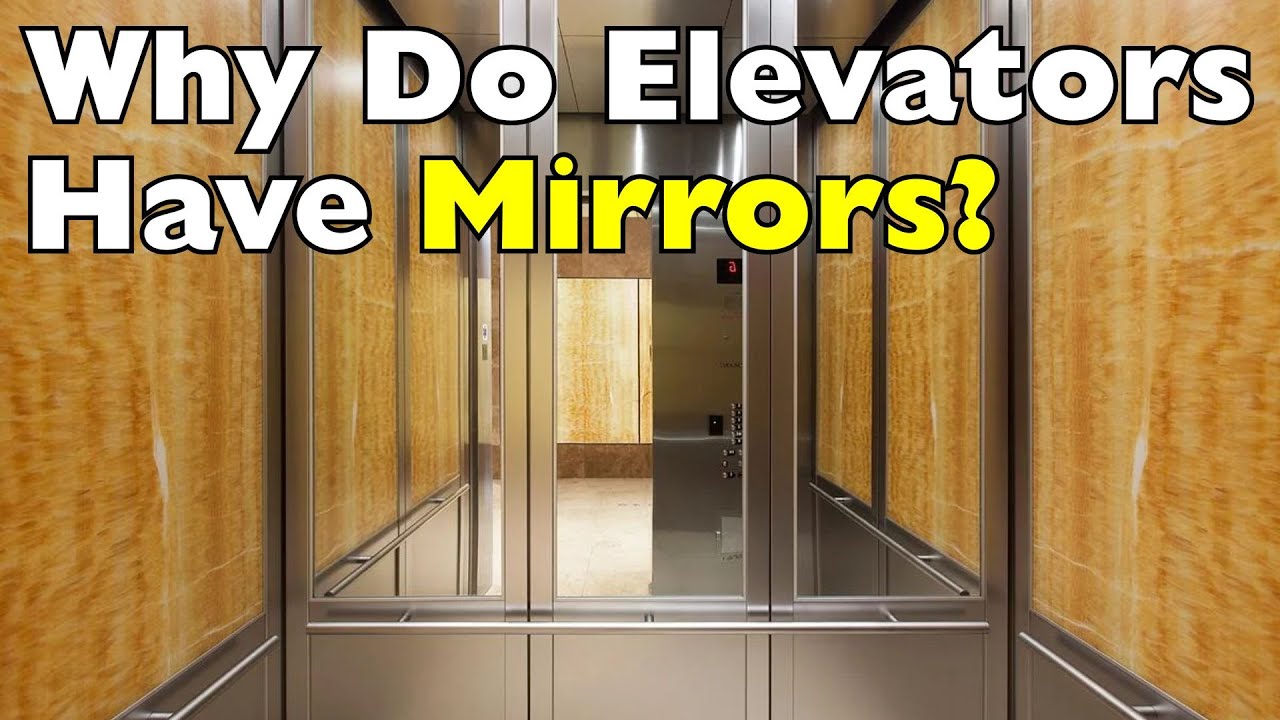
This video explores the multifaceted reasons behind the presence of mirrors in elevators, revealing that they serve purposes far beyond mere aesthetics. Mirrors address psychological, safety, accessibility, and even engineering challenges. They create an illusion of space to combat claustrophobia, distract riders from the perceived slowness of early elevators, aid wheelchair users in maneuvering, reduce social awkwardness, and enhance the overall design and aesthetic of the elevator.
- Mirrors create an illusion of space to combat claustrophobia.
- Mirrors distract riders from the perceived slowness of early elevators.
- Mirrors aid wheelchair users in maneuvering.
- Mirrors reduce social awkwardness.
- Mirrors enhance the overall design and aesthetic of the elevator.
Introduction
The video introduces the common feature of mirrors in elevators, questioning their purpose beyond simple vanity. It suggests that mirrors serve multiple functions, acting as a design solution to address psychology, safety, accessibility, and engineering challenges associated with small, enclosed spaces. The video promises to explore the history and function of mirrors in elevators.
The history of mirrors in elevators
The video explains that mirrors were introduced to elevators in the late 19th and early 20th centuries to combat the feeling of confinement and claustrophobia that passengers experienced. Mirrors create an illusion of space, making the elevator feel larger and more open, which helps to reduce stress and anxiety associated with being in a small, enclosed environment. The implementation of mirrors was as much about passenger comfort as it was about design.
Mirrors as a solution to claustrophobia
Mirrors create the illusion of space, making small areas appear larger and less cramped. This helps passengers feel less boxed in and more comfortable, reducing the stress associated with being in a confined environment, especially for those prone to claustrophobia.
How mirrors reduced “slow elevator” complaints
One unexpected reason for installing mirrors in elevators was to address complaints about slow speed. Early elevators were slower than modern ones, leading to passenger frustration. Mirrors provided a distraction, occupying passengers as they checked their appearance, which made the ride feel shorter. This psychological trick effectively reduced complaints about the elevators' speed, positioning mirrors as an early form of distraction technology.
Accessibility and safety benefits for wheelchair users
Mirrors in elevators offer significant accessibility benefits, particularly for wheelchair users. They allow wheelchair users to see behind them when exiting the elevator, which is crucial since most elevators have only one door and may require them to back out. This feature enhances safety and inclusivity, making elevators more usable for individuals with mobility challenges.
Reducing social awkwardness in small spaces
Elevators can be socially awkward environments due to the close proximity with strangers in silence. Mirrors offer a polite way to avoid direct eye contact, reducing social discomfort. They also provide a sense of control and safety by allowing people to see who else is in the elevator without turning around, which is particularly helpful for those with social anxiety.
Mirrors as a design and aesthetic choice
From an architectural perspective, mirrors contribute to the elegance and modern look of elevators, creating a more luxurious atmosphere. High-end buildings often combine mirrors with materials like stainless steel and decorative lighting to enhance sophistication. Mirrors transform elevators from plain metal boxes into integral parts of the building's overall design, bridging functionality with interior aesthetics.
Why mirrors remain important today
The continued use of mirrors in elevators also reflects cultural psychology, as people generally enjoy looking at themselves. This self-reflection, even if subconscious, helps pass the time and makes the ride less dull. Despite technological advancements that offer alternative distractions, mirrors remain a standard feature due to their proven effectiveness, accessibility benefits, and established expectation. They continue to play a role in reducing claustrophobia, enhancing design, and assisting people with disabilities.
Conclusion
The video concludes by reiterating that mirrors in elevators serve multiple purposes beyond vanity, including making the space feel larger, distracting from wait times, reducing complaints, improving safety for wheelchair users, easing social tension, and adding elegance. This design choice exemplifies how thoughtful solutions can address practical problems in subtle yet impactful ways. The presence of mirrors in elevators highlights the fascinating stories behind even the simplest design decisions.

