
Brief Summary
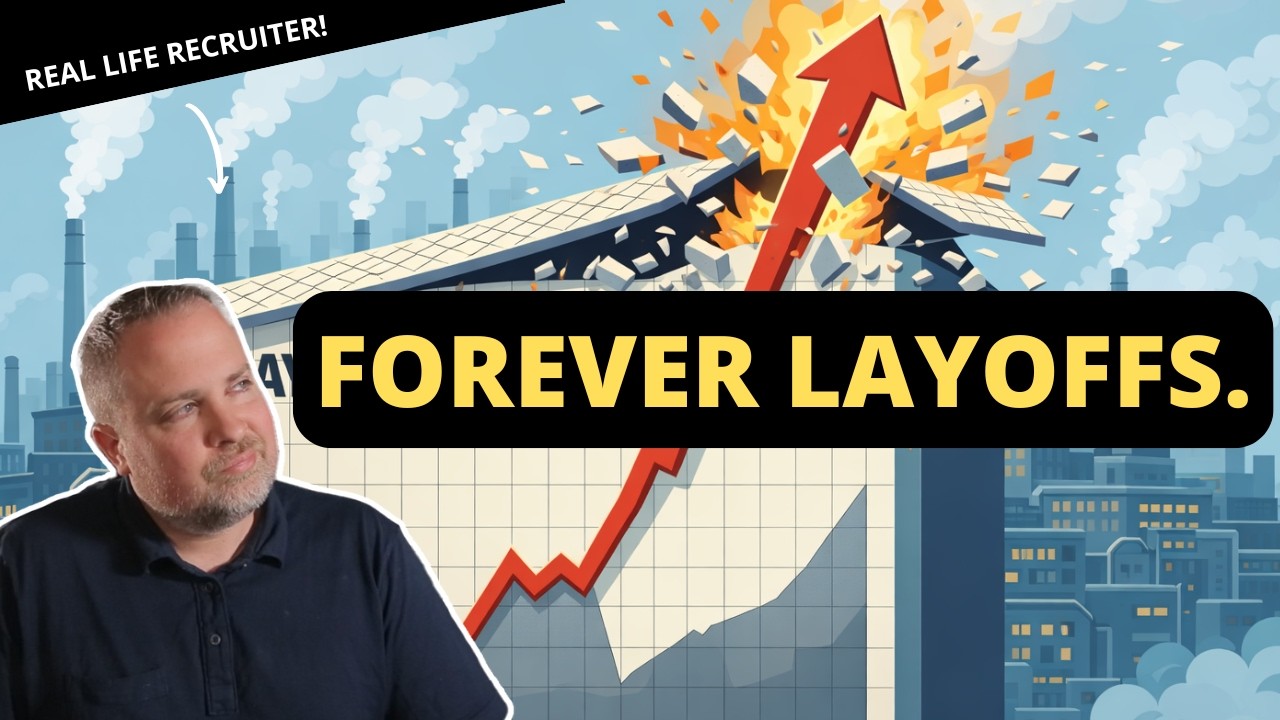
The video discusses the trend of "forever layoffs," where companies are opting for small, continuous layoffs instead of large, infrequent ones to cut costs and avoid negative publicity. It explores the reasons behind this shift, including cost savings and flexibility, and the impact on employees, who face increased workloads and job insecurity. The video also provides actionable advice on how to protect oneself in this new reality by focusing on results, making one's value visible, building alternative income streams, and staying prepared for potential job loss.
- Companies are shifting towards small, continuous layoffs to avoid negative PR and save costs.
- This trend increases job insecurity and workload for remaining employees.
- Focus on results, visibility, alternative income, and preparedness are key to resilience.
The Forever Layoff Trend
The video introduces the concept of "forever layoffs," characterized by the quiet disappearance of employees without announcement, reflecting a shift in how companies manage workforce reductions. Instead of large, headline-grabbing layoffs, companies are now implementing small, continuous layoffs to stay under the radar. According to Glassdoor, small layoffs, defined as those affecting fewer than 50 people, now account for 51% of all WARN Act notices, a significant increase from 38% in 2015. These smaller layoffs often go unreported, leading to "quiet eliminations." Job cuts announced in 2025 were 54% higher than in 2024, reaching levels not seen since the Great Recession in 2009. Employee reviews on Glassdoor indicate heightened anxiety about job security, even exceeding levels during the peak of the pandemic in March 2020.
Why Is It Happening
The trend of "forever layoffs" is driven by several factors. First, it helps companies avoid negative press, as smaller layoffs are less likely to attract media attention and concern from customers and investors. Second, it reduces severance costs, as companies can offer lower severance packages and negotiate terms more easily in smaller layoff events. Third, it provides executives with maximum flexibility to adjust headcount in response to market shifts, budget changes, and technological advancements like AI. The redistributed workload from laid-off employees increases pressure on remaining staff, who must take on additional responsibilities without additional compensation, creating a climate of constant fear and job insecurity. Additionally, companies are converting full-time positions into contract roles and splitting jobs into smaller, part-time gigs to reduce costs and benefits expenses. Currently, 36% of the American workforce is engaged in the gig economy, and this number is expected to rise.
What You Can Do to Protect Yourself
To protect oneself in the era of "forever layoffs," the video advises focusing on results rather than tasks. Leaders prioritize outcomes such as increased revenue, reduced costs, and problem-solving, so it's crucial to track and quantify the impact of your work. Make sure everyone knows what you deliver by strategically communicating your impact through updates, team decks, and active participation in meetings. Visibility is key to ensuring decision-makers recognize your contributions. Building alternative income streams, such as consulting, freelancing, or content creation, is also essential to reduce financial dependence on a single employer. This provides options and reduces desperation in case of a layoff. Finally, always be ready by keeping your resume current, documenting your accomplishments, and actively networking within your industry.
Getting Help If You're Laid Off
The video highlights the importance of being prepared for potential layoffs by maintaining an up-to-date resume, documenting achievements, and actively networking within your industry. It also mentions resources like Ré Rocket Fuel, which teaches how to write effective resumes, and Unlocking LinkedIn, which provides strategies for professional networking. The key takeaway is that constant small cuts are more efficient and less visible for companies, saving money and avoiding negative headlines. To navigate this reality, individuals should focus on results, make their value visible, build alternative income streams, and stay prepared. While these steps won't guarantee job security, they will build resilience, which is crucial in today's job market.

