
Brief Summary
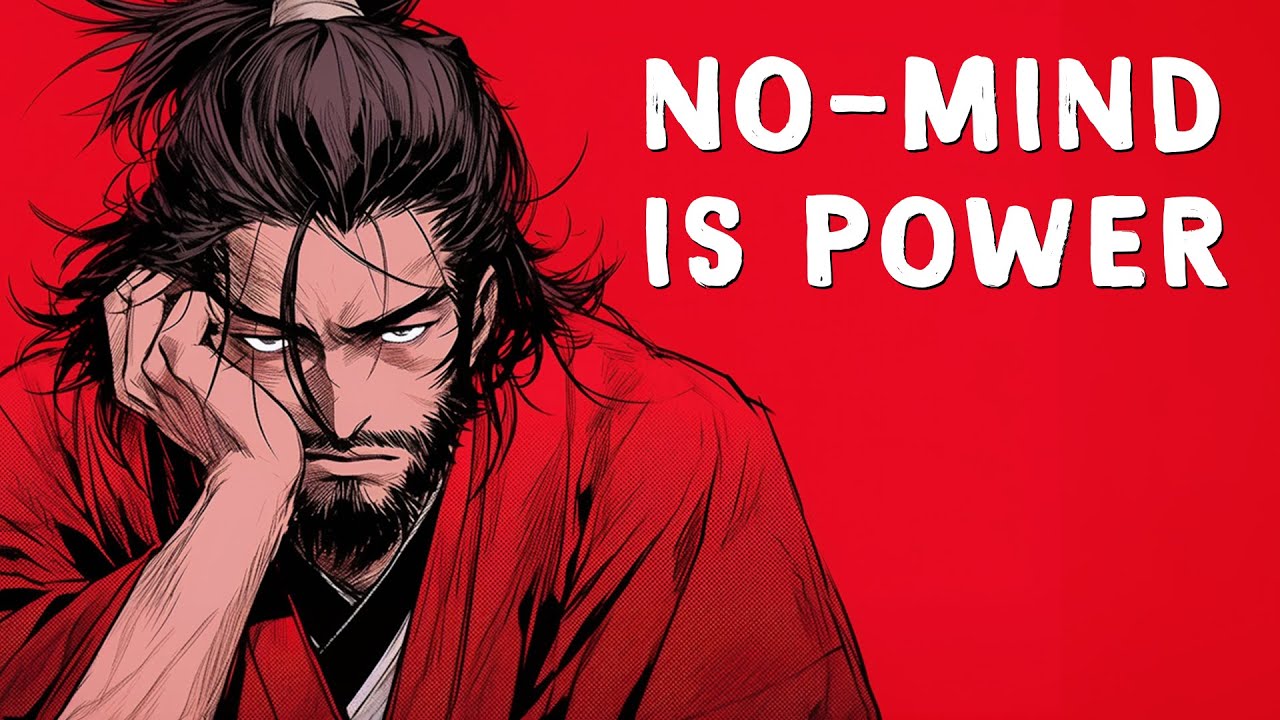
This video explores the concept of "Mushin" or "no-mind," a philosophical idea rooted in Zen Buddhism and exemplified by the legendary samurai Miyamoto Musashi. It discusses how Musashi utilized Mushin in combat, art, and daily life to achieve heightened awareness, instinctive action, and emotional equilibrium. The video also provides practical methods for incorporating Mushin into modern life, such as mindful meditation and single-tasking, while also addressing potential pitfalls like emotional detachment and apathy.
- Miyamoto Musashi's mastery of "Mushin" or "no mind" allowed him to achieve unparalleled focus and instinctive action in combat and life.
- Mushin, originating from Zen Buddhism, emphasizes freeing the mind from clutter, judgment, and fear to achieve a state of pure awareness.
- Musashi applied Mushin not only in martial arts but also in art and daily life, demonstrating its versatility and transformative power.
- Modern applications of Mushin include mindful meditation, single-tasking, and limiting information intake to cultivate mental clarity and focus.
- While Mushin offers numerous benefits, it's crucial to be aware of potential pitfalls such as emotional detachment and apathy, integrating it with discernment and wisdom.
Introduction to Mushin
The video introduces the concept of "Mushin," or "no mind," as a state where the mind is free from thought, judgment, and fear, allowing pure instinct to take over. Miyamoto Musashi, a legendary samurai, mastered this philosophy, using it as his secret weapon in combat and life. The video promises to explore the depths of Mushin and its applications beyond martial arts.
The Zen Origins of No Mind
Mushin originated in Zen Buddhism, where monks sought a state of consciousness free from ego, desires, and fears. This spiritual philosophy migrated to martial arts because true combat is about pure reaction unhampered by thought. Samurai recognized Mushin as the ultimate martial mindset, integrating it into their training and combat strategies.
Musashi's Application of No Mind in Combat
Musashi utilized Mushin as a potent weapon on the battlefield, enabling him to be incredibly present and sharpen his awareness. His famous duel with Sasaki Kojiro exemplifies this, where Musashi's intense focus allowed him to anticipate his opponent's moves. This demonstrated the dissolution of the barrier between thought and action, making him a vessel for pure response.
The Art of No Mind
Musashi's artistic talents also flourished through Mushin, with every brush movement carrying the weightlessness of the no-mind. He approached his canvas without preconceived notions, allowing art to emerge organically. His renowned piece, "Wild Geese Among Reeds," exemplifies this, showcasing simplicity and life through intuition.
No Mind in Daily Life
Mushin extended to Musashi's daily life, coloring every aspect of his existence with an unburdened presence. Whether sipping tea or practicing sword strokes, he immersed himself in the present, free from past regrets or future anxieties. This allowed him to find joy, lessons, and meaning in ordinary tasks.
The Antidote to Overthinking
Musashi's no-mind state served as an antidote to overthinking, a pervasive mental challenge today. By operating from instinctive reaction rather than prolonged deliberation, he avoided analysis paralysis. This approach encourages trusting instincts and acting with confidence, balancing critical thought with intuition.
Strategies for Emotional Equilibrium
Musashi's approach teaches us to observe emotions without entanglement, responding with calm clarity. This involves understanding, observation, and masterful control, allowing emotions to flow seamlessly without suppressing them or erupting uncontrollably.
Infusing No Mind into Modern Life
Practical methods for incorporating Mushin into modern life include mindful meditation, single-tasking, nature retreats, and limiting information intake. These practices enhance efficiency, nurture the no-mind state, and bring forth improved productivity and sharper focus.
Addressing the Critics
Potential pitfalls of Mushin include the risk of emotional detachment, confusing equanimity with suppression, and the fine line between clarity and apathy. It's crucial to avoid misinterpreting Mushin as justification for lack of preparation or irresponsibility, understanding that it's a tool to be adapted to personal contexts.
Conclusion
The no-mind state offers serenity and clarity, providing a poised equilibrium amidst life's chaos. Musashi's legacy serves as a guide into this mental realm, offering modern souls a sanctuary from noise and haste. The video extends an invitation to explore the vast expanse of one's mind and discover the transformative power of Mushin.

