
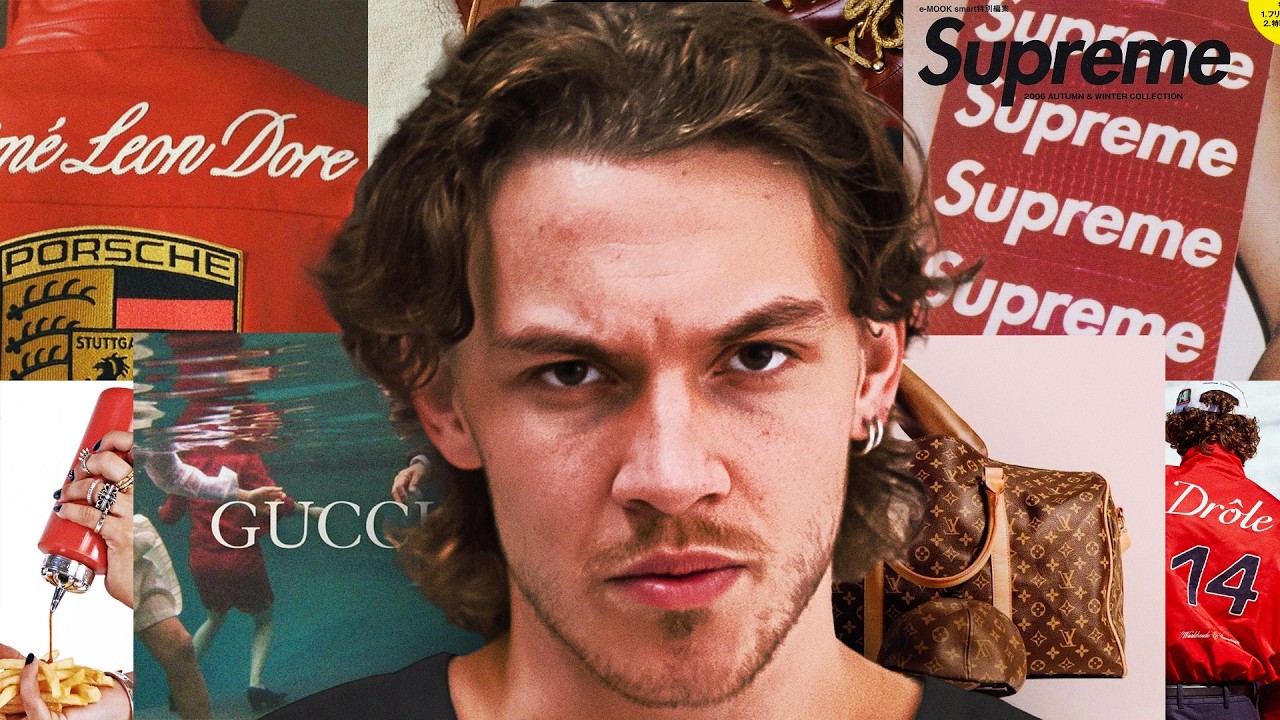
Brief Summary
This video explains how clothing brands create a premium feel and command higher prices. It covers key principles such as exclusive world-building, understanding and appealing to a target customer's desired identity, and effective storytelling through visual, auditory, nostalgic, and founder-driven narratives. The goal is to position your brand as unique and create a strong connection with your audience, making them value the meaning behind the clothes more than the price.
- Exclusive world-building creates desire and FOMO.
- Understanding customer identity makes them feel seen and understood.
- Storytelling connects the brand's world to the customer's identity.
- Mastering these principles allows brands to command higher prices and create a loyal following.
Why do some clothing brands feel so premium?
The video starts by addressing the question of why certain clothing brands evoke a sense of premium quality and high value. These brands have mastered the art of positioning themselves to justify higher prices compared to competitors offering similar products. They invest significantly in understanding consumer psychology and employ timeless principles to create a perception of exclusivity and desirability. The speaker shares his experience in building his brand, Tame Psychotic, using these principles, achieving consistent success with high-value product drops. The video aims to dissect these strategies, providing insights into how brands can command premium prices and establish a unique market position.
World Building
The first principle discussed is exclusive world-building, which goes beyond mere scarcity tactics. It involves creating a compelling world around the brand that customers want to be a part of, fostering a sense of community and belonging. The speaker illustrates this with examples like Ralph Lauren, associated with suits and water polo, and Alo Yoga, linked to a wellness lifestyle. He references Hiroshi Fujiwara's streetwear brand "Goodenough" in 1990s Tokyo, which gained popularity by associating with underground clubs, skaters, and artists, creating a visual language that resonated with the youth. This created a sense of exclusivity and made the brand a status symbol. In today's social media landscape, brands like Dra De Mansour replicate this by creating a consistent aesthetic across all content, reinforcing a specific world and attracting a dedicated audience.
Understand who you're selling to
The second principle is understanding and appealing to the customer's desired identity. Premium brands represent who their customers aspire to be, not just what they want to own. Lululemon, for example, sells a wellness identity, while Patagonia promotes environmental consciousness. The speaker shares examples of students who successfully shaped their brand identities to resonate with specific communities, such as a vintage golfwear brand targeting those who appreciate the old-school look and a cargo pants brand supporting the Navajo province. He references Nobel Prize-winning economist George Akerlof's identity economics, which explains that people make purchasing decisions to reinforce their desired identity. To find this identity for your brand, start with your own interests and have conversations with your customers to understand their reasons for buying from you.
How to tell stories with your clothing brand
The third principle is storytelling, which connects the brand's world to the customer's identity. Premium brands use four types of storytelling: visual, auditory, nostalgia, and founder. Visual storytelling involves the colors and aesthetics used, such as Supreme's minimalism or Chrome Hearts' maximalism. Auditory storytelling includes the music, tone of voice, and overall sound of the brand's content, as exemplified by Represent's moody atmosphere and Cortez's high-energy UK rap culture. Nostalgia storytelling uses references to past events or cultural elements that resonate with the target audience, creating a sense of connection and recognition. Founder storytelling weaves the founder's personal story into the brand's narrative, as seen with Jerry Lorenzo of Fear of God and Clint of Cortez, adding authenticity and relatability.
You've got a lot more to study
In conclusion, mastering these principles allows brands to create a strong connection with their customers, making them value the meaning behind the clothes more than the price. The speaker encourages viewers to revisit the video as they build their brands, unlocking new insights and implementing the strategies discussed. He also suggests watching another video on brand marketing for more technical strategies and encourages viewers to like the video if they found it valuable.

