
Brief Summary
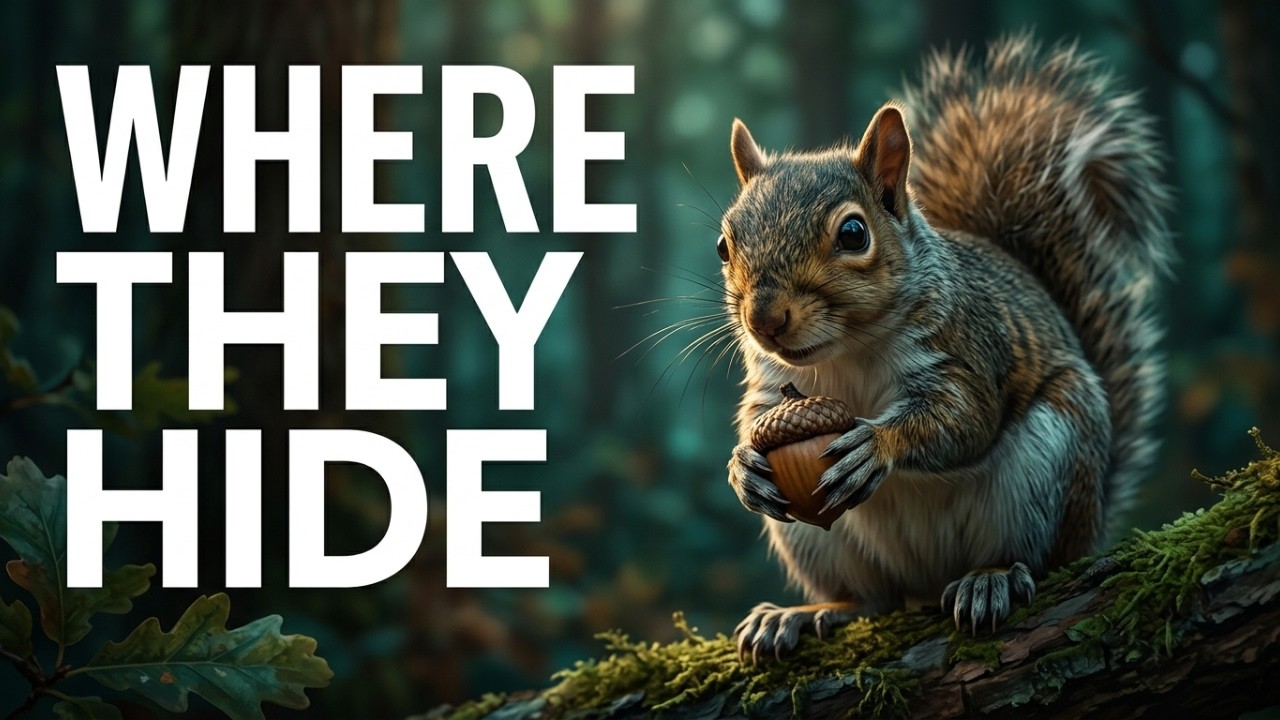
This video from Sleepy Science provides a gentle and informative exploration of squirrels, delving into their history, diverse species, social behaviors, and contributions to their ecosystems. It highlights their unique characteristics, adaptations, and the quiet intelligence that allows them to thrive in various environments. Key points include their communication methods, food storing habits, and ecological role in forest regeneration.
- Squirrels have existed for 36 million years, with over 280 species globally.
- They possess remarkable memory and skills related to food caching and retrieval.
- Squirrels play a crucial role in forest ecosystems by accidentally planting trees through forgotten food caches.
Introduction to Squirrels
The video begins by inviting viewers to think about squirrels as it sets a calm, reflective atmosphere. It mentions that squirrels have been part of the earth for roughly 36 million years, long enough to see significant changes in the environment. It introduces the existence of over 280 distinct squirrel species, highlighting their widespread presence across the globe.
Diversity and Unique Traits of Squirrels
Squirrels vary greatly in size and characteristics, from the tiny African pygmy squirrel to the large Indian giant squirrel. The Indian giant squirrel's vibrant fur and impressive tree-leaping abilities are emphasized, showcasing the diversity of the squirrel family. The term "squirrel" originates from Greek, meaning "shadow tail," which reflects the functional importance of their tails in thermoregulation and communication.
Communication Techniques
Squirrels utilize various forms of communication including tail signals and a complex range of vocalizations to convey information about threats from both aerial and terrestrial predators. The gray squirrel's adaptation to urban environments and how it navigates different food sources in cities demonstrate their intelligence and adaptability.
Food Caching Habits
Gray squirrels are noted for their "scatter hoarding" behavior, where they bury thousands of food caches. They rely on spatial memory and smell to retrieve these caches, which sometimes leads to the inadvertent planting of trees when squirrels forget where they buried acorns. The relationship between squirrels and oaks is particularly significant in understanding how they impact forest ecosystems.
Social Behavior and Structures
Red squirrels exhibit social behaviors by sharing food caches with relatives during winter and are often seen huddling together for warmth in their nests. The construction of their dre—nests made from leaves and twigs—is highlighted as both intricate and functional.
Activity Patterns and Hibernation
Squirrels are diurnal, active during the day and resting at night. They do not hibernate like some believe; instead, they slow down in winter yet remain active, searching for buried food. Ground squirrels, on the other hand, exhibit true hibernation, entering a state where their body temperature drops significantly while still managing to survive.
Unique Adaptations
Flying squirrels glide through the air using a membrane, while their coloration can serve specific purposes in camouflage or social signaling. Their incisors continually grow, necessitating a diet that helps wear them down.
Squirrel Cognition and Behavior
The video discusses squirrels' remarkable cognitive abilities, such as object permanence and decision-making in food caching. They can also exhibit playful behavior, which aids in learning essential skills for survival.
Human Interaction and Cultural Significance
Human history with squirrels includes hunting for food, artistic representation, and even pet keeping. The video elucidates how certain squirrel behaviors, such as caching, have found their way into cultural traditions and stories.
Impact on Ecosystems
Squirrels play a vital role in their ecosystems by spreading seeds and maintaining fungal networks vital for tree growth. Their nurturing behaviors contribute to both forest diversity and health.
Current Challenges and Conservation
The red squirrel is highlighted as a species facing challenges due to habitat loss and disease transmission from gray squirrels. Conservation efforts are underway to protect them and promote coexistence.
Conclusion and Reflection
The conclusion reflects on the quiet yet complex lives of squirrels, encouraging viewers to appreciate their presence as integral parts of the ecosystem. The narrative emphasizes the connection between humans and nature through the lens of simple yet engaging squirrel behaviors. The video subtly reminds us of the beauty and resilience of nature, encouraging a sense of calm and presence.

