
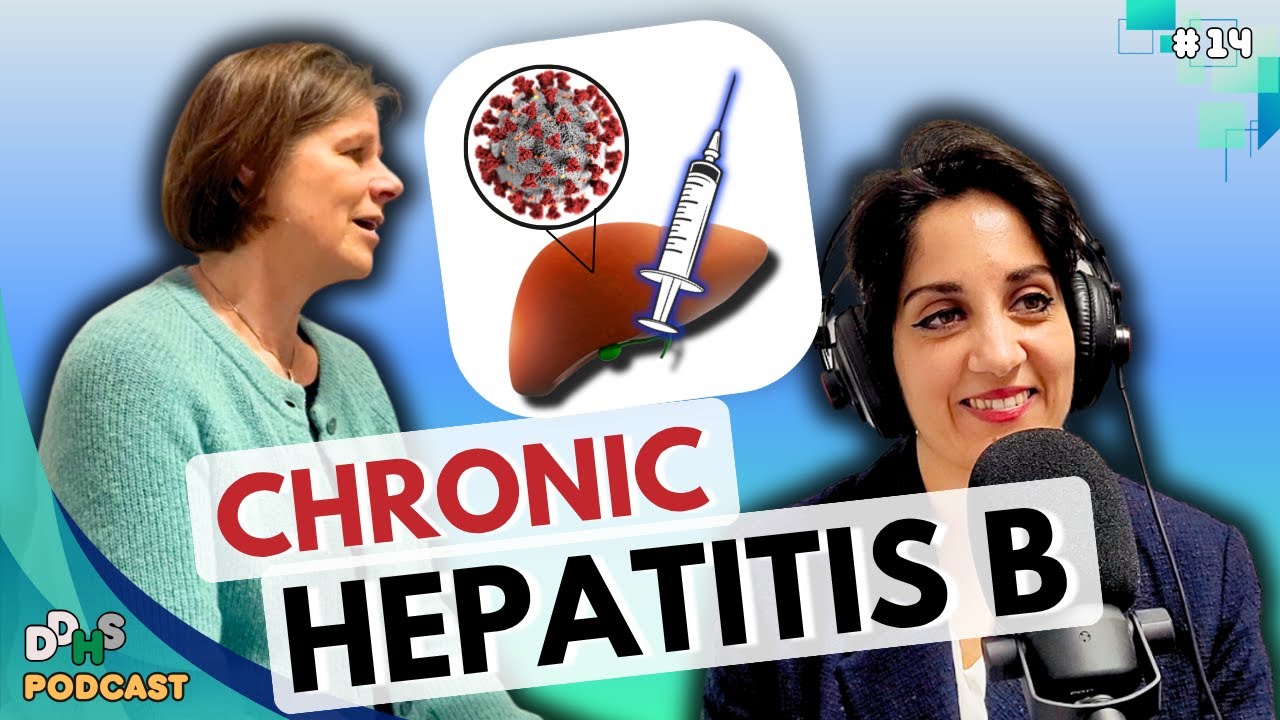
Brief Summary
This episode of Daily Dose of Honest Science features Professor Dr. Ulrike Protzer, a leading virologist, discussing Hepatitis B, its global impact, and the innovative research aimed at combating this deadly virus. The conversation covers the challenges in virology, the importance of collaboration, and the development of a therapeutic vaccine for chronic Hepatitis B.
- Hepatitis B affects over 254 million people worldwide, causing 1.1 million deaths annually.
- Current treatments are limited, highlighting the need for innovative therapies like therapeutic vaccines.
- Collaboration and mentorship are crucial in advancing scientific research and translating lab breakthroughs into clinical applications.
Introduction
Hepatitis B is a global health crisis affecting over 254 million people, leading to 1.1 million deaths annually from cirrhosis and liver cancer. Despite the availability of a safe vaccine, new infections continue to occur, with 1.2 million new cases in 2022 alone. The episode aims to explore the science, challenges, and breakthroughs in Hepatitis B research, featuring Professor Dr. Protzer, a virologist at the forefront of developing therapeutic vaccines and immune-based therapies. The discussion emphasizes the urgency of global action and the potential of scientific advancements to combat this epidemic.
Guest Introduction: Professor Dr. Ulrike Protzer
Professor Dr. Ulrike Protzer, a globally respected virologist, is introduced as the guest. Her work focuses on viral hepatitis and COVID-19, with contributions to understanding virus-host interactions and developing immune therapies and vaccines. As the Director of the Institute of Virology at Helmholtz Munich and the Technical University of Munich, she leads research and collaborations, including the EU Consortium tavak B, which is advancing a therapeutic vaccine for Hepatitis B. Her academic journey includes a medical degree from the University of Erlangen and postdoctoral work on Hepatitis B virus biology at the University of Heidelberg.
Journey into Medicine and Science
Professor Protzer discusses her path into medicine and science, initially torn between biochemistry and medicine. She chose medicine but maintained her interest in science. Her specialization in internal medicine and viral infections was driven by seeing patients suffer from viral hepatitis and the limited effectiveness of available therapies. This motivated her to pursue basic science, studying molecular biology of hepatitis B with Dr. Hey Cheller, to better understand the virus-host interaction and develop novel treatments.
Unanswered Questions in Virology
Professor Protzer highlights the lack of broadly acting antivirals, noting that antivirals must be developed specifically for each virus. She mentions the high prevalence of Epstein-Barr virus infection, affecting 40% of the population, which can lead to mononucleosis and increase the risk of multiple sclerosis, yet lacks available drugs or vaccines. For viral hepatitis, there is a drug for Hepatitis C but no vaccine, while Hepatitis B has a prophylactic vaccine but no curative therapy. HIV also lacks a cure and vaccine, emphasizing the need for prevention and curative treatments.
Balancing Career and Private Life
Professor Protzer explains how she balances her demanding career with her private life by being organized and focusing on tasks one at a time. She emphasizes the importance of sharing responsibilities with her husband, who is also a scientist and understands the demands of her work. They share family responsibilities and work together, with her husband being an immunologist, complementing her expertise in virology.
The Role of Immunology and T-Cell Therapy
Immunology is at the forefront with new therapies that boost the immune system, such as T-cell therapy, where T-cells are reprogrammed to fight cancer. Professor Protzer notes that immune therapies have become leading treatments for cancers, and this approach is being explored for viral infections. Chronic infections like Hepatitis B, affecting over 250 million people annually, require immune system-based treatments due to the lack of curative antivirals. Learning from cancer therapies, such as checkpoint inhibition and T-cell therapies, can help develop treatments for chronic viral infections and prevent virus-induced cancers.
The Importance of Collaboration in Research
Collaboration is key in research because no one can know everything or be specialized in every area. It allows for combining different expertise to push scientific understanding and develop novel therapies. Open communication is essential for successful collaborations, including discussing expectations and willingness to contribute. If a collaboration is not working, it is important to stop it and find alternative partners who can deliver the expected results.
Qualities of a Good Mentor
A good mentor encourages individuals to build on their strengths, expand their knowledge, and provides guidance. Mentors should challenge individuals and encourage them to publish their work to advance science and help society. Publishing smaller, less impactful publications is not as helpful as publishing a bigger picture that people will recognize and read.
Multiomics and Hypothesis-Driven Research
Multiomics is valuable for collecting data, but it should always be driven by a clear hypothesis. Researchers should select the appropriate technology to address the question and confirm omics data with specific experimentation to avoid misinterpreting noise or background signals. Professor Protzer's lab applies various omics technologies, including single-cell RNA sequencing, proteomics, and spatial transcriptomics, depending on the research question.
Challenges in Translating Lab Breakthroughs
Translating lab breakthroughs into clinical applications faces many challenges, including the "valley of death" where many projects fail. Key challenges include defining the clinical goal, designing clinical studies, securing finances, and ensuring efficient, high-quality production. Clinical experience is valuable for communicating with clinicians and designing clinical trials. Translational work requires a dedicated team and may delay publications. Mouse models are useful tools if designed correctly and controlled to provide unbiased results.
Understanding Viruses: Structure and Classification
A virus is a gene transfer vehicle with genetic information (RNA or DNA) that needs to replicate within a cell. Viruses consist of a genome, a capsid (protein covering), and sometimes an envelope (membrane). They are classified based on whether they are enveloped or non-enveloped and whether they contain RNA or DNA. This classification is important for diagnostic purposes, as it determines whether to look for RNA or DNA using PCR, the gold standard for virus detection.
Viral Evolution and Variants
Viruses evolve rapidly due to mistakes made by their polymerases during replication. This leads to new variants, which are detected using PCR with primers designed to recognize different parts of the viral genome. Variants with an advantage in replication or infection become dominant. Evolutionary advantages include higher replication levels, more efficient cell entry, and greater stability in the environment. Viruses often induce symptoms like sneezing or diarrhea to spread to new hosts.
COVID-19 and Long-Term Consequences
Professor Protzer notes that viruses are unlikely to evolve into "killer viruses" because severe disease prevents spread. Instead, evolution favors increased infectiousness with less pathogenicity. Long COVID may result from persistent viral proteins or the immune response causing damage. Vaccines have been crucial in preventing severe illness and death from COVID-19.
Vaccine Skepticism and the Importance of Vaccination
Vaccines have saved more lives than any other medical treatment. While some people are skeptical due to concerns about side effects, it's important to be open and acknowledge potential risks. However, the benefits of vaccines far outweigh the risks, preventing severe illness and death. The long-term consequences of infection are much more severe than the rare side effects of vaccines.
Hepatitis B: A Neglected Disease
Hepatitis B is a neglected disease that can lead to liver cirrhosis and liver cancer. Professor Protzer dedicated her research to this virus after seeing patients die from it. The virus is well-adapted to infect individuals at birth and live with them for decades, causing disease and death. Diagnosis is often delayed, and many infected individuals are unaware of their condition.
Symptoms and Effects of Hepatitis B
Hepatitis B primarily affects the liver, causing fatigue and, in advanced stages, yellow eyes and skin due to impaired heme degradation. Liver dysfunction leads to decreased protein synthesis, impaired detoxification, and increased risk of bleeding and cancer. Liver transplantation is challenging due to the high risk of reinfection.
Diagnosis and the Need for New Therapies
Diagnosis involves a simple serology test for HBsAg (hepatitis B surface antigen). Antiviral therapies exist, but they do not cure the disease, necessitating the development of new therapies. Professor Protzer's research focuses on therapeutic vaccines that stimulate the immune system to target and eliminate virus-infected cells, preventing cancer development.
Therapeutic Vaccine Development
Professor Protzer's team developed a mouse model with persistent Hepatitis B infection to test vaccine efficacy. They found that combining a virus-like particle vaccine with a vector-based vaccine (heterologous prime-boost) provides the best immunity. This publicly funded vaccine is currently in a Phase 1 clinical trial to assess safety and immunogenicity in healthy volunteers. A second trial to test the vaccine in chronically infected patients has also been approved.
Clinical Trial Progress and Future Prospects
The regulatory authorities in Germany have been supportive, allowing the team to move quickly from healthy volunteers to patient trials. The next steps involve larger patient cohorts, which will require significant funding. Partnering with a pharmaceutical company or pursuing a public-private partnership may be necessary. The initial clinical trials are expected to take 3-4 years, with subsequent stages taking 2-3 years.
Alternative Models and Mouse Model Design
Vaccine development still requires animal models because immunity cannot be induced in organoids. The mouse model is designed to mimic the human situation by tolerating virus replication without clearing the virus. This allows researchers to test whether the immune system will clear the virus upon vaccination. The model is designed to give a clear yes or no answer, even if the results are negative.
Future Research and Consortium Goals
The primary goal is to achieve a cure rate of at least 30% with the therapeutic vaccine. Future steps include initiating larger studies and determining financing sources. The team is also interested in studying the function of T-cells induced by the vaccine, using omics technologies and bioinformatics.
Addressing Myths and Misunderstandings
A common myth is that viruses do not cause severe disease. COVID-19 has shown the potential of vaccines and the challenges of vaccine development. It is important to have open discussions with people who are willing to listen and provide accurate information to combat misinformation. Improving general education about numbers and facts is crucial.

