Brief Summary
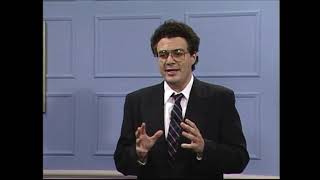
Justin, a solopreneur, built his online business to $1.7 million in revenue last year, working only 5 hours a day. He sells online courses, sponsorships in his newsletter, and a monthly subscription email. He attributes his success to consistent content creation on social media, focusing on building trust and expertise. He emphasizes the importance of tools and systems for efficiency and recommends starting small and experimenting to find what works best.
- Justin's business model revolves around selling online courses, newsletter sponsorships, and a monthly subscription email.
- He emphasizes the importance of consistent content creation on social media to build trust and expertise.
- He recommends starting small and experimenting to find what works best for your business.
Justin, a solopreneur, shares his journey of building a multi-million dollar online business with zero employees. He explains how he makes money through online courses, newsletter sponsorships, and a monthly subscription email. He emphasizes the importance of consistent content creation on social media to build trust and expertise.
Justin explains his revenue streams: online courses on LinkedIn and content creation, a newsletter with 100,000 subscribers that he sells sponsorships for, and a monthly subscription email offering copywriting techniques. He describes himself as a "knowledge entrepreneur" and emphasizes the importance of sharing knowledge and expertise.
Justin reveals that his business generated $1.7 million in revenue last year and anticipates reaching $2.5 million this year. He acknowledges the difficulty of comprehending how one person can achieve such success without a team. He attributes his success to consistent content creation, building a large audience, and leveraging tools and systems to streamline his business.
Justin emphasizes the importance of choosing a topic you're passionate about, educating yourself thoroughly, and consistently creating content on multiple platforms. He believes that building an audience is a numbers game, and with a large enough following, even a small percentage of conversions can lead to significant revenue. He also highlights the importance of tools and systems for efficiency, such as scheduling tools, project management software, and note-taking apps.
Justin shares his experience working in technology and eventually becoming a VP of Sales at a tech firm. He describes the high-stress environment and the burnout that led to a panic attack. This experience ultimately motivated him to pursue building his own business online.
Justin explains that his business expenses are primarily software-related, totaling around $620 per month. He uses Kajabi as his all-in-one marketing and website solution, along with other tools like testimonial.io, Taplio, and Hypefury. He avoids paid advertising and rarely works with freelancers or contractors, focusing on building his business through content creation.
Justin outlines his content marketing strategy, which focuses on consistent content creation on LinkedIn and Twitter. He describes his approach as a "discovery and trust" funnel, aiming to reach new audiences on social media and build trust through longer-form content like his newsletter and website articles. He believes in presenting offers in a non-aggressive way, focusing on providing value and building relationships with his audience.
Justin shares his methods for generating content ideas, including subscribing to aggregator newsletters, analyzing popular YouTube videos, and seeking inspiration from podcasts and everyday experiences. He emphasizes the importance of putting his own spin on popular topics and addressing challenges faced by his ideal customer. He also stresses the importance of capturing ideas as they arise to avoid forgetting them.
Justin describes his regimented daily routine, which includes waking up early, posting content on social media, engaging with his audience, going to the gym, and dedicating a few hours to creative work. He outlines his weekly schedule, focusing on writing his newsletter on Mondays, creating content on Tuesdays, Wednesdays, and Thursdays, and working on strategic projects on Fridays.
Justin attributes his rapid business growth to his hypothesis-driven approach, which involves testing ideas, analyzing results, and scaling what works. He encourages aspiring solopreneurs to experiment with different strategies and embrace the learning process.
Justin advises aspiring solopreneurs to identify their passions and areas of expertise, start talking about them online, and prioritize taking action over consuming information. He emphasizes that everyone's journey is unique and that starting is the most important step in building a successful online business.
Summarize any YouTube video in seconds
Get summaries like this one for any video, in your language, with the free Summ app.
Transcript
Full transcript of “The Solopreneur: He Makes $1.7M With 0 Employees”. Click a timestamp to open the video at that moment. Need another video? Use the YouTube transcript generator.
0:00 this is Justin he built his online business to $1.7 million a year working only 5 hours a day and the crazy part is he runs it all by himself I don't have any employees what's even more insane is the story of why he decided to quit his job to do this screaming crying hallucinating didn't know what was happening in this episode we met up in downtown New York City and he showed me exactly how he makes millions of dollars with zero employees last year my business did about 1.7 million uh and this year I anticipate that it'll do around 2 and a half he also told me the secrets to getting hundreds of thousands of followers on Twitter and Linkedin it's not as complex I think as a lot of folks might assume that it is and how he runs his entire business on less than
0:45 $700 the total cost of my business is about 620 bucks a month this interview is a master class on how to build a multi-million dollar oneperson business from scratch I'm Pat walls and this is starter story Justin can you explain to the audience exactly what you do and how you make money so the the easiest way to describe it is I have sort of a portfolio of products that I sell uh my main portfolio is what you would just call online courses or information products I sell two of those one on how to use LinkedIn effectively to build a business and the other one on how to build your own content system a secondary way that I make money is I have a newsletter that's approaching 100,000 subscribers so I sell sponsorships to companies who want to get in front of you know their
1:30 ideal customer if that person or or group of people happen to be my readership and then a third way that I make money is I have uh a subscription email that I send out where every month they'll get an email from me that shows them uh copywriting techniques for for writing better copy on social media so all in all everything that I do is based on knowledge and uh I most commonly refer to myself as a knowledge entrepreneur when people uh you know don't know exactly what I do based on all these products how much money do you make total uh last year my business about 1.7 million uh in this year I anticipate that it'll do around 2 and a half so I think it's it's hard for some people to comprehend that one person you're just one person no team can make $1.7 million a year how is that even possible I think the most important
2:15 thing to think about if you can commit to getting on social media choosing a topic you're passionate about really educating yourself about it and then going out and writing consistently about it every single day on multiple platforms sometimes two to three times per day then you can build up this audience and then it really becomes a numbers game right if you have a million followers and 1% or 2% of your 1 million followers buy a product that you offer at a few hundred well suddenly you see that this becomes relatively possible when you add to the mix tools systems and processes it becomes significantly easier so you can't just wake up every day as a oneperson business and say well what do I do on Monday what do I do on Tuesday what do I do on Wednesday when I wake up every morning during the week I know exactly what I'm doing and then
3:01 it's a lot of tools right like publishing tools which allow you to schedule your your social media publishing tools like notion which allows you to stay organized have all your ideas in one place tools like Trello which allows you to you know move projects forward and these are things that I leverage you know on a regular basis for my business I know you have a pretty unique background can you tell me about what you're doing before this and the journey that led you to where you're at today yeah prior to going online and and bu building a business uh I was in technology and ended up at a really small Tech firm in New York called Zach do and um I was successful out of the gate and spent 5 years at that company eventually reporting to the CEO and I parlayed that into my very first executive role at 33 I was the VP of sales I was hired on but I was the VP of
3:48 sales of one person in a company that had no revenue and I thought I would do maybe one or three million in ARR and they would go get like an inexperienced person to come kind of take over that that role hired some good people a lot of things just went my way and the company grew to about 50 million in recurring in 4 and 1/2 years the problem is that when you work at a company like Zach do which was really really well known for like very Cutthroat very very deep and intense work ethic and then transition into becoming an executive you go 10 consecutive years of high anxiety high stress board meetings targets and after 10 years um I burned out really badly and that all culminated in this massive panic attack that I had on December would have been December 16th of 2018 um where I just thought I
4:34 was dying for people who have had panic attacks your fingers go numb is the first thing then you get very confused and like I was on all fours screaming crying hallucinating didn't know what was happening uh so my wife called 911 and uh EMTs came out and told me that I was not dying and uh things subsided over the next few hours and that was the end of my career in Tech basically that was how I ended up trying to build my own thing on social [Music] media I know you run a onep person business so you can't spend too much money what do you spend money on and what don't you spend money on yeah um I spend mostly on software so um I try and keep my software stack as lean as
5:20 possible I use a a piece of software called kajabi which is sort of like an all-in-one marketing solution and website solution for you know solopreneurs creators coaches things like that so that is the primary meat of my cost 399 bucks a month the total cost of my business is about 620 bucks a month uh so I have things like testimonial. I've got tap Leo I have hype Furious publishing tools uh almost everything that I invest into my business is tools I do not spend any money on paid ads so I've never run a paid ad before I don't have any employees um I very very rarely work with Freelancers and contractors but I really spend most of my money on on software and things that make creating content easier for me cuz my business is really content driven all right let's
6:06 get tactical I want to talk about marketing you've reached Millions potentially billions of Impressions on social media and you've sold millions of courses what's your marketing strategy it's not as complex I think as a lot of folks might assume that it is really it's content driven most of my strategy is to show up on two platforms every single day two to three times a day and those platforms right now are LinkedIn and Twitter and the way that I do that is sort of a few different things the first one is what I call Discovery and that is just getting discovered by new people at the top of funnel so on Twitter on LinkedIn people who have never discovered me who have no idea who I am who have never seen my name in face before I want them to find me on those social media platforms the second thing
6:52 that I want to do once people have discovered me and this is sort of the second part of my I guess you could call it funnel but I don't really like to think of it as a funnel is trust and Trust to me comes from really showing people how your brain works and the easiest way to show someone how your brain works is through longer form content so what that is for me is My Weekly Newsletter and the guides and articles that I produce on my website so every day what I'm trying to do is move people from Twitter and Linkedin onto my website once I do that it's pretty simple Discovery trust expertise and authority and then it's a presentation of an offer and my offers aren't aggressive it's not like hey you need to buy my course right now urgency it's just like if you enjoyed this piece of long form content if you believe I'm the person that can help you solve the problems that you have and your social
7:38 media content or your online business then here are some affordable options that I have right now that's my funnel social media for Discovery longer form newsletter for trust Authority and expertise and then asking people to buy something pretty simple all right so Justin you post a ton of content on social media how do you come with so many new ideas for great content yeah I have a bunch of different ways that I I think of ideas some really common ones for me is I subscribe to a lot of aggregator newsletters so every morning in my inbox I get you know some of the biggest stories I get some of my favorite creators bringing some of their things into my inbox uh I look at a lot of YouTube channels that are relevant to to what I do and I look at their most popular videos because if it's a popular video on YouTube then it's probably going to resonate with my audience I'm
8:24 always looking for things that I can put my spin on right you don't want to write the same thing somebody else in your industry wrote you want to take popular topics you want to take things that are challenging to my ideal customer and I want to put my spin on those things I take ideas from everywhere podcasts I listen to when I go on a walk things pop into my head so I use my phone to capture things I I'm always trying to be cognizant that ideation is around you at all times and if you let it slip by without noting it down I can never remember them so I just try and keep track of them as they're happening what's a typical day in the life look like for you my days are relatively regimented I wake up 5:30 6 sometimes 6:30 I have a standing date with social media every morning so my content comes out at the exact same time every single
9:10 morning 8:15 Eastern Time on both platforms LinkedIn and Twitter and I make it a point to engage with my audience almost every single morning for at least 45 minutes to an hour once I'm done with that my wife and I we got to go to the gym and so we drive about 20 minutes down to the nearest town called Stoneridge and we go to a gym there so we might spend 9:30 till you know 11:00 at the gym and driving and then we eat lunch you know around 11:30 12 and I don't really start doing creative work till normally around noon or 1:00 p.m. each day and I'll try and do like a really intense 3 or 4 hours and a typical uh you know day for that might be Monday I'll spend that time writing my newsletter Tuesday Wednesday and Thursday I'll spend that time creating
9:57 content and Friday I'll work towards more strategic projects so building a new product um you know standing up a new service working to meet interesting and unique people like you or like other folks who I uh you know admire on Twitter and Linkedin that's usually how I spend my Fridays but that's a pretty typical on average [Music] week it's really impressed me how fast you've built this business how do you level up and how have you been able to grow so quickly back in 2018 when I first started giving this a swing Russell Brunson was really popular so I bought a lot of his books and that kind of gave me the fundamentals of the foundation for understanding why people change why people buy things how to tell
10:43 stories the way that I have leveled up is I'm a hypothesis driven Creator same thing I was when I was a sales leader in my my previous career which meant making a hypothesis testing it seeing if it worked if it did doing it twice as much or three times as much or five as much and if it didn't completely eliminating it so what I always encourage people to do is try a bunch of stuff try things throw everything you can against the wall that's the easiest path to getting better at this very specific business what advice would you have for someone that wants to do something similar or wants to get started building a a brand online and and selling products the first thing I would I would do is is really think kind of deep and hard about what it is that you love doing that you're also very competent at so figure out what that thing is talk to your
11:29 friends talk to your family and go start talking about it online the number one piece of advice I have for people is start everyone wants to learn everything everyone wants to read every book or listen to every podcast or do whatever starting will teach you a hundred times more than reading my story or listening to what I have to say because your journey and everyone else's journey is going to be very different than mine all advice is contextual mine included start learn try yeah that's great thank you how good