
Brief Summary
This article discusses the top reasons why people fail their driving tests, according to Tim Danter from DriveWise school. It covers common mistakes such as poor parallel parking, dangerous actions, lack of confidence, collisions, and too many errors. The article also touches on issues like experienced drivers developing bad habits and the need for more stringent and frequent retesting.
- Parallel parking is a significant hurdle for many test-takers.
- Dangerous actions during the test result in immediate failure.
- Lack of confidence and hesitation can negatively impact the examiner's assessment.
- Collisions during the test lead to immediate failure, with potential legal consequences.
- Accumulating too many errors, including minor speeding, results in failure.
Parallel Parking
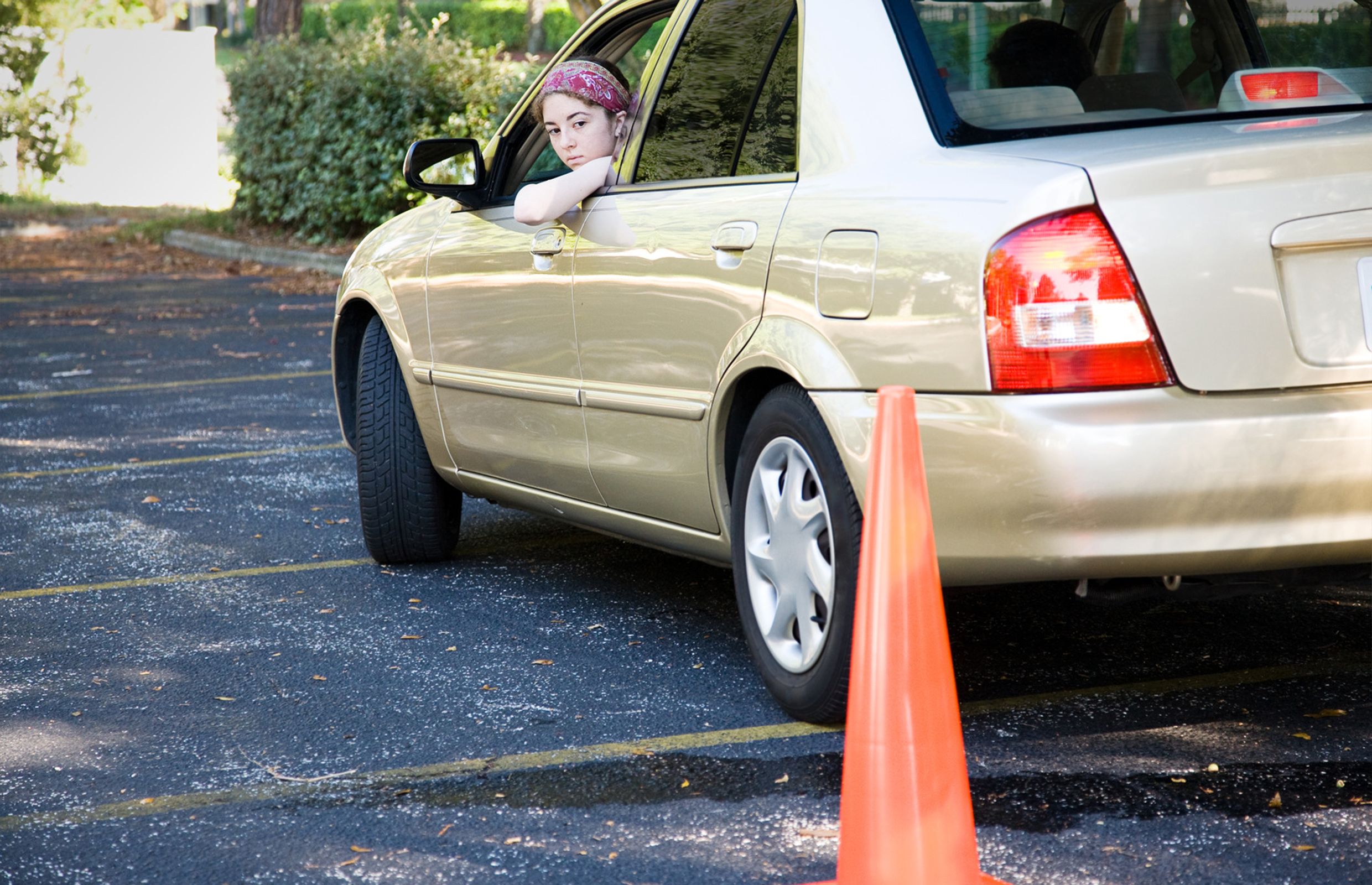
Parallel parking is a major reason for failing driving tests. According to Tim Danter, it involves proper positioning and control of the vehicle while backing up, and mistakes like jumping the curb can lead to failure.
Dangerous Action
Any dangerous action that requires the examiner to take control of the car, either physically or verbally, results in an immediate failure. Actions such as pulling out in front of another car or making a dangerous lane change will cause the test to be terminated. Getting honked at is also a bad sign.
Lack of Confidence
Many learner drivers mistakenly believe that driving under the speed limit or hesitating at intersections demonstrates caution. However, this shows a lack of mastery and impedes traffic flow, leading to point deductions and reflecting poorly on real-world driving skills.
Collision
If a collision occurs during the driving test, the test is immediately over, regardless of who caused the crash. If the applicant is at fault, they will face charges under the Highway Traffic Act, potentially incurring demerit points and fines.
Too Many Errors
Accumulating too many errors is a common reason for failing the driving test. Even minor speeding can lead to failure. A lane change, for example, is broken down into multiple movements, each offering a chance to make a mistake. Mastering the skills is essential, as simply knowing them isn't enough to pass.
Rural Testing Locations
Some people attempt to circumvent stricter city testing conditions by taking their tests in rural communities. While DriveTest facilities are technically the same everywhere, smaller communities often present different challenges and conditions.
Experienced Drivers' Bad Habits
Experienced drivers often exhibit a different set of problematic behaviors compared to beginners. The most common offenses include speeding, following too closely, and compromised observation skills. While experience is valuable, seasoned drivers sometimes lack caution.
Need for Stricter Licensing
The article suggests that instead of seeking easier testing locations, the licensing process should be more rigorous. Retesting should occur more frequently than the current 80-year-old cutoff, as corporate reassessments indicate a need for ongoing evaluation. Car fatalities are decreasing due to safer vehicle technology, not necessarily better driving skills.

