
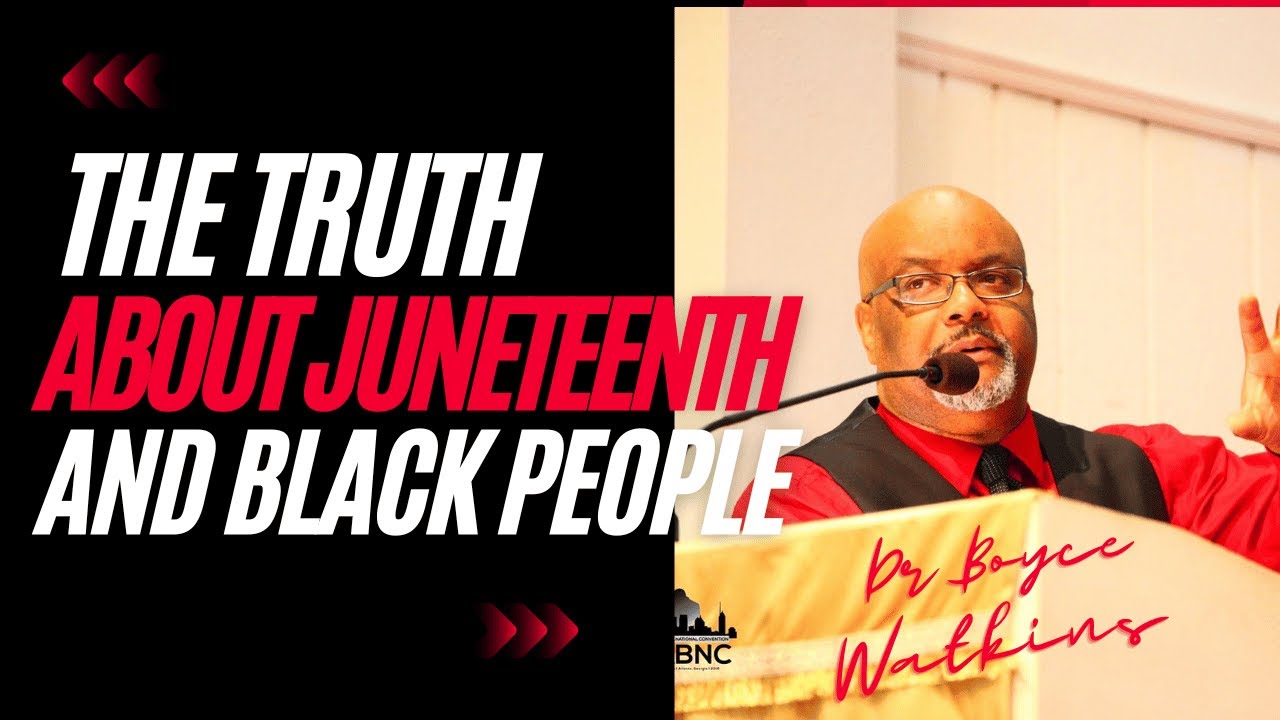
Brief Summary
In this video, Boyce Watkins discusses the complexities of culture, economics, and the systemic challenges faced by the Black community in America. He emphasizes the importance of understanding the historical context of wealth building and the impact of cultural beliefs on economic behavior.
- The Black community must confront cultural barriers to wealth accumulation.
- Access to information and resources alone is not sufficient to overcome economic challenges.
- The necessity of instilling financial literacy and wealth-building strategies in the next generation.
Cultural Insights and Historical Context
Boyce Watkins begins by addressing stereotypes he encounters and challenges the notion that white individuals should not be part of spaces that historically belonged to Black culture. He proudly references his daughter's diverse experiences in education and underscores the resilience of Black people through historical adversities such as slavery and Jim Crow. He critiques the degradation of cultural identity, particularly in the evolution of hip-hop, and raises questions about who controls cultural narratives.
Quantum Wealth Theory and Subconscious Programming
Watkins reflects on a conversation he had about the "Quantum Wealth Theory," connecting it to thoughts on subconscious programming and cultural habits. He asserts that the biggest barriers to wealth are not just access to information but deeply rooted cultural behaviors and mental programming developed from childhood. He speaks highly of American strengths while simultaneously acknowledging systemic flaws that hinder prosperity for marginalized communities.
Veterans and Personal Stories of Resilience
Watkins pays tribute to veterans, sharing personal family stories of military service and the sacrifices made. He speaks on the struggles of his grandfather during World War II and the challenges faced by his father in Vietnam, noting how these experiences shaped their resilience and determination to succeed at all costs. He discusses how their coping mechanisms, both healthy and unhealthy, influenced their approaches to life and economic challenges.
The Role of Culture in Wealth Building
Watkins emphasizes that culture is a fundamental aspect of wealth building, more crucial than academic degrees or resource access. He shares insights from a trip to China, admiring their assertive business tactics, which reflect a cultural attitude towards entrepreneurship not reliant on formal education. He critiques the traditional beliefs surrounding education and stresses that many entrepreneurs succeed without formal business training, underscoring the power of cultural mindsets in economic success.
Education and the Public School System
Watkins raises concerns about the public education system, arguing that it often fails to empower students and is designed to produce compliant workers rather than innovators. He references alarming statistics about schools in Chicago where no students can perform at grade level, highlighting the systemic issues entrenched in the education system. He cites that education should promote independent thinking and creativity, necessary for real economic empowerment.
Juneteenth and Post-Emancipation Reality
Discussing Juneteenth, Watkins challenges the misconception that this day marked true freedom for formerly enslaved people. Drawing on insights from Professor James Small, he explains that many remained under the same oppressive work conditions, now as paid employees, instead of liberated individuals. He draws parallels between this historical reality and contemporary issues with incarceration and labor exploitation in modern society.
Different Paths Within the Black Community
Watkins categorizes individuals in the Black community into three groups: those who accumulate debt for education yet remain trapped in corporate careers, those engaged in street life, and those determined to achieve freedom through entrepreneurship. He advocates for financial literacy and the need for broader options in life choices to escape systemic traps that lead to dependence and economic hardship.
Personal Experiences with Wealth and Happiness
Watkins reflects on his journey to financial success, recalling his struggles during his educational pursuits and commemorating his first significant paycheck. He discusses the transient nature of happiness tied solely to financial gain and emphasizes that true contentment involves deeper fulfillment and life satisfaction. He compares economic needs with physiological needs, suggesting that the struggle for survival can overshadow the pursuit of happiness.
Teaching Financial Literacy to the Next Generation
He asserts that parents should prioritize teaching their children about financial literacy and investing from a young age. He proposes practical strategies, such as starting a small investment plan that could grow into substantial wealth. Watkins passionately advocates for reshaping the mindset around money in the Black community, asserting that financial education is key to breaking free from cycles of poverty.
Systemic Issues and Solutions
Watkins highlights the systemic economic challenges faced by Black Americans, attributing these issues to predatory capitalism and historical disenfranchisement. He argues for a cultural shift towards community empowerment, self-sufficiency, and proactive wealth-building strategies. By preparing children to be financially literate and entrepreneurial, he believes they can escape cycles of economic dependence and create better futures for themselves and their communities.

