
Brief Summary
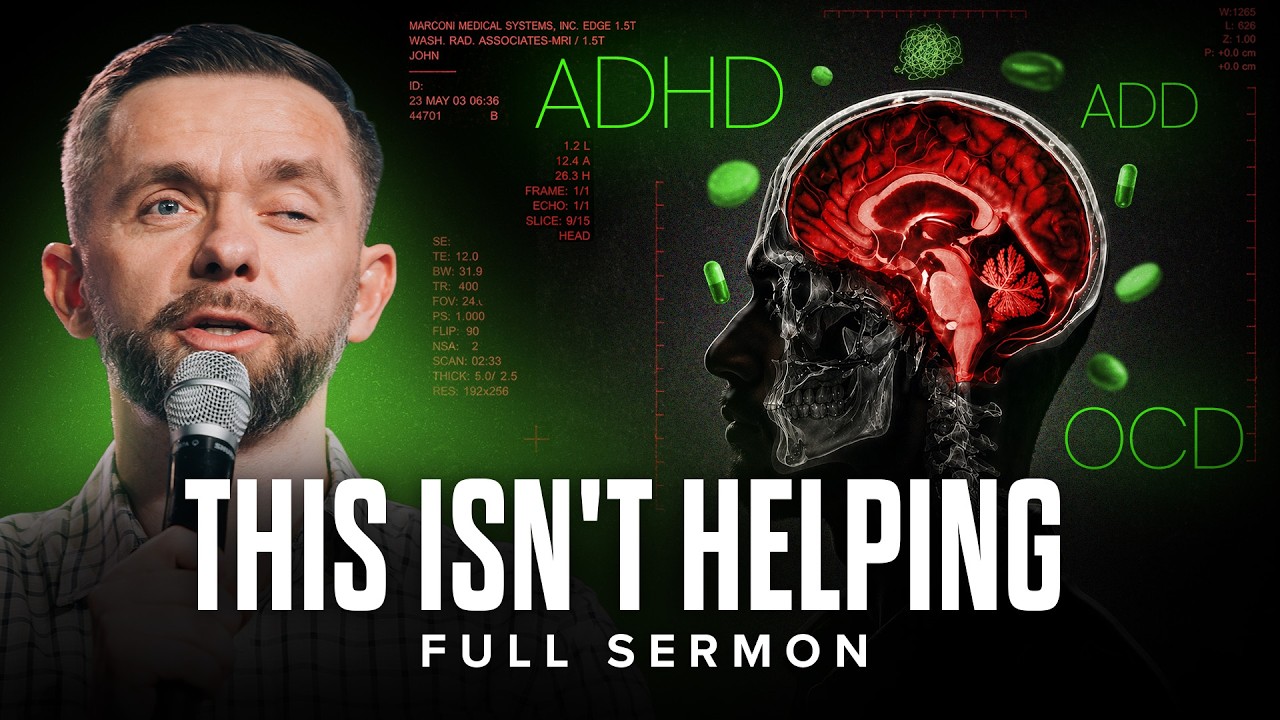
Vlad Savchuk discusses the complexities of mental health, emphasizing the distinction between the mind and the brain, and how spiritual factors, particularly sin, play a crucial role in mental health issues. He critiques secular therapy for not addressing spiritual dimensions and argues that many mental health problems derive from a misunderstanding of sin rather than solely physical or emotional factors. Key takeaways from the video include the importance of recognizing mental health struggles as varied in nature—spiritual, physiological, and psychological. Savchuk encourages a holistic approach to mental health that includes faith and spirituality.
- Mental health problems often stem from sin and spiritual battles rather than just physical or psychological issues.
- Secular therapies may address symptoms but fail to tackle the core spiritual problems that influence mental health.
Intro
Vlad introduces the topic of mental health, illustrating it with a personal story of a father who experienced severe mental struggles affecting his ability to work. He emphasizes the blend of secular help and spiritual deliverance, arguing against the notion that all mental health issues are due to demonic influences. Savchuk points out the rising trend of antidepressant use in young people, highlighting that while mental health problems are real, they often have deeper spiritual roots.
Labels vs Identity
In this chapter, Savchuk discusses how mental health diagnoses are often based on subjective self-reports rather than objective medical testing. He cautions against "diagnosis shopping," where individuals seek labels for their struggles, possibly leading to misleading treatments. The evolving nature of diagnostic manuals reflects societal changes and cultural shifts, implying that definitions of mental health can alter over time. He also warns that relying solely on these labels can obscure the true nature of spiritual issues individuals might face.
Mind vs Brain
Vlad clarifies the distinction between the mind and the brain, explaining that the brain is a physical organ while the mind encompasses thoughts, reasoning, and emotions. He emphasizes that mental health issues should be understood in the context of both the physical and the immaterial soul. The Bible is cited in support of the need for mental renewal, pinpointing that transformation occurs in the mind rather than the brain, underscoring the importance of spiritual health in understanding and treating mental health.
Sin, Not Sickness
Here, Savchuk stresses that secular therapy often overlooks the root issue of sin that underlies many mental health problems. He argues that framing mental health solely within the context of trauma leads individuals to attribute their struggles to external circumstances and familial relationships rather than a deeper, spiritual condition. This misattribution can result in misguided solutions, including cutting off familial connections in favor of reliance on therapists who may not address the spiritual dimensions of mental health.
Unbelieving Mind
In this chapter, Vlad highlights the importance of acknowledging how a lack of belief can cloud judgment regarding mental health. He notes that many individuals may seek secular solutions while ignoring the spiritual battles at play, which can lead to a cycle of despair. Secular mental health frameworks often fail to recognize how sin can corrupt thoughts and motives, leaving individuals feeling empty despite pursuing therapy and medication. This chapter underscores the need to integrate faith into the understanding of mental health.
Limits of Secular Therapy
Savchuk concludes by addressing the limitations of secular therapy, asserting that it often focuses on symptom relief without addressing the core spiritual issues. He states that while medication may alleviate symptoms, it cannot resolve the fundamental spiritual dilemmas faced by individuals. He emphasizes that real transformation requires a deeper engagement with one’s faith and a relationship with Christ. The chapter culminates in a call to understand mental health holistically, as both spiritual and physical, advocating for a balance between secular and spiritual approaches to treatment.

