
Brief Summary
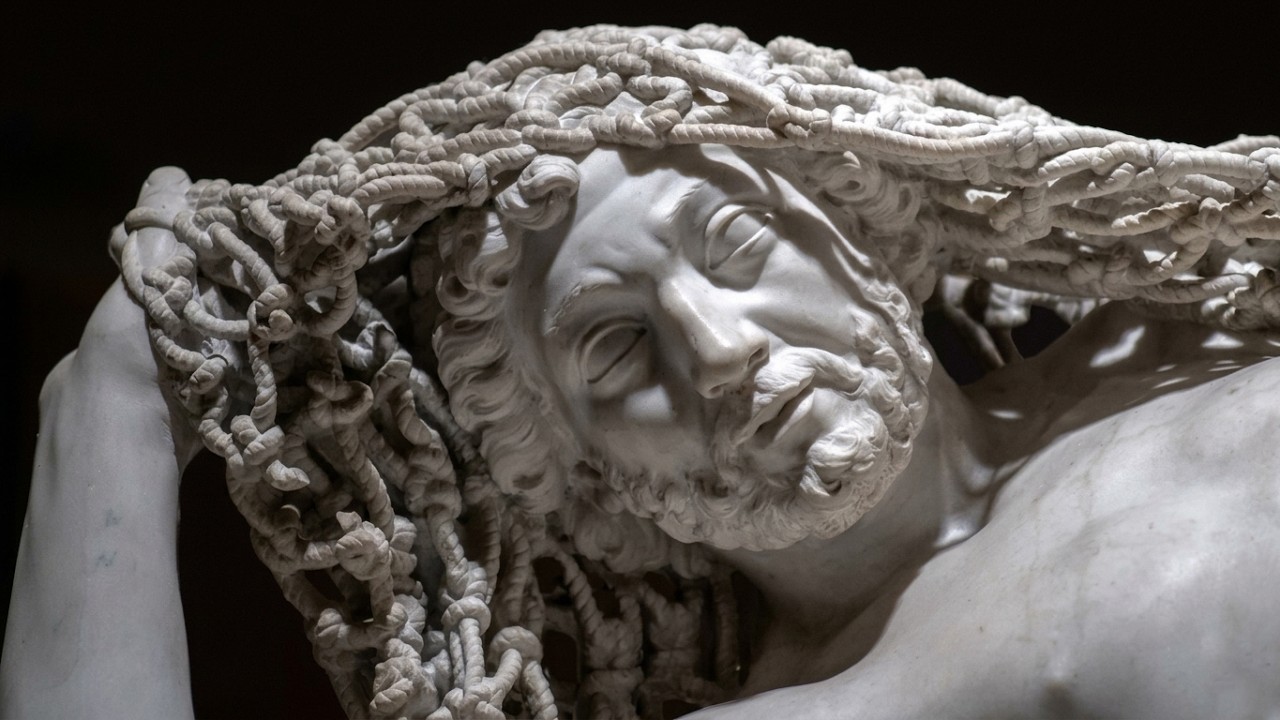
This video explores the remarkable marble sculpture created by Francesco Kolo, called Il Dingano, which depicts a man entangled in a fishing net with an angel helping him. The sculpture is notable for its intricate net made from a single block of marble, a feat that had never been attempted before. The piece not only showcases technical mastery but also carries deep symbolic meanings regarding redemption, faith, and knowledge.
- The sculpture Il Dingano was created by Francesco Kolo in 1752 and depicts a man in a fishing net.
- The work carries layered meanings related to the themes of forgiveness and spiritual initiation.
The Impossible Sculpture
Marble can be transformed into many forms, but it cannot be made into a net due to the fundamental physics of the material. A net consists mainly of empty space and thin threads, which makes carving one from a solid block extremely challenging. Francesco Kolo, a sculptor from Genoa, took on this challenge in 1752 and spent seven years creating the sculpture known as Il Dingano in a chapel in Naples. The sculpture depicts a man caught in a fishing net with a small winged figure assisting him. The intricate net is not a separate piece but carved from the same block as the figure.
The Artist's Struggle
Kolo faced significant challenges during the creation of the sculpture, especially when it came to polishing the delicate net. He worked alone and refused assistance from local stoneworkers who feared that any slight pressure could ruin the masterpiece. Kolo polished each thread by hand, maintaining extreme caution, as it was crucial to preserve his work after years of effort. Historian Gianuseeppe Orriglia described this work as the ultimate challenge a marble sculptor could face, with no successor ever proving him wrong.
Symbolism and Meaning
The open Bible on the globe in the sculpture carries the Latin phrase meaning "I will break thy chain," referring to themes of liberation. The artwork is rich in symbolism, where the net represents the struggle against one's past choices. The piece was commissioned by Ryondo Dangro, reflecting a complex narrative about his father, Antonio Dangro, who lived a life of excess and regrets, ultimately seeking redemption in old age. The angel figure illustrates intellect and faith aiding Antonio's freedom from his past.
Dual Interpretations: Catholic vs. Masonic
The sculpture holds dual interpretations, with Catholic symbolism addressing sin and redemption, while Masonic symbolism introduces the concept of enlightenment and ignorance. The net can represent either the entrapment of worldly temptation or ignorance, depending on the viewer's perspective. The open Bible also serves as a significant symbol within Freemasonry, suggesting deeper layers to the sculpture's meaning that reflect Ryondo's role as a Masonic leader, creating a coded visual narrative rather than merely a religious statement.
Chapel's Tension and Other Works
Nearby, other remarkable artworks like Joseeppe San Martino’s veiled Christ further emphasize the skilled craftsmanship of the era. While some works are believed to be the result of alchemical processes, such as the illusion of fabric turned to stone, the video raises intriguing questions about whether Kolo's net is simply a demonstration of unparalleled artistry or a deliberate distraction from the underlying message. The tension between outward brilliance and deeper meaning compels viewers to reflect on the true significance of both the sculpture and the context in which it was created.

