
Brief Summary
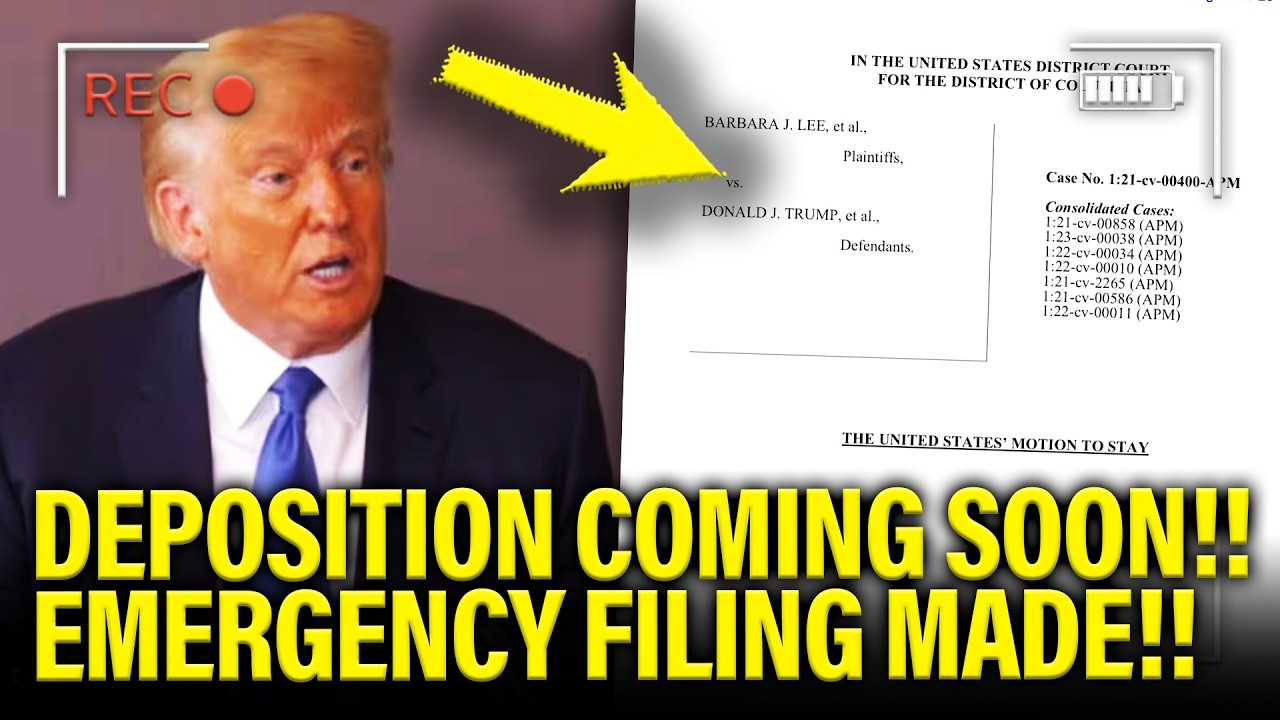
The video discusses Donald Trump's attempts to avoid a deposition in a civil case related to the January 6th insurrection. Trump is using the Department of Justice to block the deposition, claiming he is too busy as president, despite his history of frequent litigation. The speakers argue that Trump's actions during the insurrection were outside his official capacity, and therefore, he is not immune from the lawsuit. They also point out that the Supreme Court has previously ruled against similar claims of presidential immunity in civil cases.
- Trump is trying to avoid deposition using DOJ.
- Argument of presidential immunity has been previously rejected by Supreme Court.
- Trump's actions during the January 6th insurrection were outside his official capacity.
Trump's Attempt to Block Deposition
Donald Trump is attempting to block a deposition in a civil case related to his involvement in the January 6th insurrection. Despite portraying a tough image, Trump has a history of avoiding depositions, either by invoking the Fifth Amendment or dismissing cases when his deposition is sought. The case, brought by members of Congress and Capitol Police, accuses Trump of inciting the insurrection. Trump has tried to dismiss the case, claiming his actions were part of his official duties, but these attempts have been rejected by the court.
DOJ Intervention and Trump's Claims of Presidential Immunity
The Department of Justice is intervening in the case, arguing that proceeding with discovery against a sitting president would be disruptive and untenable. They claim it would burden the president and the government, requiring them to monitor and participate in discovery to ensure the case does not develop in a misleading way. However, it's argued that Trump's frequent lawsuits in his individual capacity undermine his claim of being too busy to participate in this litigation.
Legal Perspectives on Trump's Immunity Claims
Harry Litman from Talking Feds joins the discussion, asserting that Trump's immunity argument has been repeatedly rejected at all levels. Trump's claim of being burdened by discovery is seen as disingenuous, given his history as a vexacious litigant. Litman points out that a unanimous Supreme Court has already ruled against similar claims of presidential immunity in the case of Clinton v. Jones. The lawsuit against Trump is considered solid due to the clear standing of the injured parties, including members of Congress and Capitol Police officers.
Supreme Court Precedent and the Westfall Act
The Supreme Court has already decided against the idea of presidential immunity in civil cases, referencing the Clinton v. Jones case. The DOJ's attempt to invoke the Westfall Act to claim immunity for Trump is challenged, as his actions during the January 6th insurrection, such as inciting the mob, were not within his official capacity as president. The case has been ongoing for five years and is brought by individuals who were genuinely injured. Despite potential challenges in the DC Court of Appeals, the argument for immunity is unlikely to succeed due to the nature of Trump's actions and their distance from his official duties.

